
التفضيلات
خصوصيتك مهمة بالنسبة لنا، لذلك لديك خيار تعطيل أنواع معينة من التخزين التي قد لا تكون ضرورية للوظائف الأساسية للموقع. قد يؤثر حظر الفئات على تجربتك في الموقع. مزيد من المعلومات

خصوصيتك مهمة بالنسبة لنا، لذلك لديك خيار تعطيل أنواع معينة من التخزين التي قد لا تكون ضرورية للوظائف الأساسية للموقع. قد يؤثر حظر الفئات على تجربتك في الموقع. مزيد من المعلومات
اجعل متجر Payhip ومنتجاتك الرقمية مرئية لـ Google وبحث الذكاء الاصطناعي. استخدم صفحات المنتج، والمدونة المدمجة، و JSON-LD، و llms.txt حتى يستشهد ChatGPT و Perplexity و Claude و Gemini بالتنزيلات والدورات والاشتراكات لديك.
.webp)
.webp)





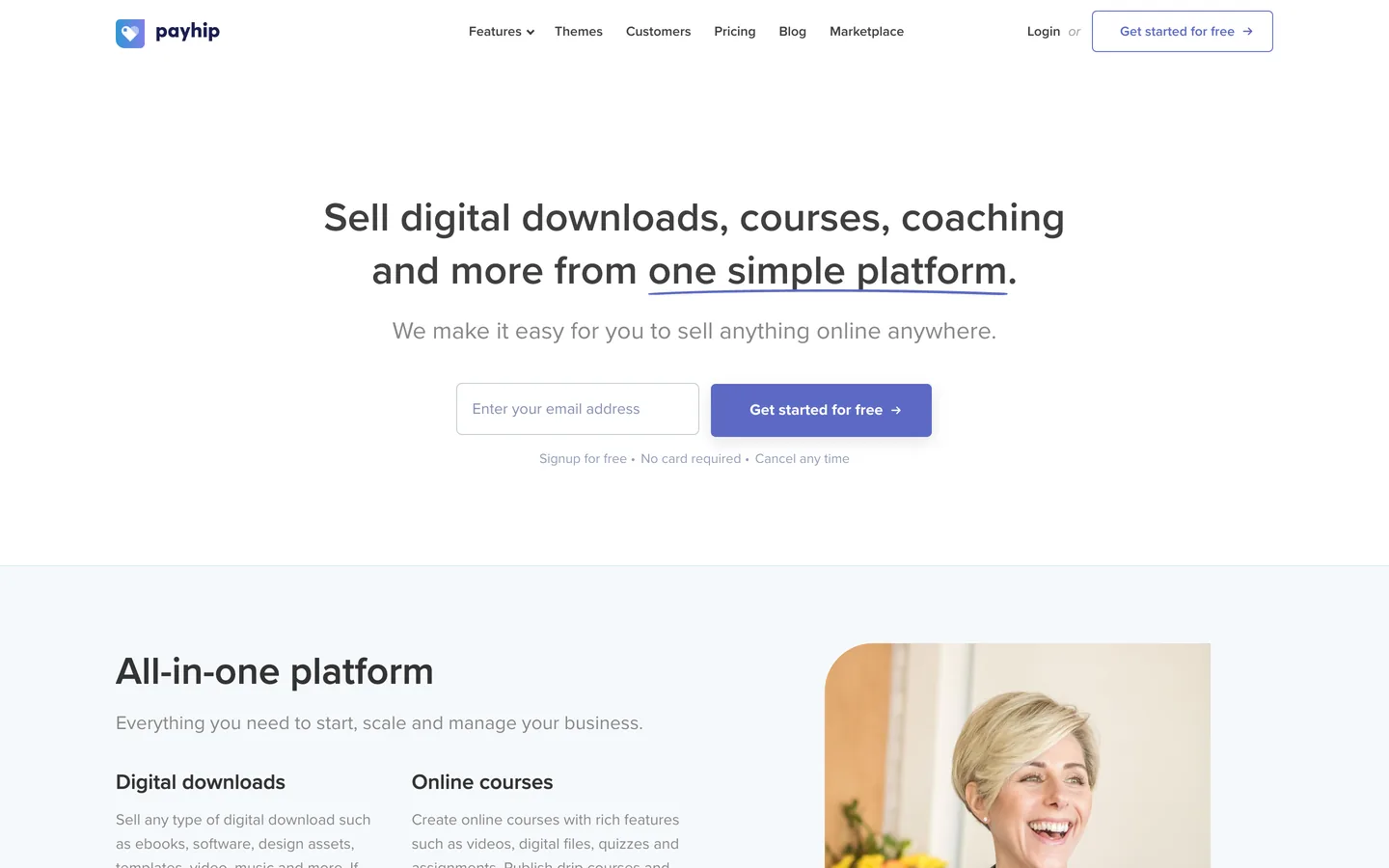



تبيع منتجات رقمية أو دورات أو اشتراكات على Payhip وتريد أن يُستشهد بصفحاتك داخل إجابات الذكاء الاصطناعي، وليس فقط ترتيبها في البحث التقليدي؟ Payhip منصة تجارة إلكترونية بسيطة للمبدعين: تستضيف صفحات المنتج وواجهة متجر ومدونة مدمجة، وتتولى عملية checkout للتنزيلات والدورات والاشتراكات. مع الإعداد الصحيح، تصبح قاعدة متينة لتحسين محركات البحث التوليدية (GEO). ابدأ بـ geo seo audit أساسي وتتبع كل تحسن في geo seo dashboard حي. يوضح هذا الدليل كيفية هيكلة وعرض ووسم Payhip بحيث يفهم Google والمساعدون مثل ChatGPT و Perplexity و Claude و Gemini متجرك ويثقون به ويستشهدون به.
لا يزال SEO التقليدي يدفع المبيعات، ويلخّص مساعدو الذكاء الاصطناعي الآن الويب ويعرضون قائمة قصيرة من المصادر المستشهد بها قبل أن يصل المشتري إلى صفحة منتج. تحسين المحركات التوليدية هو ممارسة أن تصبح أحد هذه المصادر. تناسب Payhip المبدعين لأن كل منتج ودورة واشتراك هو صفحة نظيفة مع سعر ووصف ومراجعات. عندما تقدم هذه الكيانات بوضوح، يمكن للنماذج رسم عروضك والتوصية بها عندما يطلب شخص ما كتاباً إلكترونياً أو قالباً أو دورة في مجالك.
ابدأ بمعيار. اسأل المساعدين الرائدين الأسئلة الحقيقية التي يطرحها المشترون في مجالك، ثم سجّل ما إذا كنت مستشهداً بك، وأي URLs من Payhip تظهر، وكيف يُشار إلى المنافسين. تتبع إشارات العلامة التجارية مع ai mention tracking، وراجع المصادر التي تكسبها من خلال ai cited backlinks، وشغّل geo seo audit أساسياً لرسم الكيانات المرتبطة بالفعل بمتجرك.
في GEO، تأخذ النية شكل موجهات. اجمع الصياغة التي يستخدمها المشترون في الدردشة والصوت، ثم اجمعها حسب المهمة: التعلم عن موضوع، مقارنة الخيارات، التحقق مما هو مدرج، والشراء. وسّع التغطية مع query fan-out tool وحدد أولويات الموضوعات مع keyword research. لكل مجموعة، اختر صفحة قانونية واحدة، منتج أو تدوينة، ليتم الاستشهاد بها، واجعلها موجزة وقابلة للاقتباس ومدعومة بتفاصيل واضحة حول ما يتلقاه المشتري.
تفصل Payhip بين وظيفتين: صفحات المنتج تبيع، والمدونة تشرح وتكسب الاستشهادات. أعطِ كل منتج عنواناً وصفياً، ووصفاً شاملاً يذكر التنسيق والطول والمحتويات، ومراجعات عملاء حقيقية. استخدم المدونة المدمجة للدروس والمقارنات والأسئلة الشائعة التي تقود إلى منتجاتك. حافظ على أسماء المنتجات والموضوعات متسقة بحيث تعزز كل صفحة نفس الكيانات، مما يساعد النماذج على ربط محتوى مدونتك بكتالوجك.
اربط نطاقاً مخصصاً بحيث يعيش متجرك ومدونتك على علامتك التجارية بدلاً من نطاق فرعي مشترك، مما يعزز الثقة والسلطة. صفحات Payhip خفيفة ومتجاوبة مع الجوال، مما يدعم Core Web Vitals. حافظ على H1 واضح واحد لكل صفحة، واكتب الأوصاف بجمل حقيقية بدلاً من مجرد شظايا bullet، وأضف صوراً تمثيلية حتى تُقرأ الصفحة كإجابة كاملة قابلة للاستشهاد.
لكل منتج وتدوينة، اضبط حقول SEO التي تكشفها Payhip: عنوان دقيق، ووصف meta واضح، و URL نظيف يتضمن الكيان الرئيسي. تأكد من أن صورة المشاركة الاجتماعية والعنوان يتطابقان مع قصد الصفحة والنص المرئي. حافظ على إصدار قانوني واحد من كل صفحة، وتأكد من أن السعر والتنسيق والتوفر في الوصف يتطابقون مع ما يعرضه checkout.
استخدم إعدادات Payhip التي تسمح بكود مخصص أو snippets للتتبع لإضافة JSON-LD في head. استخدم Product مع offers و AggregateRating في صفحات المنتج، و Article بالإضافة إلى WebPage و BreadcrumbList لتدوينات المدونة، و FAQPage لكتل الأسئلة، و HowTo للدروس. أضف Organization schema على مستوى الموقع مع logo و contactPoint و foundingDate و sameAs لملفاتك التعريفية المعتمدة. تحقق من صحة كل كتلة بحيث يقرأ المساعدون رسماً بيانياً للكيانات نظيفاً لمتجرك.
أنشئ كتل أسئلة وأجوبة صريحة تعكس الموجهات الحقيقية حول التنسيقات والترخيص والإرجاع والوصول. حافظ على كل إجابة بين 50 و 120 كلمة، اربط URL المنتج أو المدونة ذي الصلة، واستشهد بمصدر واحد موثوق حيثما كان ذلك مفيداً. للإعداد أو الاستخدام، اذكر المتطلبات والخطوات المرتبة والوقت المطلوب بتنسيق HowTo. هذه الكتل المدمجة هي بالضبط ما يرفعه المساعدون إلى ملخصاتهم.
قدم sitemap متجرك في Google Search Console حتى يتم اكتشاف المنتجات والتدوينات بسرعة. اسمح بالدلائل التي تحتوي على محتوى قابل للاستشهاد وأبق الضجيج خارج الفهرس. على نطاقك المخصص المتصل، أضف ملف llms.txt في الجذر للإشارة إلى قواعد الزحف المفضلة لوكلاء الذكاء الاصطناعي، و URLs ذات الأولوية للاستشهاد بها، وشروط إعادة استخدامك، بحيث يعرف المساعدون أي الصفحات تمثل منتجاتك وأدلتك.
ابنِ محاور موضوعات تجمّع المنتجات والتدوينات ذات الصلة، ثم اربط مقالات المدونة بالمنتجات التي تدعمها بمرابط وصفية، مسرّعة مع topical cluster generator. يساعد التنقل الواضح و breadcrumbs كلاً من المتسوقين والزواحف في فهم كتالوجك. إذا كانت أجزاء أخرى من مجموعتك تعمل في مكان آخر، طبّق نفس المبادئ على big cartel و shopify و wordpress.
لا يزال GEO يعمل على السلطة. اكسب استشهادات من منشورات موثوقة ومجتمعات مبدعين ومواقع مراجعة في مجالك. انشر تحت اسمك الحقيقي، وأظهر أوراق اعتمادك وملفك المهني، وحافظ على صفحة About تعزز E-E-A-T. تتبع التقدم مع domain authority tracker وادرس من يستشهد بهم المساعدون اليوم مع seo competitor spy.
يعرض Payhip API عاماً، لكنه يغطي فقط القسائم والتراخيص، لذلك لا يوجد endpoint لدفع المقالات إلى المدونة المدمجة. لذلك تنشر Sorank وتستضيف مقالات SEO الخاصة بك على مدونة يديرها Sorank (نطاق فرعي أو مجلد فرعي خاص بك) تربطها من متجر Payhip، مع ربط داخلي كامل. تحصل على مدونة مؤتمتة بالكامل وقابلة للفهرسة دون مقاومة قيود Payhip، ولا تزال تستطيع الاحتفاظ بالمدونة المدمجة للتدوينات العرضية. أنتج مسودات محسّنة بسرعة مع blog article generator، واربط كل مقال بصفحات المنتج المطابقة بحيث تتدفق السلطة إلى كتالوجك.
تتبع أي الموجهات تشغّل علامتك، وأي الصفحات مستشهد بها، وأين يفوز المنافسون. راقب ترتيبك على geo leaderboard، وانسب التحويلات من المساعدين مع روابط موسومة و UTMs فريدة. اربط الزيارات المدفوعة بالذكاء الاصطناعي بمبيعات حقيقية، ثم حدد أولوية المنتجات والمقالات التي تكسب استشهادات وإيرادات.
تمنحك Payhip صفحات منتج بسيطة وواجهة متجر ومدونة؛ يمنحك GEO الاستراتيجية. عندما يكشف متجرك عن كيانات واضحة وبيانات وصفية دقيقة وتفاصيل موثوقة حول ما يتلقاه المشترون، يستشهد بك المساعدون بثقة. اكتب أوصاف منتج شاملة، ومحتوى مدونة مهيكل، و Product و Organization JSON-LD وإجابات قابلة للاستشهاد، ثم دع Sorank يقود عمليات التدقيق والمدونة المستضافة والروابط.

يمكن أن تعمل Payhip بشكل جيد لـ GEO لأن كل منتج ودورة واشتراك هو صفحة نظيفة وخفيفة مع سعر ووصف ومراجعات، وتتضمن مدونة مدمجة. تحدد عناوين دقيقة و meta descriptions و URLs نظيفة، وتربط نطاقاً مخصصاً لسلطة أقوى، وتضيف JSON-LD من خلال كود مخصص حيثما تسمح الإعدادات، بما في ذلك Product مع offers و AggregateRating. انشر تدوينات مدونة answer-first، وقدم sitemap لديك، وأضف ملف llms.txt على نطاقك حتى يتمكن المساعدون مثل ChatGPT و Perplexity و Claude و Gemini من الوصول إلى منتجاتك وأدلتك والاستشهاد بها. الأوصاف الشاملة التي تذكر التنسيقات والمحتويات تساعد النماذج على التوصية بعروضك.
اكتب محتوى answer-first مرسوماً للموجهات الحقيقية. افتح كل تدوينة ووصف منتج بملخص من جملتين، ثم مخطط قابل للمسح للتنسيق والمحتويات والفوائد، وحافظ على الفقرات أقل من 120 كلمة. استخدم تسلسل عناوين صارماً، وكتل FAQ صريحة مع إجابات من 50 إلى 120 كلمة حول التنسيقات والتراخيص والإرجاع، وقسم حقائق واضح. أضف JSON-LD (Product و Article و FAQPage و HowTo و Organization) من خلال كود Payhip المخصص حيثما كان متاحاً. اربط مقالات المدونة بالمنتجات التي تدعمها بمرابط وصفية، وجمّعها في محاور موضوعات حتى تتعرف النماذج على العمق الموضوعي والكيانات المتسقة.
يعرض Payhip API عاماً، لكنه يغطي فقط القسائم والتراخيص، لذلك لا يوجد endpoint لدفع المقالات إلى المدونة المدمجة. لذلك تستخدم Sorank مدونتها المستضافة ذاتياً: تنشر وتستضيف مقالات SEO الخاصة بك على مدونة يديرها Sorank (نطاق فرعي أو مجلد فرعي خاص بك) تربطها من متجرك، مع ربط داخلي كامل إلى كتالوجك. تحصل على مدونة مؤتمتة بالكامل وقابلة للفهرسة دون مقاومة قيود Payhip، ولا تزال تستطيع استخدام المدونة المدمجة للتدوينات العرضية. بعيداً عن النشر، تدير Sorank عمليات تدقيق GEO و SEO مخصصة لمتجرك، وتتبع إشارات الذكاء الاصطناعي عبر ChatGPT و Perplexity و Gemini، وتراقب المنافسين، وتقترح تحسينات محتوى من لوحة تحكم واحدة.








.svg)
.svg)