
التفضيلات
خصوصيتك مهمة بالنسبة لنا، لذلك لديك خيار تعطيل أنواع معينة من التخزين التي قد لا تكون ضرورية للوظائف الأساسية للموقع. قد يؤثر حظر الفئات على تجربتك في الموقع. مزيد من المعلومات

خصوصيتك مهمة بالنسبة لنا، لذلك لديك خيار تعطيل أنواع معينة من التخزين التي قد لا تكون ضرورية للوظائف الأساسية للموقع. قد يؤثر حظر الفئات على تجربتك في الموقع. مزيد من المعلومات
اجعل محتواك في Agility CMS مرئياً لـ Google والبحث بالذكاء الاصطناعي. صمّم content definitions، واعرض حقولاً نظيفة عبر Fetch و Content Management APIs، وأضف JSON-LD و llms.txt حتى تستشهد ChatGPT و Perplexity و Claude و Gemini بالصفحات التي يعرضها frontend الخاص بك.
.webp)
.webp)





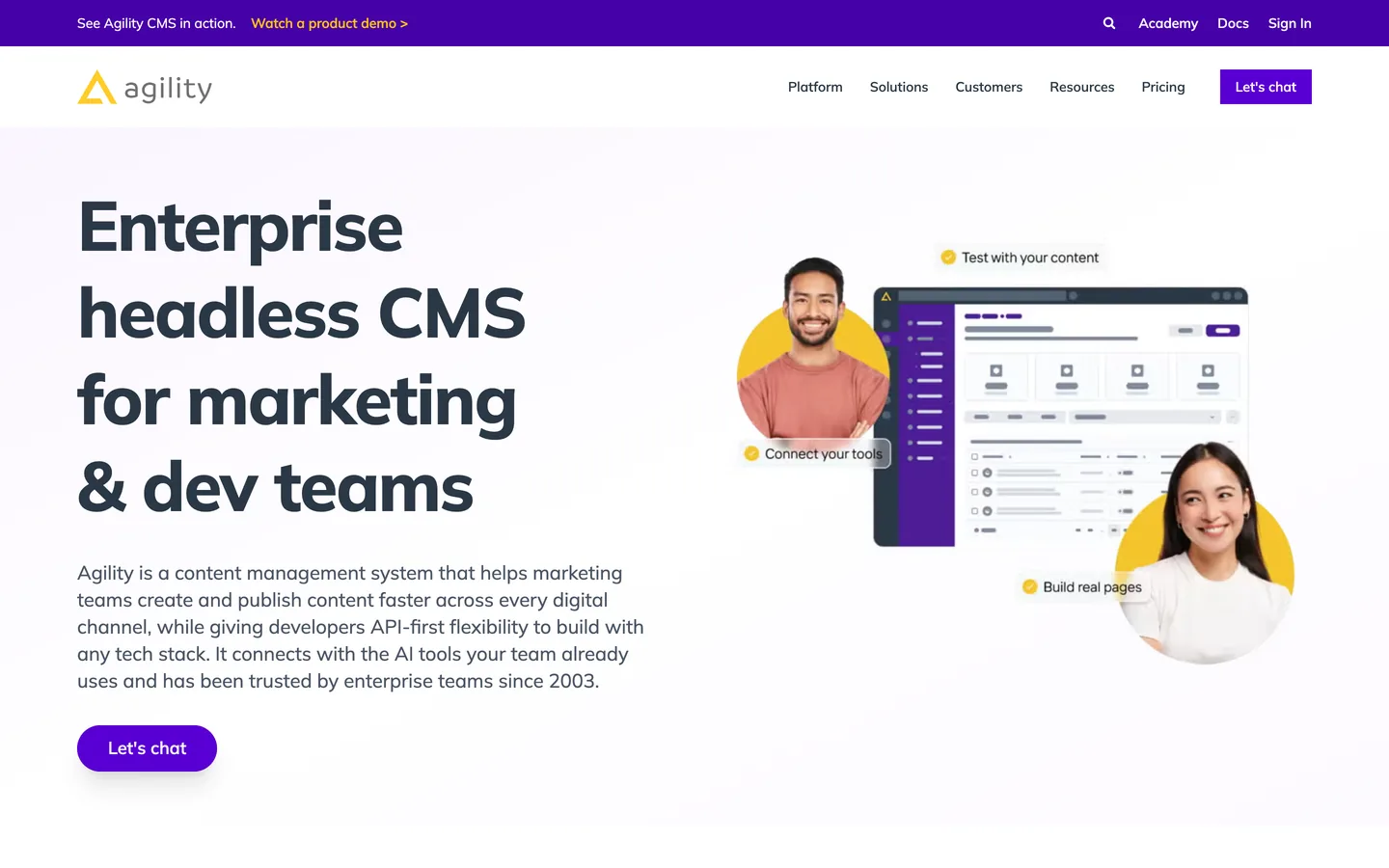



هل تريد أن يظهر المحتوى الذي تديره في Agility CMS داخل إجابات الذكاء الاصطناعي وليس فقط في نتائج البحث الكلاسيكية؟ Agility CMS هو headless CMS API-first يجمع بين المحتوى المنظم وإدارة الصفحات الاختيارية: تحدد content models و containers، وتملأها بإدخالات، وتقدم كل شيء عبر Fetch API سريع و Sync SDK لأي frontend. هذا التصميم المفكّك والمتمركز حول المحتوى هو أساس قوي لـ generative engine optimization (GEO). ابدأ بـ geo seo audit أساسي وتتبع كل مكسب في geo seo dashboard حي. يوضح هذا الدليل كيفية نمذجة محتوى Agility CMS وعرضه وتعليقه بحيث تفهمه Google والمساعدون مثل ChatGPT و Perplexity و Claude و Gemini، ويثقون به، ويستشهدون بصفحاتك.
لا يزال SEO الكلاسيكي يجلب حركة المرور، والآن يلخص المساعدون الويب ويعرضون قائمة قصيرة من المصادر المستشهد بها. Generative Engine Optimization هو ممارسة أن تصبح أحد تلك المصادر. يساعد Agility CMS لأن المحتوى يعيش كإدخالات منظمة داخل content definitions، مفصولاً عن العرض، وطبقة إدارة الصفحات لديه تربط الإدخالات بعناوين URL حقيقية. توجد المقالة الواحدة مرة واحدة وتغذي أسطح الويب والتطبيق والمساعد، لذا عندما يعرض ال-frontend لديك HTML نظيفاً، تربط النماذج موضوعاتك ومنتجاتك وخبراتك بثقة.
ابدأ بمعيار. اسأل المساعدين الرائدين الأسئلة الحقيقية التي يطرحها جمهورك، ثم سجل ما إذا كنت مستشهداً بك، وأي عناوين URL تظهر، وكيف يُعرض المنافسون. تابع استشهادات العلامة التجارية عبر ai mention tracking، وادرس الإحالات التي تكسبها عبر ai cited backlinks، ونفذ geo seo audit أساسياً لرسم الكيانات المرتبطة بالفعل بعلامتك التجارية.
في GEO، تصل نية المستخدم كـ prompts. اجمع الصياغة الدقيقة التي يستخدمها الناس في الدردشة والصوت والوكلاء، ثم اجمعها حسب المهمة: تعلم، قارن، طبق، وحل. وسّع التغطية باستخدام query fan-out tool ورتّب الموضوعات بالأولوية عبر keyword research. لكل مجموعة، اختر صفحة قانونية واحدة لتكون مستشهداً بها، واجعلها موجزة، قابلة للاقتباس، ومدعومة بأدلة صريحة.
تعامل مع content definitions في Agility باعتبارها العمود الفقري للكيانات. أنشئ definitions لـ Articles و Guides و Products و FAQs و Authors و Glossary، وخزّن الإدخالات في containers، وأعطِ كلاً منها حقولاً مكتوبة: title و slug و summary و rich text body و image و published date و author link و tags. اربط تلك الحقول بخصائص schema.org مثل name و description و image و datePublished و author و sameAs. تربط حقول linked content مقالة بمؤلفها وموضوعها، مما يحافظ على اتساق كياناتك عبر كل صفحة وقناة.
يقدم Agility المحتوى عبر Fetch API؛ ال-frontend لديك يعرضه. استخدم server-side rendering أو static generation مع framework مثل Next.js أو Nuxt أو Astro، بحيث تعيد الصفحات التي تريد الاستشهاد بها HTML كاملاً في الطلب الأول، دون client-side hydration. اسحب الإدخالات عبر ال-API، واعرض titles و headings و body في ترميز دلالي، وتأكد أن النص الكامل يظهر في المصدر الخام للصفحة. تتيح لك إدارة الصفحات في Agility إسناد URL نظيف وقابل للتوجيه لكل إدخال.
يتضمن Agility حقول SEO على الصفحات لـ title و meta description و canonical URL، بالإضافة إلى إعدادات open graph؛ املأها واعرضها في head ال-frontend لديك. حافظ على URLs نظيفة وحاملة للكلمات المفتاحية عبر هرمية الصفحات لديك. طبق قواعد meta robots لإبقاء الصفحات الرقيقة أو المكررة خارج الفهرس، وتأكد من أن علامات Open Graph و Twitter تطابق نية الصفحة والنسخة الرئيسية. لأن القيم تعيش في محتوى منظم، تظل متسقة عبر عمليات البناء.
ولّد JSON-LD في ال-frontend لديك من حقول Agility. استخدم Article مع WebPage و BreadcrumbList لصفحات المحتوى، و Product مع offers لصفحات المنتج، و HowTo للدروس التعليمية، و FAQPage لكتل الأسئلة. أضف كتلة Organization على مستوى الموقع مع logo و contactPoint و foundingDate وروابط sameAs لملفاتك الشخصية الموثقة. بما أن البيانات تأتي مباشرة من حقول مكتوبة، تظل بياناتك المنظمة دقيقة وكاملة في كل صفحة.
افتح كل مقالة بملخص من جملتين يحل الاستعلام، ثم وسّع بمخطط قابل للمسح. أضف كتل سؤال وجواب صريحة تعكس prompts حقيقية، واحتفظ بكل إجابة بين 50 و 120 كلمة. للإجراءات، اذكر materials و steps و time بتنسيق HowTo. سرّع إنتاج هذه المسودات القابلة للاقتباس عبر blog article generator، ثم صقل كل إدخال في محرر Agility.
ولّد sitemap.xml من هرمية صفحاتك وقدّمه في Google Search Console. في robots.txt، اسمح بالمسارات التي تحتوي على محتوى قابل للاقتباس ومنع الضوضاء. أضف ملف llms.txt في الجذر للإشارة إلى قواعد الزحف المفضلة لوكلاء الذكاء الاصطناعي، وعناوين URL ذات الأولوية التي تريد الاستشهاد بها، وشروط إعادة الاستخدام. لأن Agility يعرض content API وبيانات sitemap، يمكنك بناء هذه الملفات تلقائياً من نفس المصدر الذي يشغل صفحاتك.
ابنِ hubs موضوعية تجمع الصفحات ذات الصلة وتحدد إجاباتك القانونية. استخدم breadcrumbs للتعبير عن التسلسل الهرمي، والذي تدعمه شجرة صفحات Agility بشكل طبيعي، وأضف روابط سياقية داخل النص بروابط anchors وصفية، مسرّعة عبر topical cluster generator. إذا كانت أجزاء أخرى من ال-stack تعمل في مكان آخر، طبّق نفس المبادئ على أقرباء headless مثل contentful و contentstack و kontent.ai.
لا يزال GEO يعتمد على السلطة. اكسب استشهادات من منشورات موثوقة، وأبحاث أصلية، والمجتمعات التي يثق بها جمهورك. انشر تحت مؤلفين معروفين بأسمائهم مع سير ذاتية حقيقية مخزنة كـ definition من Authors، أظهر المؤهلات، واحتفظ بصفحة About توضح من أنت ولماذا أنت موثوق، مما يعزز E-E-A-T. تتبع التقدم عبر domain authority tracker وادرس تغطية المنافسين عبر seo competitor spy.
يعرض Agility CMS Content Management API ينشئ إدخالات محتوى، لذا يتصل Sorank عبر جسر webhook من Make.com: كل مقالة يولّدها Sorank تُرسل إلى سيناريو Make.com، وينشرها Make إلى Agility باستخدام وحدة HTTP عامة مقابل Content Management API لـ content definition المستهدف لديك. لا يوجد تطبيق Make.com مخصص، لذا تحقق من استدعاء إنشاء المحتوى الدقيق على مثيلك الحي قبل الوعد بإعداد جاهز، وارجع إلى مدونة Sorank المستضافة ذاتياً إذا كانت التهيئة لديك تقيد ذلك. أنتج مسودات محسّنة بسرعة عبر blog article generator.
تتبع أي prompts تشغل علامتك التجارية، وأي الصفحات يُستشهد بها، وأين يفوز المنافسون بالإجابة. قارن المواقع عبر keyword research، وراقب مكانتك على geo leaderboard، وانسب التحويلات من المساعدين عبر صفحات هبوط موسومة و UTMs فريدة.
يمنحك Agility CMS محتوى منظماً، API-first مع إدارة صفحات مدمجة؛ ويعطيك GEO الاستراتيجية للاستشهاد بك. عندما تحمل content definitions لديك حقولاً مكتوبة، ويصدر ال-frontend لديك HTML كاملاً، وتحمل صفحاتك JSON-LD وإجابات قابلة للاقتباس، يقتبس منك المساعدون بثقة. انمذج definitions نظيفة، واعرض server-side، وأضف JSON-LD، وانشر عبر ال-API، ثم دع Sorank يقود audits والمحتوى والروابط.

يعمل Agility CMS جيداً لـ GEO لأنه headless CMS API-first مع إدارة صفحات مدمجة: يعيش المحتوى كإدخالات منظمة داخل content definitions ويُقدَّم عبر Fetch API سريع لأي frontend، بينما تربط إدارة الصفحات الإدخالات بعناوين URL حقيقية. اعرض ذلك المحتوى server-side أو كصفحات ثابتة باستخدام framework مثل Next.js بحيث يعيد HTML كاملاً للزواحف في الطلب الأول. اربط الحقول بخصائص schema.org، وولّد JSON-LD منها، واستخدم linked content لربط المقالات والمؤلفين والموضوعات. املأ حقول SEO المدمجة، وولّد sitemap، وأضف ملف llms.txt بحيث يستطيع المساعدون مثل ChatGPT و Perplexity و Claude و Gemini الوصول والاستشهاد بصفحاتك.
اكتب محتوى answer-first مربوطاً بـ prompts حقيقية. افتح كل إدخال بملخص من جملتين، ثم مخطط قابل للمسح، واحتفظ بالفقرات تحت 120 كلمة. استخدم تسلسلاً هرمياً صارماً للعناوين، وكتل FAQ صريحة بإجابات من 50 إلى 120 كلمة، وقسم facts واضح. اربط كل ادعاء بمصدر وولّد JSON-LD (Article و FAQPage و HowTo و Organization) من حقول Agility في ال-frontend. املأ حقول SEO في كل صفحة، وابنِ hubs تربط الإدخالات ذات الصلة بروابط anchors وصفية، وانمذج linked content بين definitions، مما يشير إلى العمق الموضوعي الذي تعترف به النماذج كسلطوي وتقتبسه.
يعرض Agility CMS Content Management API ينشئ إدخالات محتوى، لذا يتصل Sorank عبر جسر webhook من Make.com بدلاً من موصل native. كل مقالة يولّدها Sorank تُرسل إلى سيناريو Make.com، وينشرها Make إلى Agility بوحدة HTTP عامة مقابل Content Management API لـ content definition المستهدف لديك. لا يوجد تطبيق Make.com مخصص، لذا تحقق من استدعاء إنشاء المحتوى الدقيق على مثيلك الحي أولاً، وارجع إلى مدونة Sorank المستضافة ذاتياً إذا كانت التهيئة لديك تقيد ذلك. بعد النشر، يجري Sorank عمليات GEO و SEO audits مخصصة لموقعك، ويتتبع إشارات الذكاء الاصطناعي عبر ChatGPT و Perplexity و Gemini، ويراقب المنافسين، ويقترح تحسينات محتوى من dashboard واحد.








.svg)
.svg)