
העדפות
הפרטיות חשובה לנו, ולכן יש לך אפשרות להשבית סוגים מסוימים של אחסון שייתכן שאינם נחוצים לתפקוד הבסיסי של האתר. חסימת קטגוריות עלולה להשפיע על חווית השימוש שלך באתר. מידע נוסף

הפרטיות חשובה לנו, ולכן יש לך אפשרות להשבית סוגים מסוימים של אחסון שייתכן שאינם נחוצים לתפקוד הבסיסי של האתר. חסימת קטגוריות עלולה להשפיע על חווית השימוש שלך באתר. מידע נוסף
למד כיצד נפח חיפוש של מילות מפתח מעצב את אסטרטגיית ה-SEO שלך ב-2026. שלוט בניתוח, בכלים ובשיטות עבודה מומלצות כדי למקד את השאילתות הנכונות.

תקציר: נפח חיפוש של מילות מפתח מודד את ממוצע החיפושים החודשיים שמקבל מונח; כ-95% מכלל השאילתות מקבלות 10 חיפושים או פחות בחודש, מה שהופך ניתוח נפח חכם לחיוני.
Google מעבדת מדי יום הערכה של 8.5 עד 14 מיליארד חיפושים, אך הרוב המכריע של השאילתות הבודדות בקושי מקבל קומץ חיפושים בחודש. עבור משווקים ובעלי אתרים, הבנת נפח חיפוש של מילות מפתח היא ההבדל בין השקעת משאבים בנושאים בעלי פוטנציאל גבוה לבין מרדף אחר מונחים שלעולם לא יזיזו את המחט.
במקביל, נוף החיפוש משתנה. עוזרי AI, תוצאות ללא קליק ותכונות SERP מתפתחות כותבים מחדש את הכללים לאופן שבו נתוני נפח צריכים להנחות החלטות תוכן. מאמר זה סוקר מה נפח החיפוש באמת מודד, מדוע המספרים מכלים שונים כמעט אף פעם לא תואמים, וכיצד לבנות תהליך עבודה לניתוח נפח שמספק תוצאות ב-2026.
נפח חיפוש מייצג את מספר הפעמים הממוצע שמילת מפתח נתונה נשאלת במנוע חיפוש מסוים על פני תקופה מוגדרת, בדרך כלל מבוטא כממוצע חודשי. רוב פלטפורמות ה-SEO מחשבות נתון זה באמצעות ממוצע נע של 12 חודשים, מחליקות שיאים ושפלים עונתיים כדי להפיק מספר יחיד וברך להשוואה.
חשוב להכיר במה שמדד זה אינו לוכד. נפח סופר שאילתות, לא משתמשים ייחודיים. אדם יחיד שמחפש את אותו ביטוי חמש פעמים בחודש תורם חמש לספירה הזו. נפח גם אינו כולל חיפושים שמבוצעים בעוזרי AI ובצ'אטבוטים. נתוני נפח החיפוש בכלים כמו Google Keyword Planner, Semrush, Ahrefs וכל שאר כלי מילות המפתח משקפים שאילתות שהוזנו במנועי חיפוש מסורתיים, בעיקר Google.
הבחנה זו חשובה יותר בכל רבעון. נתונים עדכניים מצביעים על כך שעוזרי AI מייצרים כ-45 מיליארד הפעלות חודשיות ברחבי העולם, נתון המייצג כ-56% מנפח מנועי החיפוש המסורתיים; ChatGPT לבדו עיבד 2.5 מיליארד פקודות ביום נכון ליולי 2025. אם האסטרטגיה שלך מסתמכת אך ורק על מספרי נפח מסורתיים, ייתכן שאתה רואה רק חלק מתמונת הביקוש.
אחת המציאויות הכי לא אינטואיטיביות ב-SEO היא הריכוז הקיצוני של ביקוש החיפוש. כ-95% מכלל שאילתות החיפוש הן מילות מפתח של זנב ארוך שמקבלות 10 חיפושים או פחות בחודש, לפי Ahrefs. רק 0.16% מהמילים, מונחי הראש בעלי הנפח הגבוה ביותר, אחראים ל-60% מסך ביקוש החיפוש.
להתפלגות הזו יש השלכה אסטרטגית ישירה. תחרות על אותו אשכול קטן של מונחי ראש משמעה התמודדות עם תחרות מקסימלית על פלח צר של האינדקס. לעומת זאת, הזנב הארוך העצום, אף שהוא צנוע בנפרד, מצטבר לתעבורה משמעותית כאשר ממקדים אותו באופן שיטתי. מילות מפתח של זנב ארוך מספקות שיעורי המרה גבוהים פי 2.5 בערך בהשוואה למונחי זנב קצר. כוונה גבוהה זו הופכת שאילתות בעלות נפח נמוך לבעלות ערך לא פרופורציונלי עבור עסקים המחפשים המרות, לא רק חשיפות.
עבור צוותים שמנהלים עשרות עמודים, פלטפורמות כמו מחולל המאמרים שלנו מבוסס ה-AI מאפשרות לכסות אשכולות זנב ארוך בקנה מידה בלי להכפיל מאמץ ידני.
Google Keyword Planner נותר המקור המקורי להערכות נפח. הוא נשען על נתוני שאילתות מצד ראשון מ-Google, אך מציג תוצאות בטווחים רחבים (כגון 100 עד 1,000 או 10,000 עד 100,000) אלא אם המשתמש מריץ קמפיינים פעילים של פרסום. פלטפורמות SEO של צד שלישי מעדנות טווחים אלה באמצעות אלגוריתמים קנייניים, פאנלים של clickstream ושותפויות API.
מכיוון שכל ספק מיישם מתודולוגיה שונה, אותה מילת מפתח יכולה להציג נפחים שונים באופן ניכר בין הכלים. Ahrefs, למשל, נשענת רבות על נתוני clickstream ועל תשתית הזחילה שלה עצמה, בעוד Semrush משלבת את טווחי Keyword Planner עם מודלי התעבורה הקנייניים שלה. אף אחד מהם אינו טועה; הם מודדים אותות מעט שונים. המסקנה המעשית היא לבחור כלי אחד כהפניה העיקרית שלך לעקביות, ולהתייחס למספרים המתקבלים כהערכות כיווניות ולא כספירות מדויקות.
אפילו בתוך פלטפורמה אחת, נתוני נפח יכולים להשתנות בעת רענון. חישובים מחדש עונתיים, עדכוני אלגוריתם למודל ההערכה, ושינויים במדגם ה-clickstream כולם תורמים. השווה מגמות על פני רבעונים במקום להיות אובססיבי לתנודות מחודש לחודש במילת מפתח אחת.
נתוני נפח חיפוש מסורתיים נהגו עבור עולם שבו כל שאילתה הובילה לקליק. העולם הזה נסוג. בארבעת החודשים הראשונים של 2026, 68.01% מחיפושי Google בארה"ב הסתיימו ללא קליק, עלייה מ-60.45% ב-2024. Gartner חזתה שנפח מנועי החיפוש יירד ב-25% עד 2026 בגלל AI גנרטיבי.
AI Overviews הם מניע מרכזי בשינוי הזה. כאשר AI Overview מופיע ב-SERP, התוצאה האורגנית במקום הראשון מאבדת כ-58% מהקליקים שלה. תכונות אלה נוטות לצוץ בשאילתות מידעיות בעלות קושי נמוך, מה שאומר שפלחי מילות המפתח המדויקים שבהם נפח תורגם היסטורית לתעבורה קלה הם אלה הנמצאים בסיכון הגבוה ביותר.
זה לא הופך נתוני נפח למיושנים; זה הופך ניתוח הקשרי לחיוני. מילת מפתח בנפח 5,000 שמפעילה באופן עקבי AI Overview עשויה לספק פחות ביקורים אמיתיים ממילת מפתח בנפח 1,200 ב-SERP נקי. התחשבות בשיעור הקלקה, תכונות SERP ושכיחות AI Overview לצד נפח גולמי מפיקה תחזית תעבורה מדויקת הרבה יותר.
לנראות מעבר לחיפוש מסורתי, אנו מציעים את מעקב האזכורים ב-AI שלנו כדי לנטר כיצד המותג שלך מופיע ב-ChatGPT, Perplexity, Claude, Gemini ו-Grok, ומכסה את השאילתות שכלי הנפח המסורתיים אינם יכולים לראות.
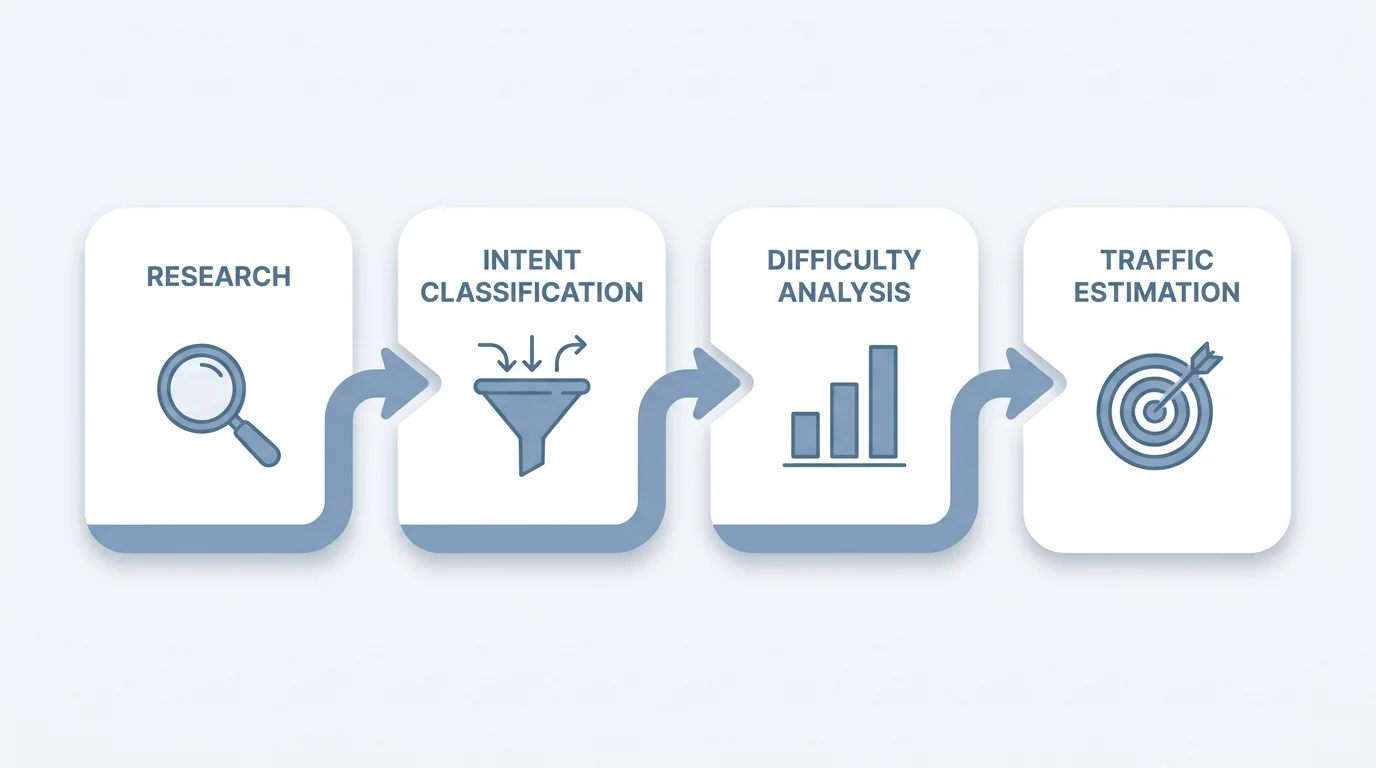
ניתוח נפח אפקטיבי אינו חיפוש בודד; הוא תהליך עבודה שניתן לחזור עליו. הצעדים הבאים מספקים מסגרת המתאימה הן למתרגלים בודדים והן לצוותי שוק בינוני.
התחל עם רשימת זרעים של מונחים שמשקפים את הנושאים המרכזיים שלך. הרחב אותה באמצעות נתוני השלמה אוטומטית, תיבות "אנשים גם שואלים" ודוחות מילות מפתח קשורות. כ-91.8% מכלל שאילתות החיפוש מכילות מילות מפתח של זנב ארוך, אז פרוס רשת רחבה בשלב זה כדי ללכוד את הווריאציות שהקהל שלך באמת מקליד.
קבץ מילות מפתח לפי כוונת חיפוש: מידעית, ניווטית, מסחרית או טרנזקציונלית. נפח לבדו אינו חושף אם מחפש רוצה ללמוד, להשוות או לקנות. מילת מפתח מידעית בנפח 10,000 משרתת שלב משפך שונה ממילת מפתח טרנזקציונלית בנפח 500. תעדף בהתבסס על מטרות העסק שלך, לא על מספרים גולמיים.
לאחר מיון לפי כוונה, הוסף ציוני קושי מילת מפתח ובדוק אילו תכונות SERP מופיעות עבור כל מונח. AI Overviews מופיעים בתדירות הגבוהה ביותר בשאילתות בעלות נפח נמוך, וכמעט 80% ממילות המפתח שמפעילות אותם נופלות בטווח קושי מילת המפתח של 0% עד 40%. אם היעד שלך נופל באזור הזה, הערך אם הזדמנות התעבורה מצדיקה את המאמץ בהינתן דחיסת הקליקים הסבירה.
הכפל נפח ב-CTR הצפוי עבור המיקום שאתה יכול להשיג באופן ריאלי. התוצאה האורגנית במקום הראשון מרוויחה שיעור הקלקה ממוצע של 27.6%, ושלוש התוצאות המובילות לוכדות 54.4% מכלל הקליקים. התאם כלפי מטה עבור SERP-ים עם AI Overviews או מספר משבצות פרסום.
נפח גבוה מפתה, אך הוא אינו נרדף לערך גבוה. 70% מכלל הקליקים הולכים לחמש התוצאות האורגניות הראשונות. אם מילת מפתח נושאת נפח עצום אבל אתה לא יכול באופן ריאלי להגיע לעמוד הראשון, הערך העסקי של אותו מונח עבור האתר שלך מתקרב לאפס.
עדשה פרודוקטיבית יותר היא ערך תעבורה: העלות המשוערת של התעבורה האורגנית שמילת מפתח יכולה לספק אם הייתה נרכשת דרך חיפוש בתשלום. מילת מפתח בעלת נפח נמוך עם עלות גבוהה לקליק מאותתת לעיתים קרובות על כוונה מסחרית חזקה ונכונות להמיר. מונחים אלה אולי לא ירשימו בגיליון אלקטרוני ממוין לפי נפח, אך הם באופן שגרתי עולים בביצועים על מונחי ראש ברמת יוקרה מבחינת השפעה על הכנסות.
61% ממשווקי B2B מסכימים ש-SEO ותעבורה אורגנית מביאים יותר לידים מגישות שיווק אחרות. עבור חברות B2B במיוחד, מיקוד מילות מפתח בעלות נפח מתון וכוונה גבוהה הוא המקום שבו חיפוש אורגני מרוויח את התשואה שלו.
מדי יום, 15% מחיפושי Google הם חדשים לחלוטין, מה שאומר שנוף מילות המפתח לעולם אינו סטטי. ניטור האופן שבו נפח מתפתח עבור המונחים המרכזיים שלך עוזר לך לזהות ביקוש עולה לפני שמתחרים עושים זאת ולצאת מנושאים בירידה לפני שמאמץ מבוזבז מצטבר.
דפוסים עונתיים ראויים לתשומת לב מיוחדת. מילת מפתח שממוצעת 2,000 חיפושים בחודש עשויה להגיע לשיא של 8,000 בנובמבר ולרדת ל-400 בפברואר. תכנון תוכן סביב המחזורים האלה, פרסום הרבה לפני שיא העונה, ממקסם את חלון הזמן שבו העמודים שלך מאונדקסים ומדורגים.
שוק ה-SEO הגלובלי צפוי לצמוח ב-CAGR של 8.3% מ-2024 עד 2030, לפי הסטטיסטיקות שאספה WordStream, מה שמדגיש שלמרות שיבוש ה-AI, ההשקעה באופטימיזציית חיפוש ממשיכה לעלות. הקדמת מגמות נפח היא חלק מרכזי בלכידת הצמיחה הזו.
עם כלי ביקורת ה-GEO וה-SEO שלנו, אתה יכול לחבר נתוני Google Search Console כדי לנטר חשיפות, קליקים ושינויי מיקום לצד הערכות נפח, ולשמור את הניתוח שלך מעוגן בביצועים אמיתיים.
אפילו מתרגלים מנוסים נופלים במלכודות הקשורות לנפח. הנה הטעויות התכופות ביותר וכיצד להימנע מהן.
התייחסות לנפח כתעבורה. נפח הוא ביקוש; תעבורה היא התוצאה של דירוג עבור אותו ביקוש. כש-68.01% מחיפושי ארה"ב מסתיימים ללא קליק נכון לתחילת 2026, הפער בין נפח לביקורים בפועל באתר מעולם לא היה רחב יותר.
התעלמות מקיבוץ מילות מפתח. נושא יחיד יכול להיות מחופש בעשרות ניסוחים. מיקוד כל וריאציה עם עמוד נפרד מוביל לקניבליזציה. קבץ מונחים דומים סמנטית ואחד אותם תחת עמוד סמכותי אחד.
מרדף אחר מונחים בעלי נפח גבוה בלבד. ל-94.74% ממילות המפתח יש נפחי חיפוש חודשיים של 10 או פחות, ורק 0.0008% עולים על 100,000 חיפושים חודשיים. אם כל האסטרטגיה שלך סובבת סביב החלק הזעיר בראש, אתה מזניח את הזנב הארוך העצום שבו התחרות נמוכה יותר והכוונה חדה יותר.
שימוש בנפח מהגאוגרפיה הלא נכונה. נפח גלובלי ונפח מקומי יכולים להתפצל באופן דרמטי. תמיד התאם את ההיקף הגאוגרפי לשוק היעד האמיתי שלך.
המדד עצמו ישרוד, אך האופן שבו מקצוענים מפרשים אותו מתפתח במהירות. לפי סקר עדכני, 86% ממומחי ה-SEO כבר שילבו AI בתהליכי העבודה שלהם כדי להישאר תחרותיים. אלה שמשלבים נתוני נפח מסורתיים עם מדדי נראות AI, ניתוח תכונות SERP ומודלים של שיעור הקלקה יקבלו החלטות תיעדוף חדות יותר מאלה שמסתמכים על נפח בלבד.
חיפוש אורגני עדיין מניע כ-53% מכלל תעבורת האתרים, ושוק שירותי ה-SEO הגלובלי מוערך ב-83.98 מיליארד דולר ב-2026, לפי הנתונים שאספה AIOSEO. הדיסציפלינה אינה מתכווצת; היא משתנה. ניתוח נפח חיפוש נותר היסוד, אך המבנה שאתה בונה עליו חייב כעת להתחשב ב-AI, בכוונה ובהזדמנות קליק אמיתית.
פלטפורמות שמאחדות SEO ואופטימיזציית מנוע גנרטיבי תחת קורת גג אחת הופכות את המעבר הזה לפשוט הרבה יותר. עם יצירת מאמרים אוטומטית, חילופי קישורים חוזרים הקשריים, ביקורות טכניות ומעקב אזכורים ב-AI בלוח מחוונים יחיד, פלטפורמת ה-SEO וה-GEO הכל-באחד שלנו מתוכננת לעזור לך לפעול על תובנות נפח בלי לתמרן בין תריסר כלים נפרדים. כדי לראות איך זה עובד עבור האתר שלך, התחל את תקופת הניסיון החינמית שלך ב-Sorank והכנס את נתוני מילות המפתח שלך לעבודה.
אין סף אוניברסלי. הנפח הנכון תלוי בסמכות הדומיין שלך, ברמת התחרות ובמטרות העסק. עבור אתרים חדשים יותר, מיקוד מילות מפתח בטווח 100 עד 1,000 עם כוונה מסחרית ברורה מניב לעיתים קרובות תוצאות מהירות ורווחיות יותר מרדיפה אחר מונחי ראש עם עשרות אלפי חיפושים.
רוב פלטפורמות ה-SEO המרכזיות מרעננות את הערכות הנפח שלהן על בסיס חודשי או רבעוני באמצעות ממוצע נע של 12 חודשים. Google Keyword Planner מתעדכן במרווחים דומים. מילות מפתח עונתיות או טרנדיות עשויות להציג נתונים מעודכנים בתדירות גבוהה יותר, אך באופן כללי, צפה לפיגור של מספר שבועות בין שינויי ביקוש בעולם האמיתי לבין השתקפותם בנתוני הכלים.
כלי מילות מפתח מסורתיים אינם לוכדים שאילתות שנעשו בצ'אטבוטים של AI כגון ChatGPT או Perplexity. עם זאת, Sorank מציעה מעקב אזכורים ב-AI על פני מספר מנועי AI ופקודות, ומאפשרת לך לנטר כיצד המותג והתוכן שלך צפים בתשובות שנוצרו ב-AI, ממד שנתוני נפח קונבנציונליים מפספסים לחלוטין.
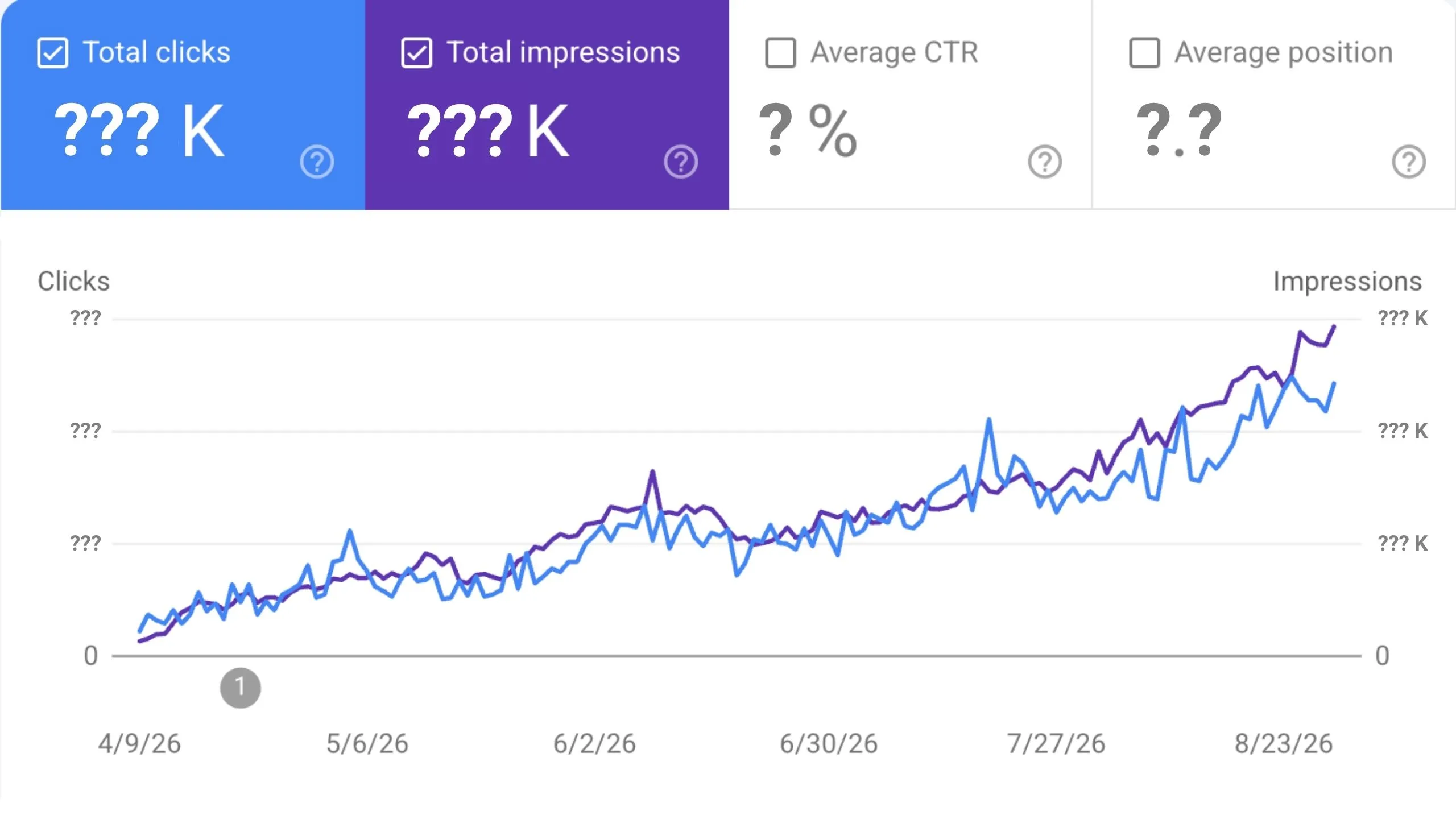
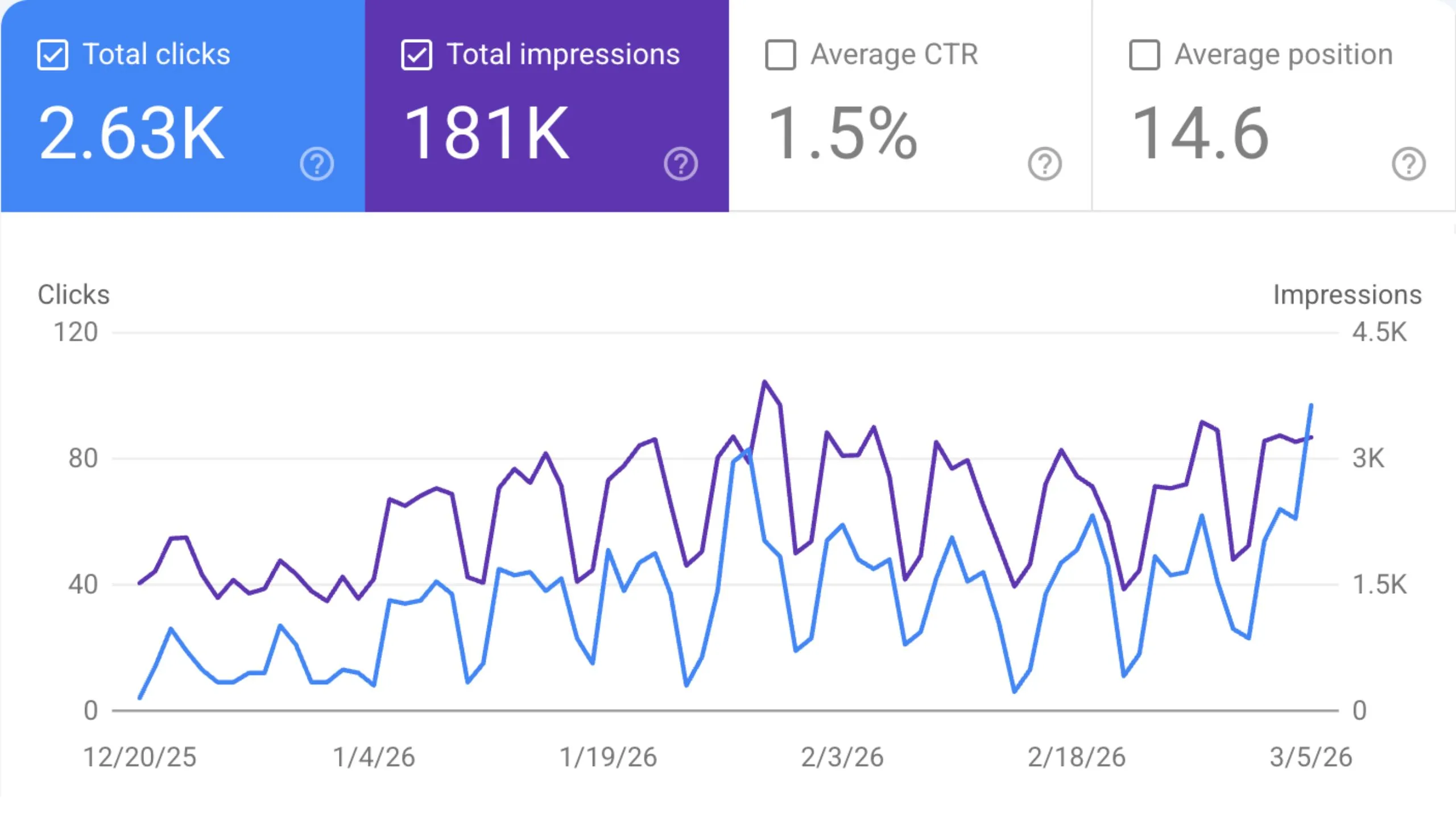
הם מצליחים עם סורנק





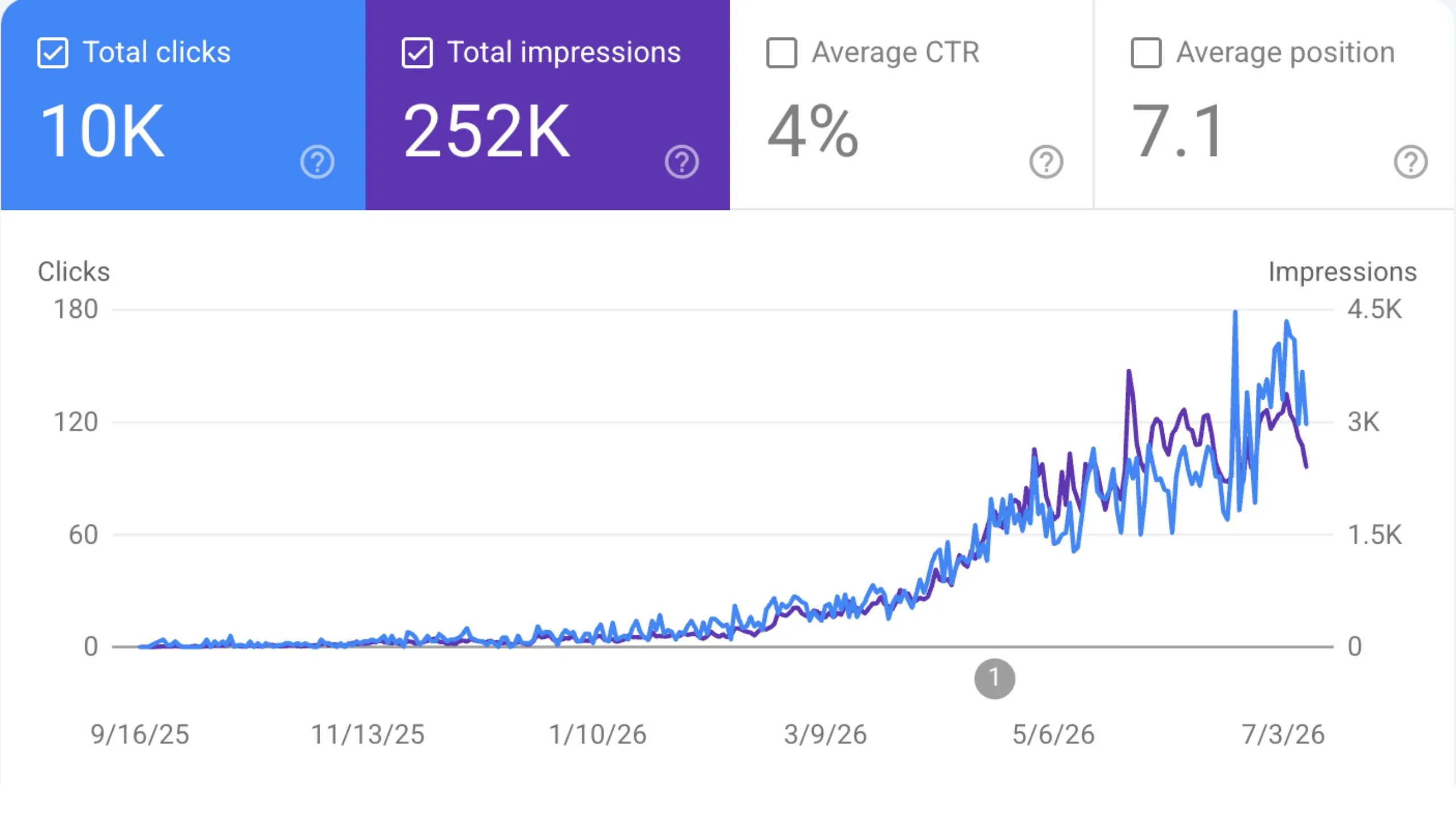

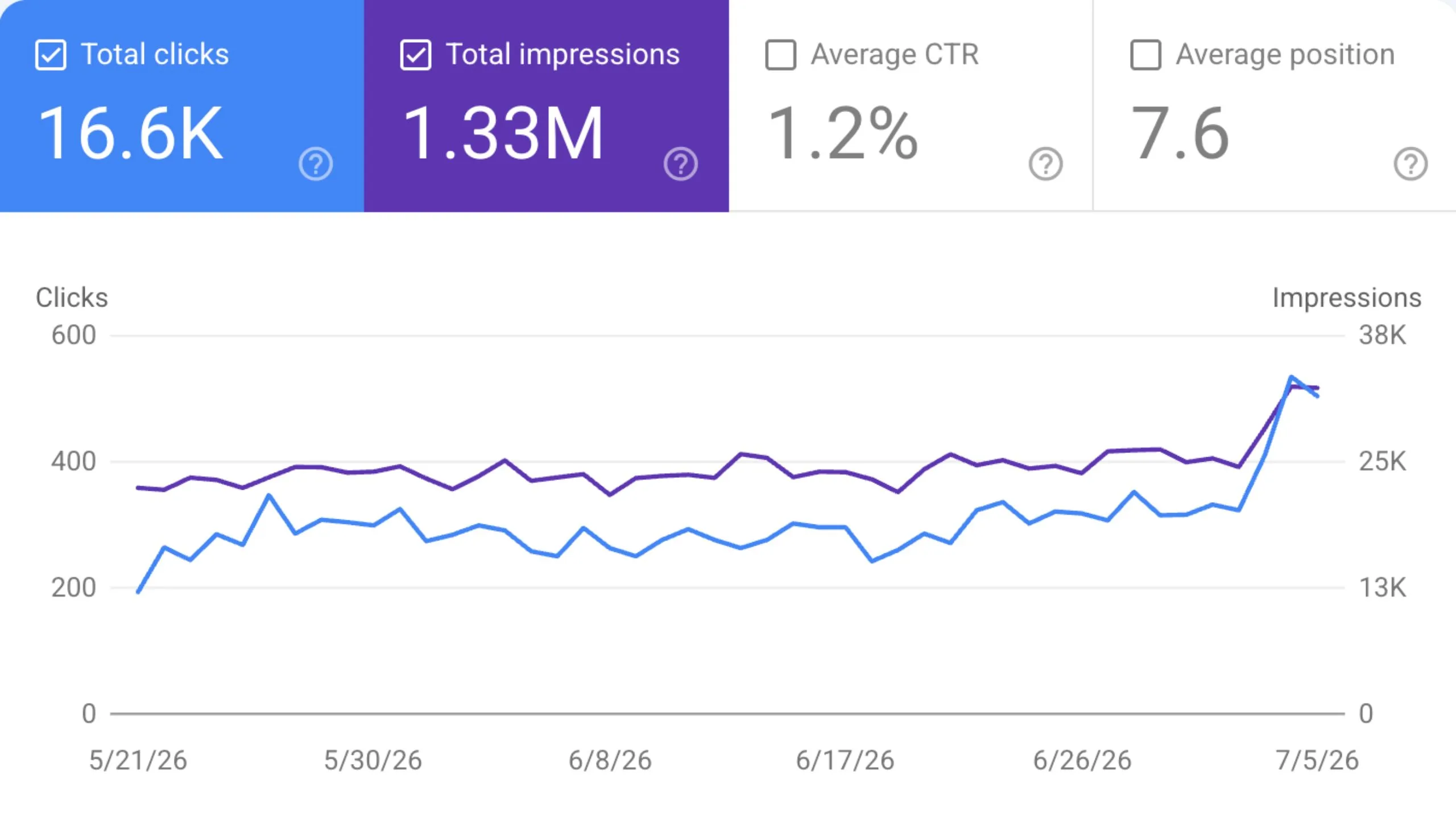

.webp)

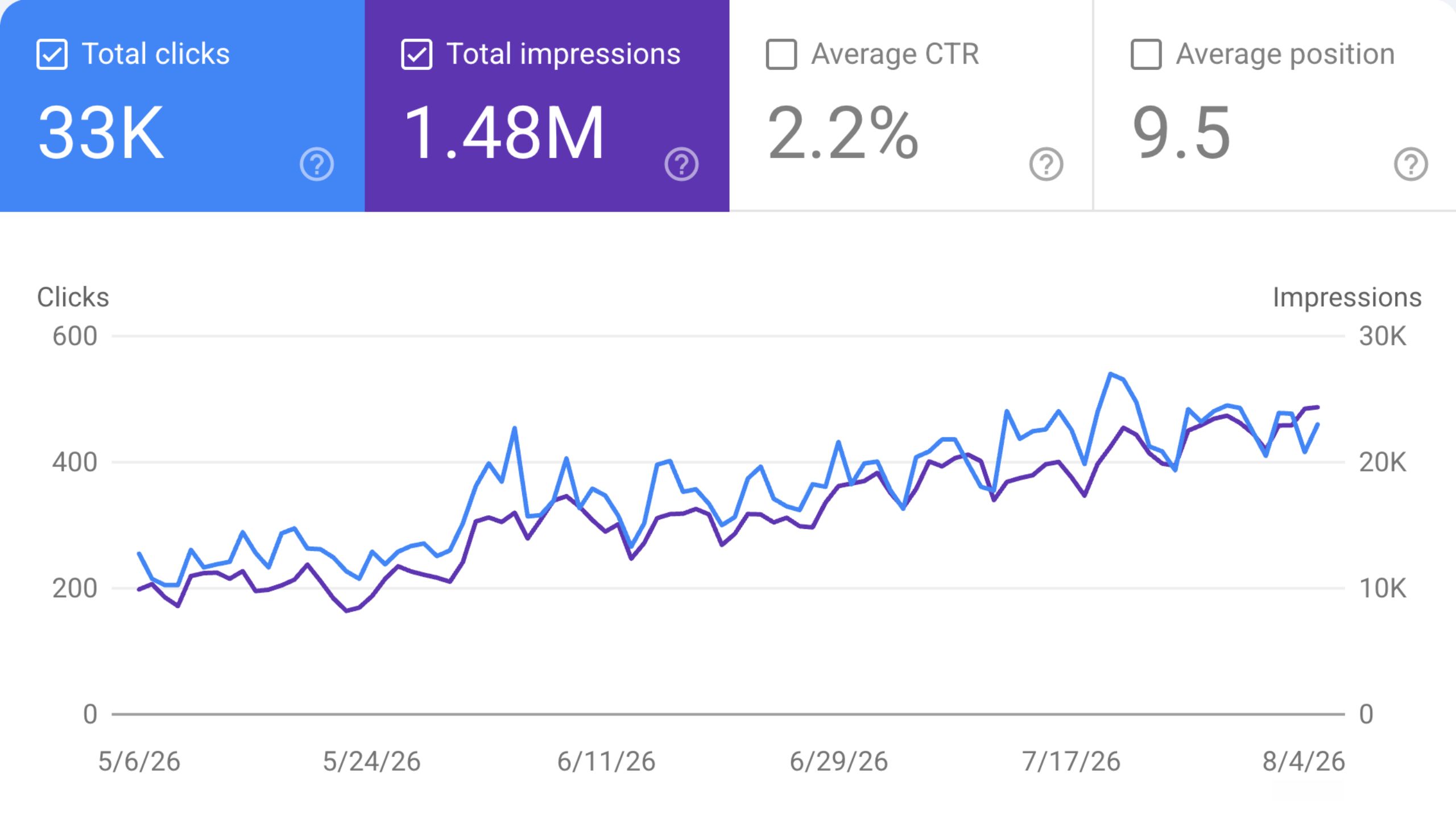



.webp)
.webp)










.svg)
.svg)