
Preferences
Privacy is important to us, so you have the option of disabling certain types of storage that may not be necessary for the basic functioning of the website. Blocking categories may impact your experience on the website. More information

Privacy is important to us, so you have the option of disabling certain types of storage that may not be necessary for the basic functioning of the website. Blocking categories may impact your experience on the website. More information
Compare the best seo software for 2026. Learn which features matter for Google and AI search, and how automation drives organic growth.


Search has split into two arenas at once. People still type queries into Google, yet a growing share now ask ChatGPT, Perplexity, or Gemini and never click a blue link. Choosing the right SEO software in this environment means looking beyond keyword rankings toward a tool that protects visibility across both surfaces. To compare options on a single dashboard, our SEO tool brings audits, content, and tracking together in one place.
The stakes are concrete. Goodfirms research reports that nearly 60% of Google searches now end without a click to any external website. Visibility and traffic are no longer the same metric, which changes how you should evaluate any platform you pay for.
An SEO platform is software that helps you plan, execute, and measure your visibility in search engines. That definition has widened. It no longer covers only Google, but also Bing and the AI answer engines that increasingly sit between users and websites.
Most serious tools group their capabilities into a handful of jobs. They research keywords and prompts, audit technical health, optimize and publish content, build or analyze backlinks, and track rankings over time. Some specialize in one task and execute it well. Others aim to handle the full workflow so you avoid stitching many subscriptions together.
The market reflects this consolidation. According to Precedence Research, the global SEO software market was valued near 96 billion dollars in 2026 and is forecast to expand at a double-digit annual rate through 2035. Demand for built-in artificial intelligence is one of the clearest drivers behind that growth.
Why does Generative Engine Optimization, or GEO, suddenly appear on every feature list? Because user behavior moved first. Adoption of AI-based search tools has become mainstream rather than experimental, and platforms have rushed to keep pace.
The numbers explain the urgency. Business Research Insights found that roughly 68% of digital marketers have adopted AI-based SEO tools to improve content strategy and keyword targeting. Meanwhile, the dedicated AI-powered segment is growing far faster than the broader category, with one market.us forecast projecting a compound annual growth rate above 23% through 2035.
For your shortlist, the practical question is simple. Does the platform only optimize for Google, or does it also help you appear when an AI model answers a question about your category? Tracking when AI engines cite your brand is becoming as important as ranking on page one. Our platform monitors mentions across ChatGPT, Perplexity, Gemini, Claude, and Grok, so this new visibility layer does not stay invisible to you. Businesses that prefer a hands-on partner for this instead of software alone can compare the 10 best GEO and AI visibility agencies in France, agencies built specifically around AI citation strategy.

Feature lists blur together quickly. To cut through them, weigh each tool against the jobs you genuinely need done, not the longest specification sheet. A startup founder and a multi-client agency rarely need the same stack.
Use the comparison below to anchor your evaluation. It maps common capability categories against typical needs, with our own platform positioned as the all-in-one option.
| Capability | Niche tools | Large suites | Our platform |
|---|---|---|---|
| Technical and on-page audits | Often standalone | Included | Automated and ongoing |
| AI-first article generation | Separate writer | Add-on | Built in with sources and images |
| Backlink acquisition | Rarely included | Analysis only | Contextual links from real sites |
| AI citation tracking (GEO) | Emerging | Paid add-on | 300 monitored prompts plus leaderboard |
| Monthly visibility reporting | Limited | Configurable | Delivered automatically |
Two cautions deserve attention. First, free baseline tools such as Google Search Console give accurate first-party data, yet they cannot analyze competitors or build links, so they leave gaps. Second, advanced suites reward expertise; their depth is wasted if no one on your team has time to operate them. If you would rather not become a full-time analyst, our on-page audit handles the diagnostic work and surfaces fixes without manual crawling.
Here is the differentiator worth dwelling on. Most teams do not fail at SEO because they lack tools; they fail because maintaining the stack consumes the hours meant for actual growth. Automations break, usage limits hit, and spreadsheets multiply.
Our answer is a single autopilot platform for both Google SEO and AI GEO. After you connect your site, it runs audits, discovers keywords, generates AI-first articles with internal links and images, and publishes drafts or scheduled posts to your CMS. Technical fixes, including Core Web Vitals, schema, indexation, and broken links, are handled in the background. Backlinks come from a private network of more than 2,000 real sites with real traffic, not a private blog network. To see how the diagnostic layer feeds this loop, explore our AI SEO audit.
This matters because the discipline is fragmenting into traditional ranking, GEO, and answer engine optimization at once. Industry analysts note that SEO as a broad practice, building authority and earning AI citations, is more important than ever, even as classic blue-link rankings lose ground for informational queries. Consolidating those efforts into one workflow is the most durable response.

Patience is part of the strategy. Organic visibility compounds, which means the first weeks rarely show the full picture. Setting realistic expectations protects budgets from premature cuts.
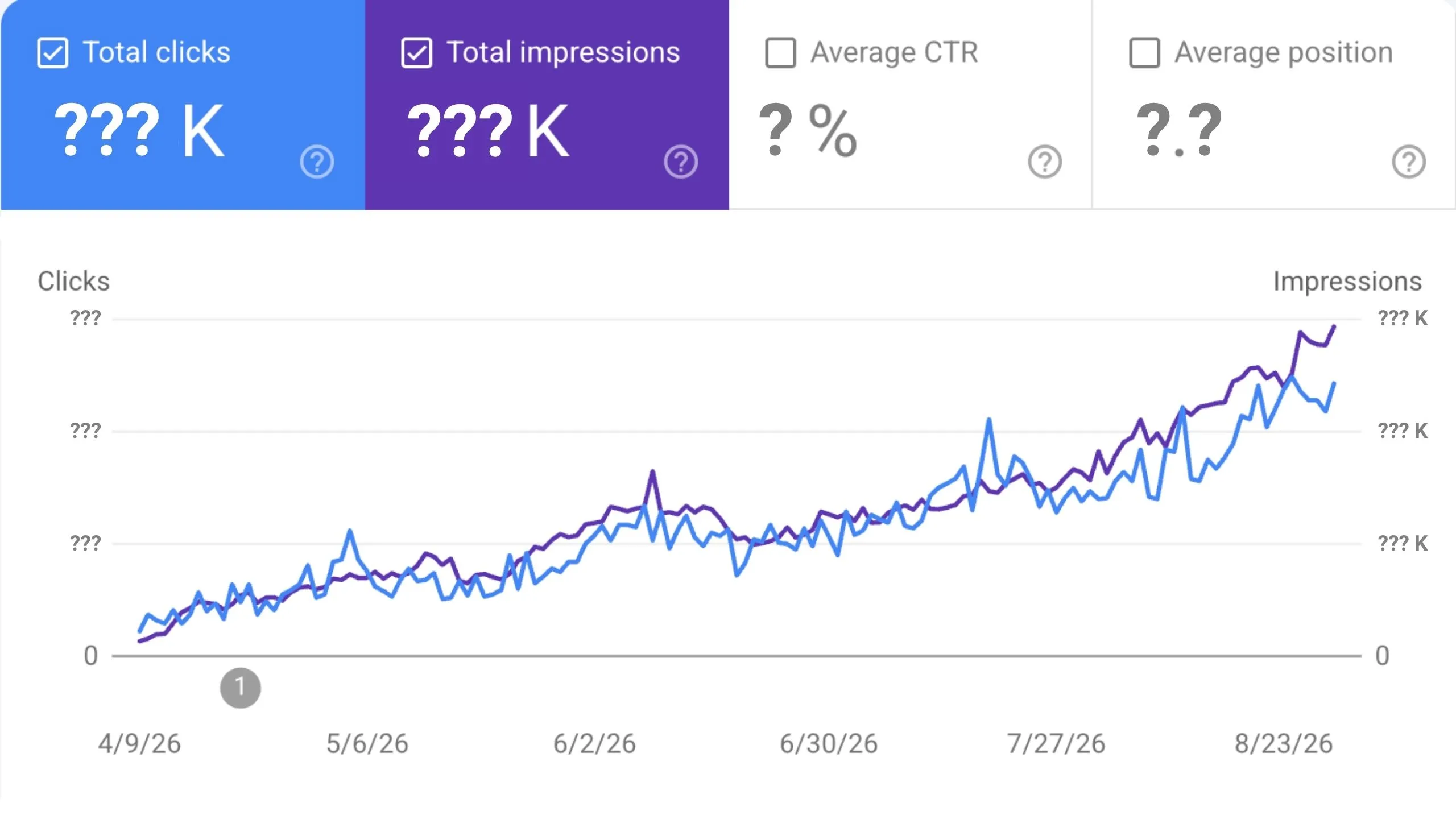
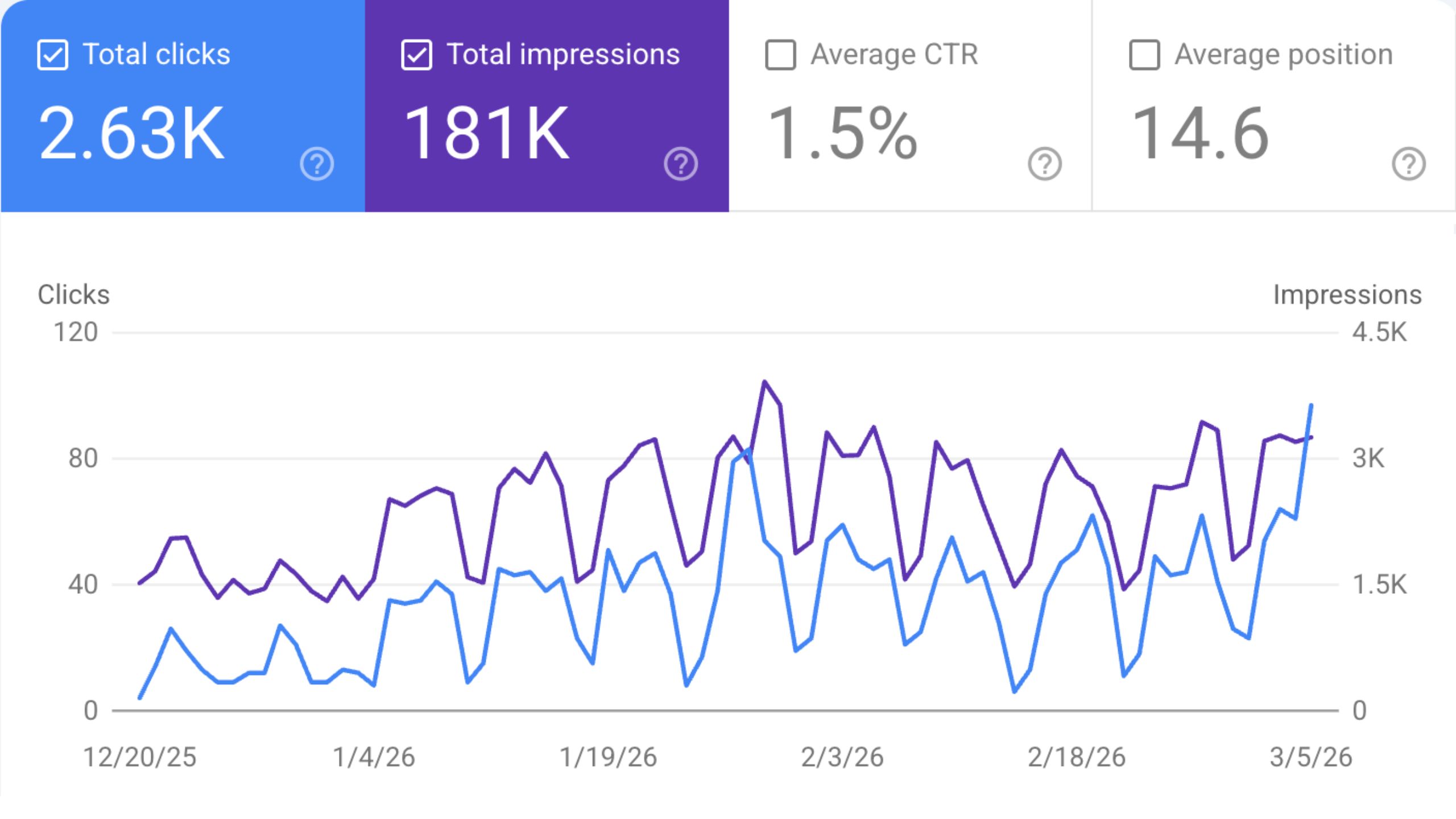
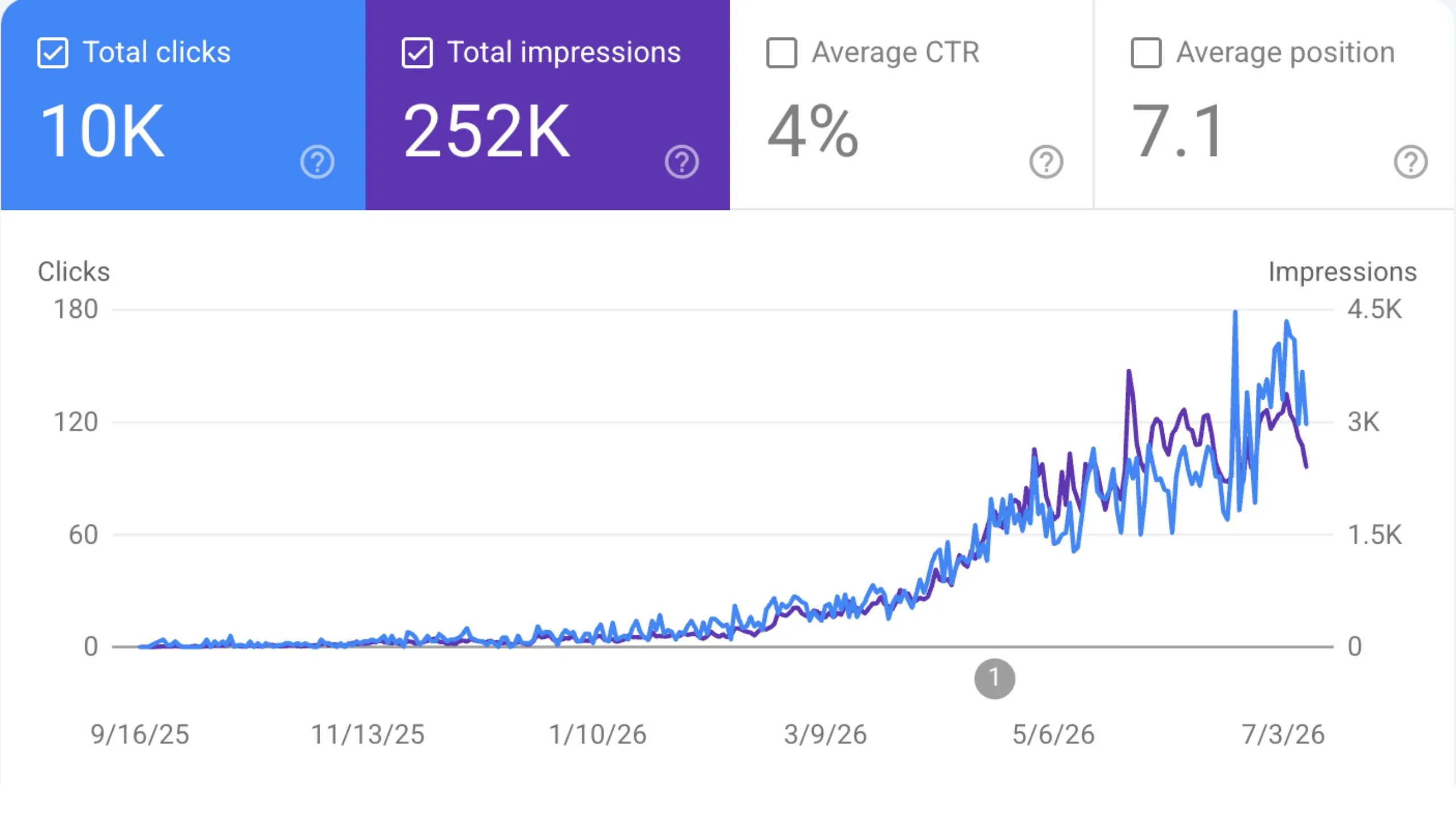
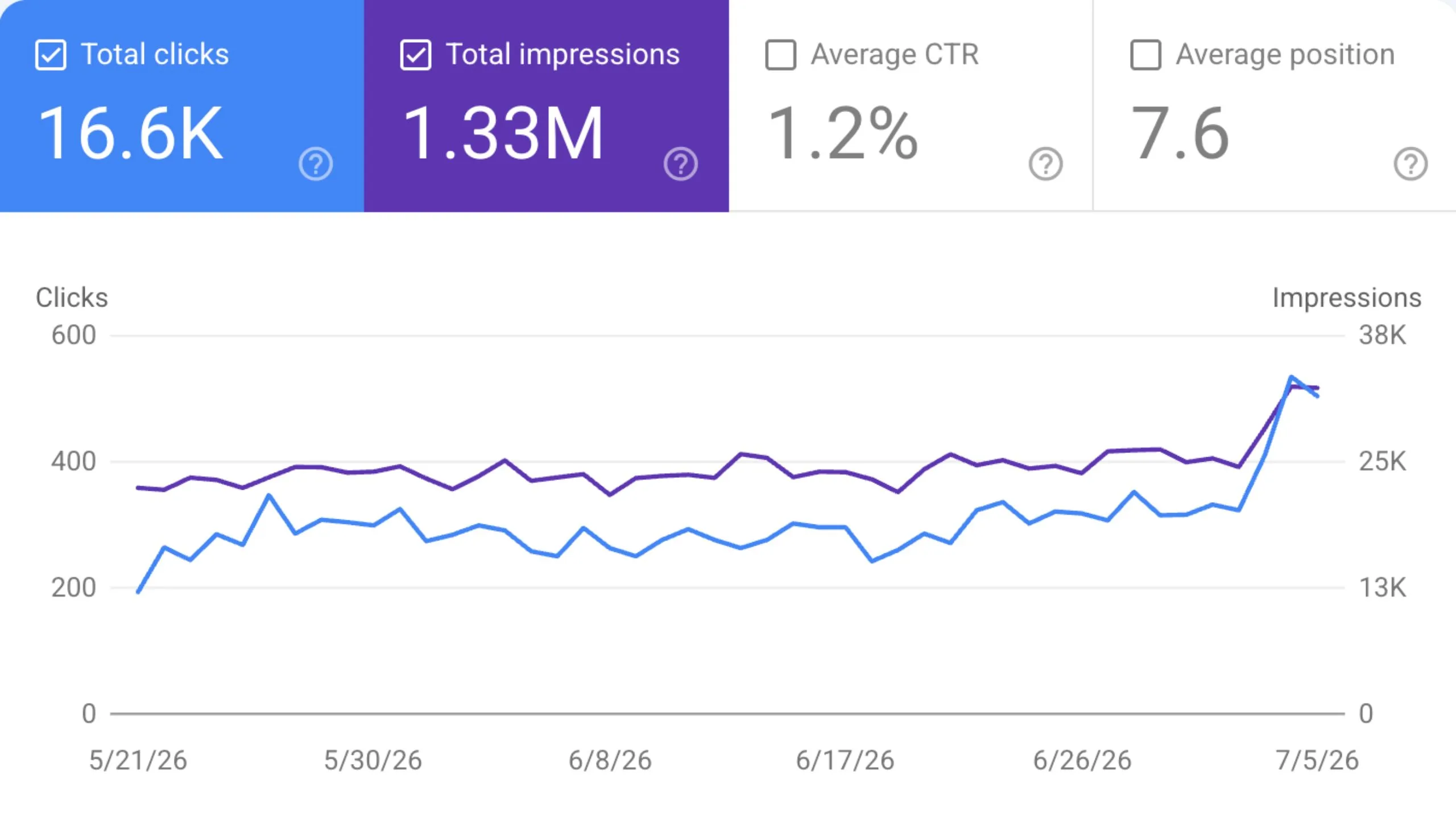
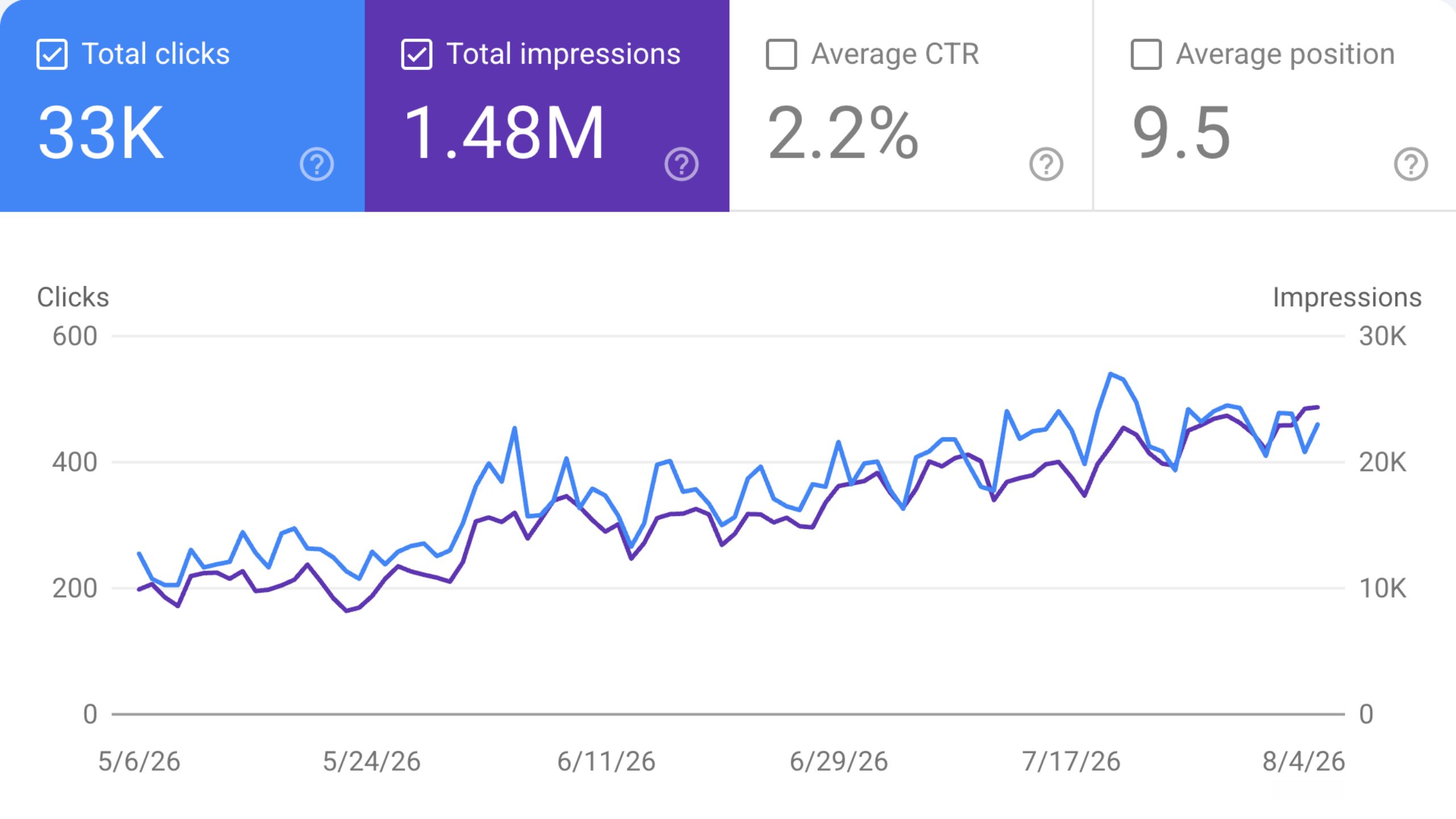
In our experience, first AI citations tend to appear around three weeks after consistent publishing begins. Google traffic typically ramps over two to three months, and the compounding effect becomes powerful around month six. As one illustration, Lacreme.ai moved from roughly 300 to 700 daily visitors in under four months using this approach.
The risk to manage is measurement, not effort. Goodfirms' 2026 survey found that 51.4% of marketers cite proving return on investment as a top challenge, partly because traditional analytics cannot capture a brand mention inside an AI answer. A platform that reports both ranking movement and AI citations, delivered monthly to your inbox, closes that visibility gap directly.
Match the tool to the operator. An agency delivering for many clients values consolidation and shared seats. An ecommerce team wants organic growth without hiring specialists. A B2B company needs to rank on Google and be cited by AI models simultaneously.
For all three, the deciding factors are the same: breadth of coverage, degree of automation, and ownership of what you create. On that last point, the assets our platform generates remain fully yours; articles can be edited, republished, and kept even after cancellation. Teams that want a fully managed alternative rather than a self-serve platform can also review the 10 best seo agencies in France, which compares agencies handling this work end to end. For a deeper look at diagnostics specifically, our SEO diagnostic software page breaks down how the audit engine works.
The search landscape of 2026 rewards platforms that treat Google rankings and AI citations as one connected problem. With nearly 60% of searches ending without a click, visibility now depends on appearing inside answers, not just beneath them. The best SEO platform for you is the one that covers both surfaces, automates the repetitive technical work, and proves its impact with clear monthly reporting. Choose for the next two years of behavior, not the last two. Our autopilot approach to SEO and GEO is built precisely so busy teams can grow organic visibility without surrendering fifty hours a month to tool maintenance. To get started, try our AI SEO audit free and see where your visibility stands today.
Traditional SEO software helps you rank in search engines such as Google and Bing. GEO software optimizes and tracks how AI engines like ChatGPT and Perplexity cite your brand. Our platform combines both in one dashboard.
Yes. Modern platforms automate audits, fixes, and publishing so you do not need to be a specialist. Our tool handles technical issues like schema and Core Web Vitals in the background after you connect your site.
Results compound over time rather than arriving instantly. First AI citations often appear within about three weeks, while Google traffic typically builds over two to three months and strengthens noticeably around month six.
THEY WIN WITH SORANK







.webp)





.webp)
.webp)









.svg)
.svg)