
التفضيلات
خصوصيتك مهمة بالنسبة لنا، لذلك لديك خيار تعطيل أنواع معينة من التخزين التي قد لا تكون ضرورية للوظائف الأساسية للموقع. قد يؤثر حظر الفئات على تجربتك في الموقع. مزيد من المعلومات

خصوصيتك مهمة بالنسبة لنا، لذلك لديك خيار تعطيل أنواع معينة من التخزين التي قد لا تكون ضرورية للوظائف الأساسية للموقع. قد يؤثر حظر الفئات على تجربتك في الموقع. مزيد من المعلومات
Content Clusters هي صفحة محورية وصفحات داعمة مترابطة حول موضوع واحد. تعرف على الهيكل ومكوناته ولماذا يعزز SEO وGEO.
.webp)
.webp)




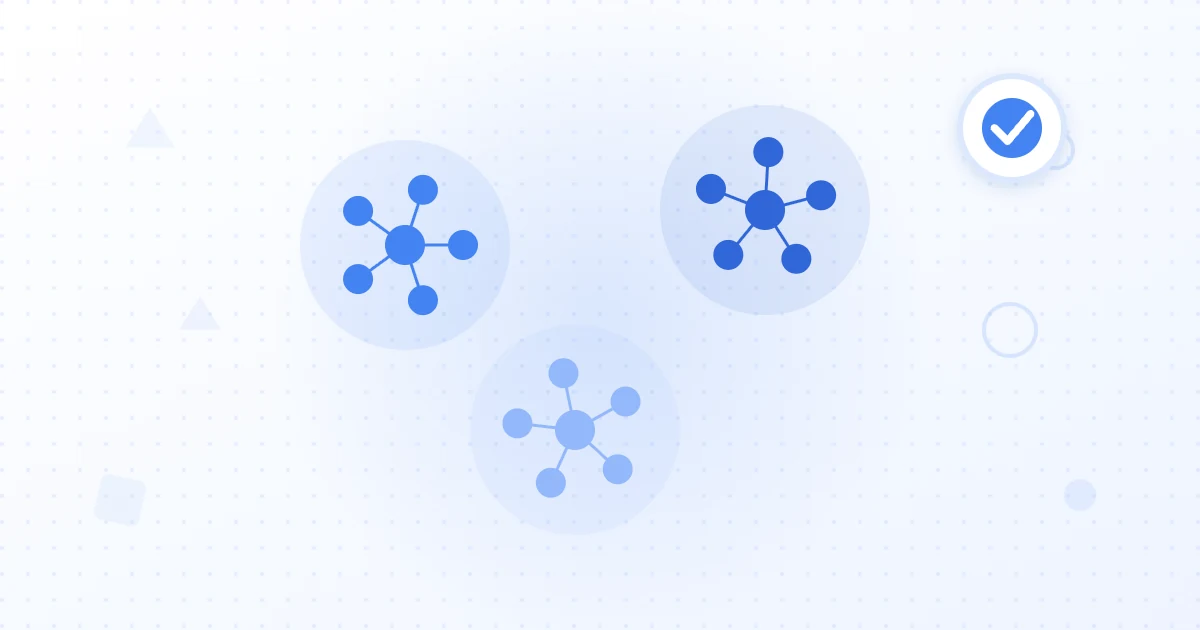

Content Clusters هي مجموعات من صفحات مترابطة ومرتبطة موضوعيا تعمل معا لتغطية موضوع بشكل شامل. للهيكل شكل مميز: صفحة محورية واحدة تقدم نظرة عامة واسعة على موضوع رئيسي، وعدة صفحات مجموعة تستكشف مواضيع فرعية محددة بعمق، وكلها مترابطة عبر روابط داخلية. وبينما content clustering هي عملية بناء هذا الهيكل، فإن content clusters هي البنية النهائية التي تنتجها.
أصبح هذا الهيكل ركيزة أساسية لاستراتيجية المحتوى الحديثة لأن محركات البحث وأدوات الذكاء الاصطناعي تكافئ شبكات المحتوى المترابط أكثر من الصفحات المعزولة. تخبر مجموعة مبنية بشكل جيد كلا من الخوارزميات والقراء أن موقعك سلطة حقيقية في موضوع ما، وليس مجرد مجموعة من المقالات المتفرقة.
مجموعة المحتوى هي مجموعة من الصفحات المترابطة المنظمة حول موضوع مركزي، مصممة لحل مشكلات المستخدم بشكل شامل بدلا من استهداف كلمة مفتاحية واحدة. تمثل تحولا من استهداف الكلمات المفتاحية المعزولة نحو إظهار الخبرة عبر مجال موضوعي كامل. الصفحات مرتبطة عمدا بحيث تكون العلاقات بينها واضحة لكل من المستخدمين ومحركات البحث.
غالبا ما يوصف النموذج بأنه محور وفروع: يعمل عنصر محوري مركزي كمحور السلطة، وتنطلق الصفحات الداعمة إلى الخارج كفروع، كل منها يعزز المحور. هذا هو النظير البنيوي للعمل الموصوف في content clustering، وهذه هي الطريقة التي يصبح بها العمق الموضوعي مرئيا على الموقع.
تتكون المجموعة الكاملة من أربعة أجزاء. الصفحة المحورية هي المحور: نظرة عامة جوهرية، غالبا 2000 كلمة أو أكثر، تغطي الأساسيات وأفضل الممارسات والاستراتيجية العامة على مستوى عال. صفحات المجموعة أو الموضوع الفرعي هي الفروع: مقالات مركزة تستكشف أسئلة محددة وحالات استخدام ومقارنات وزوايا متقدمة بعمق.
الجزء الثالث هو الروابط الداخلية: اتصالات سياقية ووصفية وثنائية الاتجاه بين الصفحة المحورية وفروعها، بنص وصلة (anchor text) متنوع يشير إلى كيفية ارتباط الصفحات. الجزء الرابع هو الكيانات (entities) وترميز البيانات المنظمة (schema markup)، التي توضح مفاهيم العالم الحقيقي وتساعد محركات البحث على فهم العلاقات. تجتمع هذه العناصر لتحويل الصفحات المنفصلة إلى وحدة متماسكة واحدة وتعزز entity SEO.
يوفر هيكل المجموعة إشارات واضحة على أن موقعك يغطي موضوعا بشكل شامل بدلا من مطاردة كلمات مفتاحية معزولة. من خلال الترابط والتسلسل الهرمي، يمكن لمحرك البحث تحليل علاقات الكيانات بين الصفحات، وعمق التغطية عبر المواضيع الفرعية، والسلطة الموضوعية الناشئة عن المحتوى المترابط وذي الصلة. تجعل أنماط عناوين URL النظيفة ومسارات التنقل (breadcrumbs) المتسقة هذا الهيكل أكثر وضوحا.
يتماشى هذا مع التركيز الحديث على الفهم القائم على الكيانات بدلا من كثافة الكلمات المفتاحية. والجدير بالذكر أن تحديث النواة من Google في يونيو 2025 عزز فكرة أن التغطية الشاملة للموضوع يمكن أن تتفوق على نطاقات ذات سلطة أعلى عندما يكون عمق المحتوى والملاءمة الداخلية والمواءمة عبر الصفحات ذات الصلة أقوى. المجموعة هي الطريقة لتجميع هذا العمق والملاءمة في شكل يمكن لمحركات البحث قراءته، مدعومة بخريطة موضوعية واضحة.
المحتوى المجمّع في مجموعات ببساطة يحقق أداء أفضل. وفقا لتحليل مُستشهد به على نطاق واسع، يحقق المحتوى المنظم في مجموعات حركة زيارات عضوية أعلى بنحو 30 بالمئة ويحافظ على الترتيبات لفترة أطول بنحو 2.5 مرة مقارنة بالمقالات المستقلة. يمكن لمجموعة قوية واحدة أن تُرتّب لمئات بل وأكثر من ألف كلمة مفتاحية ذات صلة، لأن الصفحات تغطي معا كامل اتساع الموضوع.
تمنع المجموعات أيضا أكل لحوم المحتوى (cannibalization). عندما تستهدف صفحات متعددة مصطلحات متشابهة دون هيكل، فإنها تُضعف السلطة عبر عناوين URL متنافسة؛ تدمج المجموعة المحتوى ذا الصلة في تسلسل هرمي واضح يخبر محركات البحث أي صفحة تملك أي نية. النتيجة هي سلطة محتوى دائمة بدلا من منافسة داخلية، وكل رابط داخلي يعزز الكل.
بالنسبة لتحسين المحتوى للأنظمة التوليدية، من الأرجح أن يكسب المحتوى الشامل والمترابط استشهادات في AI Overviews وواجهات الإجابة الأخرى. تفضل أنظمة الذكاء الاصطناعي المصادر التي تغطي موضوعا بشكل كامل ومتماسك، لذا تمنح المجموعة محرك بحث العديد من الصفحات المترابطة والمنظمة جيدا ليستقي منها عند بناء إجابة، مما يوسع ظهورك إلى ما وراء الترتيبات الكلاسيكية.
يجعل الهيكل أيضا عملية الاسترجاع أنظف. ولأن كل فرع يتناول سؤالا محددا ويرتبط مرة أخرى بصفحة محورية معرّفة، يمكن لمحرك البحث إيجاد الصفحة الصحيحة لاستعلام دقيق مع فهم السياق الأوسع. يتماشى هذا بشكل طبيعي مع البحث الدلالي، حيث يحدد المعنى والعلاقات، لا الكلمات المفتاحية فقط، ما يظهر.
أعطِ الأولوية للعمق. اجعل الصفحات المحورية جوهرية ودع الفروع تتعمق أكثر في مواضيعها الفرعية، مع تجنب التغطية السطحية التي تشير إلى خبرة ضحلة. اربط من الصفحة المحورية إلى الفروع في محتوى مرئي وأعلى الطية (above the fold)، واربط الفروع مرة أخرى بالصفحة المحورية بنص وصلة وصفي، واربط الفروع ذات الصلة ببعضها، باستخدام تنويع طبيعي لنص الوصلة بدلا من تكرار عبارة واحدة.
أضف طبقات من البيانات المنظمة مثل سكيمات Article أو FAQ أو HowTo لتوضيح أنواع المحتوى وعلاقات الكيانات، واعرض السير الذاتية للكاتب ومؤهلاته لتعزيز إشارات الثقة. حافظ على الهيكل قابلا للمسح البصري بعناوين وملخصات واضحة، وصُنه بوتيرة منتظمة، مع تحديث الصفحات المحورية دوريا لمواجهة Content Decay ودمج الصفحات الضحلة أو المتداخلة. مواءمة كل هذا مع بحث الكلمات المفتاحية وتخطيط المحتوى المنضبط تُبقي المجموعة مركزة على الطلب الحقيقي.
الفشل الأكثر شيوعا هو ضعف الروابط الداخلية. بدون اتصالات واضحة وثنائية الاتجاه، لا تُقرأ الصفحات كمجموعة ولا يستطيع محرك البحث رسم خريطة علاقاتها، فتتبخر فائدة السلطة. الضرر بنفس القدر يأتي من صفحة محورية ضحلة تعِد باتساع لكنها تقدم القليل، مما يقوض المحور الذي من المفترض أن تعززه الفروع.
تميل الفرق أيضا إلى التمدد، فتنشئ صفحة سطحية لكل اختلاف طفيف بدلا من دمج النوايا المتقاربة. هذا يُضعف المجموعة ويعيد إدخال أكل لحوم المحتوى الذي كان يُفترض أن تحله. تحافظ المراجعات المنتظمة وفحوصات الروابط والدمج على تماسك الهيكل، وتكمل تنظيما أوسع من خلال مجموعات المحتوى.
Content clusters هي مجموعات مترابطة من الصفحات، صفحة محورية واسعة بالإضافة إلى فروع مواضيع فرعية مركزة، مرتبطة في هيكل متماسك واحد حول موضوع مركزي. إنها تجعل التغطية الشاملة مرئية لمحركات البحث وأنظمة الذكاء الاصطناعي، التي تكافئ بشكل متزايد العمق والملاءمة الداخلية والمواءمة على حساب صفحات الكلمات المفتاحية المعزولة.
مبنية بصفحات محورية جوهرية وفروع عميقة وروابط داخلية ثنائية الاتجاه قوية وهيكل نظيف، تُرتّب المجموعات أعلى، وتدوم لفترة أطول، وتتجنب أكل لحوم المحتوى، وتكسب استشهادات ذكاء اصطناعي أكثر. إنها ناتج content clustering منضبط وأساس لسلطة محتوى دائمة. مصادر مرجعية: Search Engine Land، وSemrush، وseoClarity.

الصفحة المحورية هي محور المجموعة: نظرة عامة واسعة وجوهرية على موضوع رئيسي، غالبا 2000 كلمة أو أكثر، تغطي الأساسيات والاستراتيجية العامة. صفحات المجموعة هي الفروع: مقالات مركزة تتعمق في مواضيع فرعية محددة وأسئلة ومقارنات أو زوايا متقدمة. تربط الصفحة المحورية بفروعها ويربط كل فرع مرة أخرى بالصفحة المحورية، بحيث تشكل معا هيكلا واحدا مترابطا حول الموضوع.
لا يوجد عدد ثابت؛ الأمر يعتمد على عدد المواضيع الفرعية المتميزة والقيّمة التي يدعمها الموضوع فعلا. قد تحتوي المجموعة على عدد قليل من الفروع أو الكثير منها، ويمكن للمجموعات القوية أن تُرتّب في النهاية لمئات بل وأكثر من ألف كلمة مفتاحية ذات صلة. القاعدة الموجهة هي إنشاء صفحة لكل نية متميزة فعلا ودمج النوايا المتقاربة، مع إعطاء الأولوية للعمق والروابط الواضحة على مجرد عدد الصفحات.
نعم. تفضل محركات الذكاء الاصطناعي المصادر التي تغطي موضوعا بشكل شامل ومتماسك، لذا تمنحها مجموعة مترابطة بشكل جيد العديد من الصفحات المترابطة والمنظمة جيدا لتستقي منها عند بناء إجابة. هذا يجعل المحتوى المجمّع في مجموعات أكثر احتمالا للاستشهاد به في AI Overviews والواجهات المماثلة. نفس العمق ووضوح الكيانات والملاءمة الداخلية التي تكسب ترتيبات قوية تجعل أيضا محتواك أسهل في الاسترجاع والإشارة إليه بالنسبة لأنظمة الذكاء الاصطناعي.









.svg)
.svg)