
التفضيلات
خصوصيتك مهمة بالنسبة لنا، لذلك لديك خيار تعطيل أنواع معينة من التخزين التي قد لا تكون ضرورية للوظائف الأساسية للموقع. قد يؤثر حظر الفئات على تجربتك في الموقع. مزيد من المعلومات

خصوصيتك مهمة بالنسبة لنا، لذلك لديك خيار تعطيل أنواع معينة من التخزين التي قد لا تكون ضرورية للوظائف الأساسية للموقع. قد يؤثر حظر الفئات على تجربتك في الموقع. مزيد من المعلومات
تعلم كيفية تحسين الموقع المبني بواسطة Durable AI لـ SEO الكلاسيكي و GEO (Generative Engine Optimization). دليل عملي للبيانات المنظمة والبيانات الوصفية والظهور في ChatGPT و Perplexity.
.webp)
.webp)





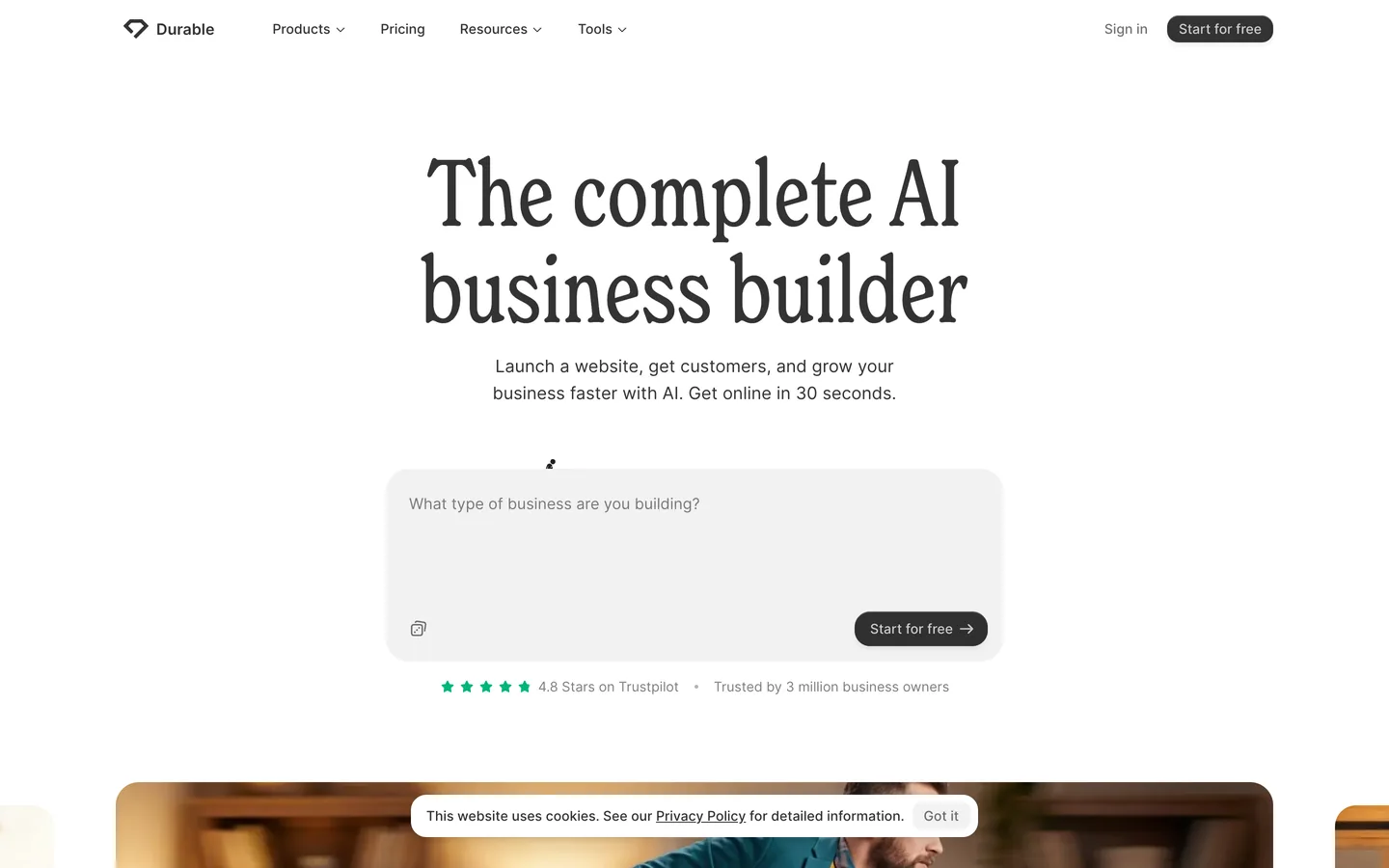



Durable هي منشئ مواقع مدعوم بالذكاء الاصطناعي يُنشئ موقع أعمال صغير كاملاً في ثوانٍ من وصف للعمل. يستهدف رواد الأعمال والشركات المحلية التي تريد الدخول إلى الإنترنت بسرعة دون مهارات تصميم أو برمجة. تتولى Durable الاستضافة ونطاقاً مخصصاً وحضوراً أساسياً على الإنترنت مع نموذج اتصال وصفحات خدمة. جذبت اهتماماً كبيراً بوصفها واحدة من أول منشئي المواقع الأصليين للذكاء الاصطناعي التي تصل إلى تبنٍ واسع.
لـ SEO و GEO، تقدم Durable تحدياً محدداً: لأن محتوى الموقع مولّد وليس مكتوباً من خبير بشري، فإن المخرجات الافتراضية تفتقر غالباً إلى العمق والخصوصية والبيانات المنظمة التي يستخدمها كل من Google ونماذج لغة الذكاء الاصطناعي كإشارات جودة. الخبر الجيد أن Durable تسمح بتحرير المحتوى المولّد وتخصيص حقول الميتا وإضافة مقاطع HTML في بعض الخطط، وهي الأدوات الرئيسية للتحسين.
قيد صعب واحد يجب الانتباه إليه: Durable ليس لها API عامة، ولا موصل Make.com، ولا نقطة نهاية لإنشاء أو تحديث منشورات المدونة من أدوات خارجية. نشر المحتوى تلقائياً عبر برامج خارجية غير ممكن على المنصة اعتباراً من 2026.
مفارقة المواقع المبنية بالذكاء الاصطناعي والتي تتنافس على الاستشهادات في الإجابات المولّدة بالذكاء الاصطناعي حقيقية. يقيّم ChatGPT و Perplexity و Google AI Overviews إشارات جودة المحتوى التي يفشل فيها النص المولّد بالذكاء الاصطناعي افتراضياً: الخصوصية و E-E-A-T (الخبرة والتخصص والمرجعية والموثوقية) والادعاءات الوقائعية الأصلية. موقع Durable الذي ينشر فقط ما ولّده الذكاء الاصطناعي في الإعداد سيحتل مراتب أدنى ويُستشهد به أقل بكثير من موقع Durable أعاد مالكه كتابة المحتوى وتخصيصه وتنظيمه بعناية.
لذلك يتطلب Generative Engine Optimization (GEO) لموقع Durable نفس الاستثمار التحريري البشري كأي موقع آخر. التوليد بالذكاء الاصطناعي يسرّع المسودة الأولى؛ الخبرة البشرية تجعله قابلاً للاستشهاد.
اتبع هذه الخطوات بعد توليد موقع Durable:
إذا كانت خطة Durable تتضمن ميزة HTML embed، الصق هذه الكتلة في منطقة embed في رأس الصفحة الرئيسية:
<script type='application/ld+json'>
{
  "@context": "https://schema.org",
  "@type": "LocalBusiness",
  "name": "Your Business Name",
  "url": "https://www.yourdomain.com",
  "logo": "https://www.yourdomain.com/logo.png",
  "description": "One sentence describing your business and the area it serves.",
  "address": {
    "@type": "PostalAddress",
    "streetAddress": "123 Main Street",
    "addressLocality": "Your City",
    "addressRegion": "ST",
    "postalCode": "00000",
    "addressCountry": "US"
  },
  "telephone": "+1-555-000-0000",
  "openingHours": "Mo-Fr 09:00-17:00",
  "sameAs": [
    "https://www.google.com/maps/place/your-listing",
    "https://www.yelp.com/biz/your-business"
  ]
}
</script>
مخطط LocalBusiness مهم بشكل خاص لمواقع Durable لأن معظم مستخدمي Durable هم أعمال خدمة محلية. يساعد هذا المخطط Google ومساعدي الذكاء الاصطناعي على إبراز عملك في الاستعلامات المحلية ('سباك قريب مني'، 'أفضل محاسب في [المدينة]').
المحتوى المولّد بالذكاء الاصطناعي من منشئي المواقع مثل Durable يُقرأ غالباً كمحتوى عام لأنه كذلك. يستخدم عبارات شائعة، ويتجنب الادعاءات المحددة ولا يستشهد بمصادر. هذا عكس ما يكافئه Google ونماذج لغة الذكاء الاصطناعي. لإصلاح ذلك:
E-E-A-T (الخبرة، التخصص، المرجعية، الموثوقية) هي كيف يقيّم Google ونماذج الذكاء الاصطناعي ما إذا كان المصدر يستحق الاستشهاد. لموقع Durable:
يُشير ملف llms.txt لزواحف نماذج لغة الذكاء الاصطناعي إلى المحتوى المتاح للمعالجة على موقعك. إذا سمحت Durable برفع ملفات ثابتة إلى دليل الجذر (تحقق مع خطتك)، فضع الملف في yourdomain.com/llms.txt بهذه البنية الدنيا:
# yourdomain.com

## Business
Name: Your Business Name
Description: [One sentence]
URL: https://www.yourdomain.com

## Content available for AI
- Service pages: https://www.yourdomain.com/services
- FAQ: https://www.yourdomain.com/faq
Durable ليس لها API عامة، ولا موصل Make.com، ولا نقطة نهاية لإنشاء أو تحديث منشورات المدونة من أدوات خارجية. نشر المحتوى تلقائياً عبر برامج خارجية غير ممكن مباشرة على المنصة. النهج الموصى به هو استضافة مدونة المحتوى على Sorank وربطها من موقع Durable. مع Sorank تولّد مقالات محسّنة لـ GEO من كلمات مفتاحية مستهدفة، مع بيانات منظمة صحيحة وقسم FAQ وبنية محتوى الإجابة أولاً. مدونة Sorank تعمل كمحرك محتوى لحركة عضوية واستشهادات ذكاء اصطناعي مستمرة؛ موقع Durable يعمل كوجهة تحويل. الاثنان يعملان معاً دون الحاجة إلى أن توفر Durable أي API كتابة.
لتقنيات GEO المطبقة على منشئي مواقع ذكاء اصطناعي ومواقع بسيطة أخرى، راجع أدلتنا لـ Jimdo و Strikingly و Webnode و Webador و Squarespace. لاحتياجات إدارة محتوى أكبر، راجع دليلنا لـ WordPress SEO والبحث بالذكاء الاصطناعي.
توفر Sorank مجموعة من الأدوات المجانية وميزات المنصة التي تكمل أي استراتيجية GEO، بغض النظر عن منشئ المواقع الذي تستخدمه:

تتضمن بعض خطط Durable ميزة كتلة HTML embed التي تسمح بلصق بيانات JSON-LD المنظمة في رأس الصفحة. تحقق من ميزات خطتك؛ إذا كانت كتلة embed متاحة، الصق هناك كتلة JSON-LD لـ Organization أو LocalBusiness. في الخطط بدون HTML embed، لا يمكن إضافة البيانات المنظمة مباشرة.
Durable ليس لها API عامة، ولا موصل Make.com، ولا نقطة نهاية لإنشاء أو تحديث منشورات المدونة من أدوات خارجية. نشر المحتوى تلقائياً عبر برامج خارجية غير مدعوم على منصة Durable.
بما أن Durable ليس لها API عامة ولا موصل Make.com ولا تدعم إنشاء منشورات مدونة تلقائي من أدوات خارجية، فإن النهج الموصى به هو استضافة مدونة محتوى خارجية على Sorank وربطها من موقع Durable. تولّد Sorank مقالات محسّنة لـ GEO ببيانات منظمة صحيحة وبنية الإجابة أولاً. مدونة Sorank تقود حركة عضوية واستشهادات الذكاء الاصطناعي المستمرة؛ موقع Durable يتولى التحويل.








.svg)
.svg)