
التفضيلات
خصوصيتك مهمة بالنسبة لنا، لذلك لديك خيار تعطيل أنواع معينة من التخزين التي قد لا تكون ضرورية للوظائف الأساسية للموقع. قد يؤثر حظر الفئات على تجربتك في الموقع. مزيد من المعلومات

خصوصيتك مهمة بالنسبة لنا، لذلك لديك خيار تعطيل أنواع معينة من التخزين التي قد لا تكون ضرورية للوظائف الأساسية للموقع. قد يؤثر حظر الفئات على تجربتك في الموقع. مزيد من المعلومات
Source aggregation هو الطريقة التي يستخرج بها البحث عبر الذكاء الاصطناعي المقاطع من مصادر عديدة ويدمجها في إجابة واحدة. تعرف على كيفية عمل ذلك وكيفية جعل محتواك مُستشهدًا به.
.webp)
.webp)




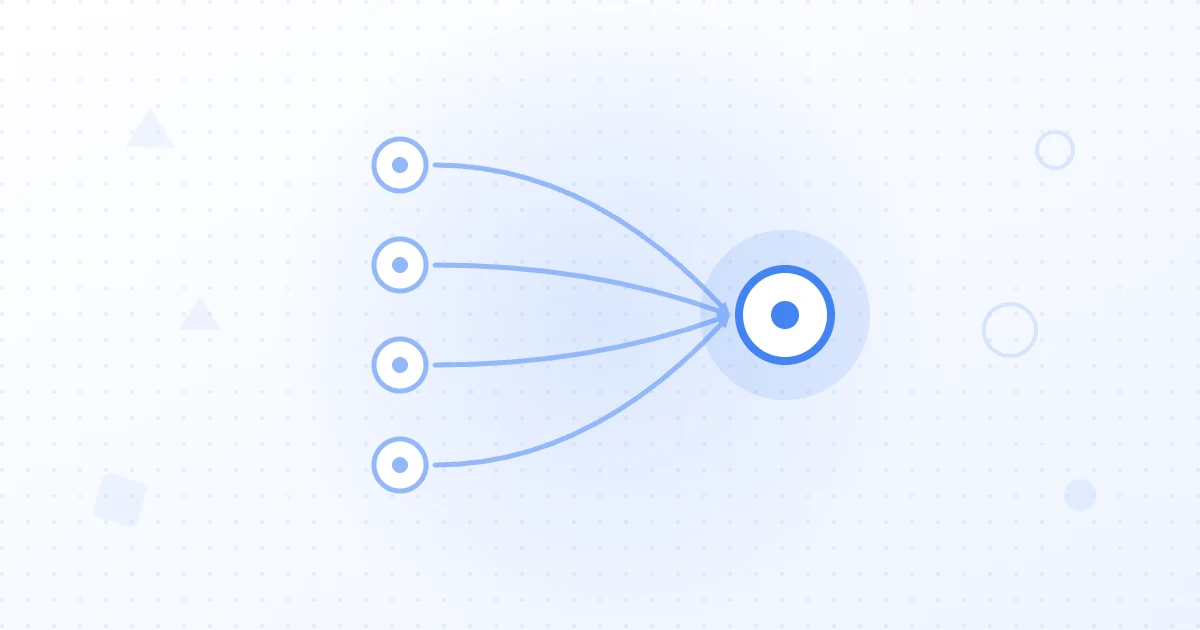
Source aggregation هي العملية التي يجمع بها نظام البحث عبر الذكاء الاصطناعي المحتوى من أماكن عديدة، فهرس الويب، والمنتديات، والمراجعات، ونصوص الفيديو، وقواعد المعرفة، ويدمجه في إجابة واحدة متماسكة. بدلًا من إرجاع قائمة روابط، يستخرج النظام مقاطع ذات صلة من عشرات المستندات ويدمجها في السياق الذي يستدل عليه.
تقع هذه الخطوة في صميم طريقة إجابة المساعدين المعتمدين على الذكاء الاصطناعي. فبعد تفريع سؤال إلى العديد من الاستعلامات الفرعية واسترجاع نتائج لكل منها، يجب على النظام التوفيق بين معلومات متداخلة، ومتضاربة أحيانًا، في استجابة واحدة. فهم آلية التجميع يوضح لماذا يتم الاستشهاد ببعض العلامات التجارية بشكل متكرر بينما لا تظهر أخرى، حتى تلك التي تحتل مرتبة جيدة، في الإجابة أبدًا.
Source aggregation هي المرحلة الوسطى في خط أنابيب البحث عبر الذكاء الاصطناعي، وتقع بين الاسترجاع والتوليف. بمجرد أن يجمع النظام مقاطع مرشحة من عدة مكدسات استرجاع، يقوم التجميع بدمجها في مجمع واحد، ويزيل التكرارات، ويصفي حسب الجودة، ويرتب ما تبقى. الناتج هو مجموعة منسقة من المقاطع التي سيقرأها النموذج فعليًا.
من الأفضل فهم ذلك ضمن التدفق الأوسع: فهم الاستعلام، وتفريع الاستعلام (query fan-out)، والاسترجاع من مصادر عديدة، والتجميع والتصفية، ثم توليف LLM. التجميع هو اللحظة التي يقرر فيها النظام أي من الأشياء العديدة التي وجدها يستحق تأسيس الإجابة عليه. يغذي هذا مباشرة التوليف متعدد المصادر، حيث تصبح المقاطع المدمجة استجابة واحدة.
تبدأ العملية بالاتساع. يوسّع Query fanout سؤالًا واحدًا إلى عدة استعلامات فرعية، يستهدف كل منها زاوية مختلفة، ويشغّلها بالتوازي عبر فهرس الويب، ورسم المعرفة، ونصوص الفيديو، وفهارس أخرى. قد يتفرع استعلام حول خطة نصف ماراثون في آن واحد إلى عمليات بحث عن جداول التدريب والتغذية والوقاية من الإصابات.
يُرجع كل استعلام فرعي نتائجه المرتبة الخاصة به، لذا يجب على النظام دمج قوائم مرتبة عديدة في قائمة واحدة. من الطرق الشائعة reciprocal rank fusion، التي تسجّل نقاط كل مستند بناءً على مدى ترتيبه الجيد عبر صيغ استعلام متعددة وتعطي الأولوية للمصادر التي تظهر باستمرار قرب القمة. هذا يكافئ المحتوى الذي يجيب عن مجموعة كاملة من الأسئلة ذات الصلة، وليس سؤالًا واحدًا فقط.
بمجرد الدمج، يتم تنظيف مجمع المرشحين. تزيل إزالة التكرار المقاطع شبه المتطابقة حتى لا تزاحم النقطة نفسها مصادر أخرى. ثم تُطبّق مرشحات الجودة، بما في ذلك تسجيل السمعة وفق معايير الخبرة والكفاءة والموثوقية والثقة، وقيود سلامة المحتوى، وترجيح الحداثة الذي يفضل المعلومات الحالية.
هناك مرشح دقيق لكنه حاسم وهو قابلية استخراج المقتطف: تفضل الأنظمة المقاطع التي يمكن انتزاعها بشكل نظيف في إجابة مُوَلَّفة. المحتوى المدفون في نثر كثيف وغير منظم أصعب في الاستخراج من عبارة واضحة ومكتفية بذاتها. في مرحلة التصفية هذه تسقط صفحات عديدة كانت لتكون ذات صلة لولا ذلك، ولا تصل أبدًا إلى مجموعة التأصيل.
تصبح المقاطع العليا الناجية سياق التأصيل، أي الأدلة التي يُعطاها النموذج لصياغة إجابته. يقرأ النموذج هذه المجموعة المنسقة، ويولّف استجابة متماسكة، ويقرر أين يضع الاستشهادات، سواء ضمن النص، أو في شريط جانبي، أو في قائمة مصادر. تختلف المنصات: تبرز Perplexity الاستشهادات، بينما تعرض Google AI Overviews روابط ضمن النص إلى جانب التوليف.
هذه هي الآلية الكامنة وراء تأصيل الذكاء الاصطناعي، التي تربط النص المولَّد بالمصادر المسترجعة. التدفق بأكمله، استرجاع، تجميع، تأصيل، وتوليد، هو الحلقة الأساسية لـالتوليد المعزز بالاسترجاع، والتجميع هو البوابة التي تقرر أي المصادر يستحق الاستشهاد.
يعيد التجميع صياغة مفهوم الظهور. نظرًا لأن النظام يستخرج من مصادر عديدة ويكافئ تلك التي تظهر عبر استعلامات فرعية متعددة، فإن الاتساع والاتساق يهمان أكثر من ترتيب واحد. يمكن لصفحة تجيب بشكل مثالي عن سؤال واحد أن تخسر أمام علامة تجارية يُتحدّث عنها باستمرار عبر أسئلة ومنصات ذات صلة عديدة.
الاتساق عبر المصادر قوي بشكل خاص. عندما يرى النموذج علامة تجارية موصوفة بالطريقة نفسها عبر ناشرين خارجيين، ونصوص فيديو، ومراجعات، ومناقشات مجتمعية، فإنه يولّف هذا النمط في إجابته. لهذا السبب يعتمد كسب استشهادات LLM على وجود متماسك عبر الويب، وليس فقط على موقعك الخاص.
اجعل محتواك سهل الاسترجاع والاستخراج والثقة به. اذكر بوضوح ما هي طبيعتك في جمل بسيطة بصيغة فاعل-فعل-مفعول، مثل ذكر فئتك وجمهورك في السطور الافتتاحية، حتى يتمكن النظام من تصنيف المقطع واستخراجه. نظّم الصفحات بحيث تجيب الأقسام الفردية عن أسئلة محددة، لأن التجميع يعمل على مستوى المقطع، وليس على مستوى الصفحة.
ابنِ من أجل المجموعات، وليس الكلمات المفتاحية المفردة. عالج الأسئلة المجاورة والضمنية حول موضوع ما حتى يظهر محتواك عبر العديد من الاستعلامات الفرعية ويحصل على درجة جيدة في rank fusion. الجمع بين ذلك وبحث الكلمات المفتاحية وتخطيط المحتوى المنضبط يساعدك على تغطية مجموعة الأسئلة الكاملة التي سينشئها fanout.
تتحقق أنظمة الذكاء الاصطناعي من الحقائق عبر منصات متعددة، لذا فإن موقعك الخاص وحده لا يكفي. تعمل الإشارات على مواقع المراجعات، والمنشورات المتخصصة، والمنتديات المجتمعية كتأكيد يرفع احتمالية الاستشهاد. وجد تحليل لاستشهادات B2B أن منصات المجتمع والمراجعات مهيمنة، مع وجود Reddit وG2 من بين أكثر المصادر التي يُستشهد بها.
الأثر العملي هو السعي لتحقيق تموضع متسق في كل مكان يُناقش فيه علامتك التجارية. عندما يتطابق وصفك وادعاءاتك وفئتك عبر موقعك ومصادر الطرف الثالث، يعامل التجميع هذا التوافق كإشارة ثقة قوية. أما المعلومات المتناقضة عبر المصادر، فتضعف النمط الذي يمكن للنموذج توليفه بثقة.
يمكن أن يفشل التجميع. فإذا اختلفت المصادر، قد يدمج النموذج ادعاءات متضاربة في إجابة واثقة لكنها غير دقيقة، ولا يمكنك التحكم في المقاطع التي يختارها النظام أو كيفية ترجيحها. يمكن لمرشحات الحداثة أيضًا أن تدفن محتوى دائم الجودة إذا زاحمت المجمع صفحات أحدث لكنها أضعف.
بالنسبة للمسوّقين، تعني هذه القيود تأثيرًا، لا سيطرة. يمكنك جعل المحتوى أكثر قابلية للاسترجاع والاستخراج والاتساق، لكن لا يمكنك ضمان الإدراج في أي إجابة واحدة، خاصة بالنظر إلى الطبيعة الاحتمالية لهذه الأنظمة. تعامل مع التجميع كعملية يجب تحسينها بمرور الوقت عبر استعلامات عديدة، وليس كمفتاح يمكن تشغيله.
Source aggregation هي المرحلة التي يقوم فيها البحث عبر الذكاء الاصطناعي بدمج المقاطع من مصادر عديدة، ويزيل التكرارات ويصفيها، ويجمع مجموعة التأصيل وراء إجابة موّلفة. وهي تكافئ الاتساع وقابلية الاستخراج والاتساق بين المصادر أكثر بكثير من ترتيب أعلى واحد. بالنسبة للعلامات التجارية، يعني الاستشهاد الظهور بشكل موثوق عبر مجموعات الأسئلة والمنصات التي تغذي النموذج.
اربط هذا بـالتوليف متعدد المصادر وآليات query fanout، واستخدم أدوات البحث وتخطيط المحتوى من Sorank لتغطية مجموعة الأسئلة الكاملة التي سيجمعها الذكاء الاصطناعي. المصادر المرجعية: iPullRank وDiscovered Labs.

Source aggregation هي المرحلة التي يقوم فيها نظام الذكاء الاصطناعي بدمج المقاطع المستخرجة من مصادر مختلفة عديدة في مجمع واحد، ويزيل التكرارات، ويصفي حسب الجودة والحداثة، ويرتب ما تبقى. تصبح المقاطع الناجية سياق التأصيل (grounding) الذي يقرأه النموذج لتوليف إجابة واحدة. تقع هذه المرحلة بين الاسترجاع والتوليف في خط أنابيب البحث عبر الذكاء الاصطناعي.
بعد تفريع الاستعلام إلى عدة استعلامات فرعية، يسترجع النظام نتائج مرتبة لكل منها، ثم يدمجها باستخدام طرق مثل reciprocal rank fusion، التي تفضل المصادر التي تحتل مرتبة عالية عبر العديد من صيغ الاستعلام. يزيل النظام التكرارات، ويطبق مرشحات الجودة والسمعة، ويفضل المقاطع التي يمكن استخراجها بشكل نظيف. المحتوى الذي يظهر باستمرار عبر المجموعة وعبر المنصات يكون أكثر عرضة للاستشهاد به.
اكتب مقاطع واضحة ومكتفية بذاتها يجيب كل منها عن سؤال محدد، لأن التجميع يعمل على مستوى المقطع. اذكر بوضوح ما هي طبيعة عملك ومن تخدم حتى يتمكن النظام من تصنيفك. غطِّ المجموعة الكاملة من الأسئلة ذات الصلة، وليس صفحة واحدة، وابنِ إشارات متسقة عبر مواقع المراجعات والمنتديات والمنشورات، لأن أنظمة الذكاء الاصطناعي تتحقق من الحقائق عبر مصادر متعددة.










.svg)
.svg)