التفضيلات
خصوصيتك مهمة بالنسبة لنا، لذلك لديك خيار تعطيل أنواع معينة من التخزين التي قد لا تكون ضرورية للوظائف الأساسية للموقع. قد يؤثر حظر الفئات على تجربتك في الموقع. مزيد من المعلومات

خصوصيتك مهمة بالنسبة لنا، لذلك لديك خيار تعطيل أنواع معينة من التخزين التي قد لا تكون ضرورية للوظائف الأساسية للموقع. قد يؤثر حظر الفئات على تجربتك في الموقع. مزيد من المعلومات
Crawling هو الطريقة التي تكتشف بها روبوتات محركات البحث صفحات الويب وتجلبها. تعرفوا على كيفية عمل Googlebot وزواحف AI، وميزانية الزحف، وكيفية البقاء قابلين للزحف.
.webp)
.webp)




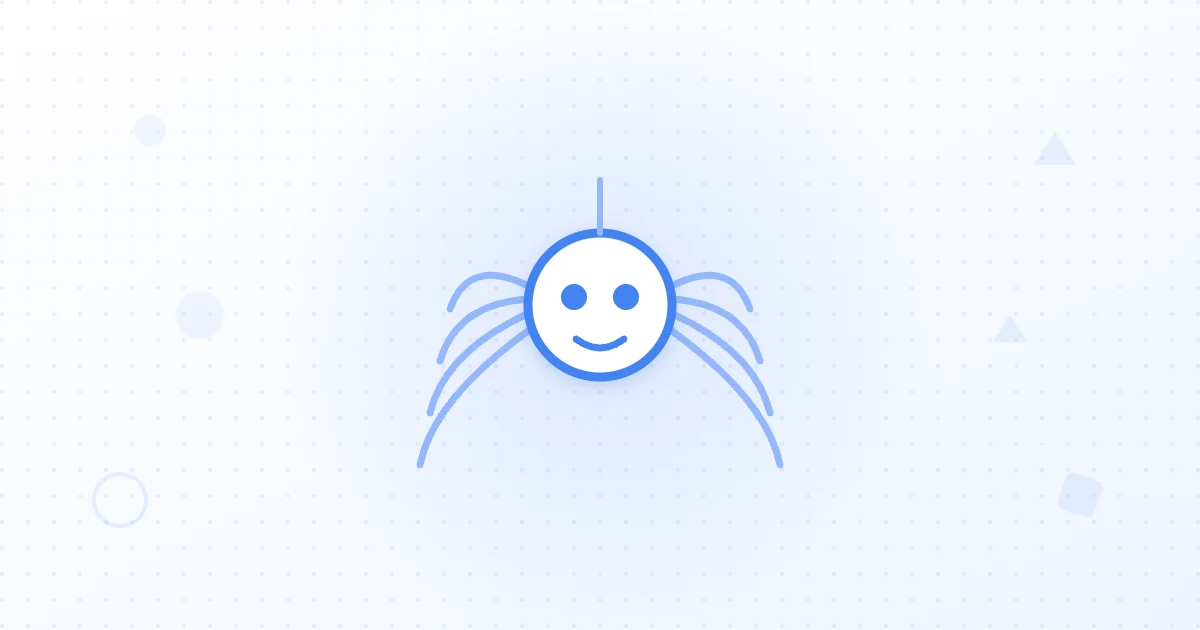

Crawling هو العملية التي تتجول فيها الروبوتات الآلية، المعروفة أيضًا بالعناكب أو الزواحف، عبر الويب لاكتشاف محتوى الصفحات وجلبه. بالنسبة إلى Google، يعني Crawling إيجاد المحتوى وتحليله حتى يمكن عرضه في النتائج، وهي المرحلة الأولى قبل أن يتم فهرسة الصفحة وترتيبها.
بدون Crawling، تكون الصفحة غير مرئية لمحركات البحث وبشكل متزايد لمساعدات AI. إذا لم يتمكن الروبوت من العثور على المحتوى الخاص بكم أو جلبه، فلا يمكنه فهرسته أو الاستشهاد به أو إرسال زيارات إليكم. هذا يجعل من إمكانية الزحف (crawlability) اهتمامًا أساسيًا لأي جهد في SEO أو تحسين المحركات التوليدية.
Crawling هو خطوة الاكتشاف والاسترجاع في كيفية عمل البحث. يقوم الزاحف بجلب صفحة، وقراءة محتواها وروابطها، ووضع أي عناوين URL جديدة يجدها في قائمة الانتظار لجلبها أيضًا. البرنامج الذي تستخدمه Google لهذا الغرض هو Googlebot، المعروف أيضًا بالزاحف أو الروبوت أو البوت أو العنكبوت.
من المهم الفصل بين Crawling والمراحل اللاحقة. يقوم Crawling بإيجاد الصفحات وجلبها، بينما تقوم الفهرسة بتحليلها وتخزينها، ويحدد الترتيب مكانها في النتائج. يمكن أن تخضع صفحة لعملية Crawling دون أن تتم فهرستها، وأن تتم فهرستها دون أن يتم ترتيبها، لذا فإن Crawling ضروري لكنه غير كافٍ أبدًا بمفرده.
تبدأ العملية بالاكتشاف. تجد Google عناوين URL عن طريق زيارة الصفحات المعروفة مجددًا، وتتبع الروابط التي تستخرجها من تلك الصفحات، ومعالجة خرائط الموقع المُرسَلة. عادةً ما تُكتشف الصفحات الجديدة عندما يستخرج زاحف رابطًا من صفحة يعرفها بالفعل، وهذا ما يجعل الربط الداخلي بهذه الأهمية.
بمجرد وضع عنوان URL في قائمة الانتظار، تقوم Googlebot بجلبه وعرض الصفحة (rendering) باستخدام إصدار حديث من Chrome، وتنفيذ JavaScript تمامًا كما يفعل المتصفح. تعد خطوة العرض هذه بالغة الأهمية، لأن العديد من المواقع الحديثة تعتمد على JavaScript لعرض محتوى قد يظل مخفيًا عن الزواحف لولا ذلك. بعد العرض، ينتقل المحتوى نحو التحليل والفهرسة المحتملة.
تشغّل Google في الواقع زاحفين اثنين: Googlebot Smartphone، الذي يتولى قرارات الفهرسة الأساسية ضمن الفهرسة الأولوية للجوال، وGooglebot Desktop في دور مساند. يتشارك كلاهما نفس رمز robots.txt، لذا لا يمكن تعيين قواعد مختلفة لكل منهما.
يتم تحديد مدى زحف الموقع من خلال ميزانية الزحف، التي تتشكل بفعل قوتين. يحدد حد معدل الزحف مدى قوة اتصال Googlebot، بما يتناسب مع سلامة الخادم، بينما يعكس طلب الزحف مدى شعبية الصفحة ومدى قدمها. الزواحف مهذبة عن قصد: إشارات مثل أخطاء HTTP 500 تخبرها بالتباطؤ، وتشهد الخوادم البطيئة أو الكثيرة الأخطاء انخفاضًا في الزحف. يتناول المفهوم المرتبط بـبوت الزحف هذه العناصر بتفصيل أكبر.
لا يتم زحف كل صفحة تُكتشف. يمكن لأصحاب المواقع تقييد الوصول باستخدام robots.txt، الذي يحدد مناطق واسعة ممنوعة الدخول على مستوى الجذر، رغم أنه قابل للعرض علنًا ولا يمنع بحد ذاته الفهرسة إذا ربطت مواقع أخرى بصفحة محظورة. يمكن أيضًا لمتطلبات تسجيل الدخول وأخطاء الخادم ومشاكل الشبكة أن توقف عملية زحف ناجحة.
تعمل عناصر التحكم على مستوى الصفحة بشكل مختلف. تمنع علامة meta robots بقيمة noindex ظهور الصفحة في النتائج دون حظر الزحف نفسه، وتطبق ترويسات HTTP مثل X-Robots-Tag قواعد على ملفات غير HTML مثل PDF. فهم ما تقوم به كل أداة يجنّب الخطأ الشائع المتمثل في حظر الزحف بينما كانت النية فقط حظر الفهرسة.
لم يعد Crawling يقتصر على محركات البحث فقط. تقوم زواحف AI من شركات مثل OpenAI وAnthropic بجلب محتوى الويب لتغذية التدريب والاسترجاع الحي للمساعدات مثل ChatGPT وPerplexity وGemini. إذا لم تتمكن هذه الروبوتات من الوصول إلى صفحاتكم، فلا يمكن الاستشهاد بمحتواكم في إجابات AI.
يضيف هذا بعدًا جديدًا لإدارة الزحف. أصبح السماح لروبوتات معينة أو حظرها، ومراقبة الروبوتات التي تزور الموقع من خلال سجلات زواحف AI، جزءًا من استراتيجية شاملة الآن. إمكانية الوصول ذاتها التي تساعد Googlebot تساعد أيضًا الزواحف التي تغذي البحث التوليدي.
بالنسبة إلى SEO، يُعد Crawling البوابة إلى كل شيء آخر. لا يمكن فهرسة صفحة لم يتم زحفها أو ترتيبها، لذا فإن كفاءة الزحف تحد مباشرة من مدى قدرة موقعكم على المنافسة. يجب على المواقع الكبيرة بشكل خاص إدارة ميزانية الزحف حتى يتم العثور على الصفحات المهمة وتحديثها بسرعة.
بالنسبة إلى تحسين المحركات التوليدية، المنطق نفسه لكن الجمهور يتوسع. تُعد إمكانية الزحف من قِبل روبوتات البحث وAI على حد سواء الشرط المسبق للظهور في النتائج والإجابات التي تولدها AI. تضمن الصحة التقنية القوية واستراتيجية محتوى AI المدروسة وصول الزواحف المناسبة إلى الصفحات المناسبة.
اجعلوا الاكتشاف سهلاً. حافظوا على بنية ربط داخلي نظيفة حتى تتمكن الزواحف من الانتقال من صفحة إلى أخرى، وقدّموا خريطة موقع دقيقة، وتجنبوا الصفحات اليتيمة التي لا يرتبط بها شيء. حافظوا على سرعة أوقات استجابة الخادم، ويُفضّل أن تكون أقل بكثير من نصف ثانية، وقلّلوا من سلاسل إعادة التوجيه (redirects) التي تهدر ميزانية الزحف.
ثم وجّهوا الزواحف عن قصد. استخدموا robots.txt وعلامات meta robots بشكل صحيح، وتعاملوا مع معلمات URL والتنقل متعدد الأوجه (faceted navigation) بشكل نظيف، وراقبوا السلوك عبر Search Console وسجلات الخادم. يضمن الجمع بين هذه النظافة التقنية والبحث المنضبط عن الكلمات المفتاحية وتخطيط المحتوى أن تكون الصفحات التي تريدون زحفها هي أيضًا تلك التي تستحق الترتيب.
Crawling هو الطريقة التي تكتشف بها محركات البحث وأنظمة AI صفحاتكم وتجلبها، متتبعًة الروابط وخرائط الموقع قبل أن تتمكن أي فهرسة أو ترتيب من الحدوث. تعمل Googlebot ونظيراتها من AI ضمن ميزانية زحف وتحترم سلامة الخادم، لذا فإن إمكانية الوصول والنظافة التقنية عاملان حاسمان.
حافظوا على سهولة اكتشاف موقعكم وجلبه، وأديروا التوجيهات بعناية، وتذكروا أن Crawling يغذي الآن كلاً من نتائج البحث وإجابات AI. استكشفوا الخطوة التالية في Crawling والفهرسة والروبوتات التي تقف وراءه في زواحف AI. مصادر مرجعية: Google Search Central وSearch Engine Land.

Crawling هو خطوة الاكتشاف: يجد الروبوت الصفحة ويجلبها عن طريق تتبع الروابط وخرائط الموقع (sitemaps). الفهرسة هي الخطوة التالية، حيث يتم تحليل الصفحة وتخزينها في قاعدة بيانات محرك البحث. يمكن أن تخضع الصفحة لعملية Crawling دون أن تتم فهرستها، لذا فإن Crawling ضروري لكنه لا يضمن ظهور الصفحة في نتائج البحث.
يستخدم Googlebot عملية خوارزمية تحكمها ميزانية الزحف. يحدد حد معدل الزحف مدى قوة الاتصال، بما يتناسب مع سلامة الخادم لديكم، بينما يعكس طلب الزحف مدى شعبية صفحاتكم ومدى حداثتها. الخوادم البطيئة والأخطاء المتكررة تقلل من الزحف، بينما يتم زحف موقع سريع وجيد الترابط مع خريطة موقع (sitemap) نظيفة بكفاءة أكبر.
نعم. تقوم زواحف AI من شركات مثل OpenAI و Anthropic بجلب محتوى الويب لتدريب النماذج واسترجاع المعلومات الحية للمساعدات مثل ChatGPT وPerplexity وGemini. إذا لم تتمكن هذه الروبوتات من الوصول إلى صفحاتكم، فلا يمكن الاستشهاد بمحتواكم في إجابات AI، لذا فإن إمكانية الوصول للزحف تهم الآن كلاً من البحث وتحسين المحركات التوليدية.






.svg)
.svg)