
التفضيلات
خصوصيتك مهمة بالنسبة لنا، لذلك لديك خيار تعطيل أنواع معينة من التخزين التي قد لا تكون ضرورية للوظائف الأساسية للموقع. قد يؤثر حظر الفئات على تجربتك في الموقع. مزيد من المعلومات

خصوصيتك مهمة بالنسبة لنا، لذلك لديك خيار تعطيل أنواع معينة من التخزين التي قد لا تكون ضرورية للوظائف الأساسية للموقع. قد يؤثر حظر الفئات على تجربتك في الموقع. مزيد من المعلومات
حركة AI المظلمة هي زيارات مدفوعة بـ AI تظهر كحركة مباشرة بدون مُحيل (referrer). تعرفوا على سبب حدوث ذلك وكيفية قياسه في GA4.
.webp)
.webp)




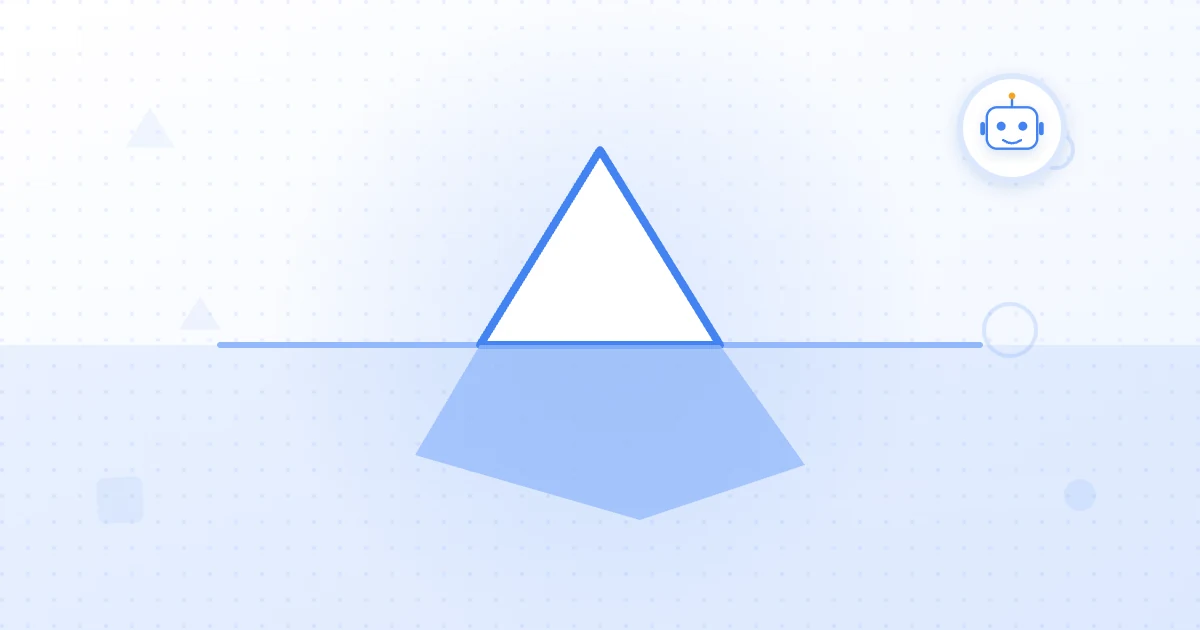

حركة AI المظلمة هي جزء زواركم الذين يصلون لأن مساعد AI أوصى بموقعكم أو استشهد به، لكن مصدرهم يُفقد قبل وصوله إلى تحليلاتكم. بدلاً من إظهار مصدر واضح مثل chatgpt.com، تُسجّل هذه الجلسات كحركة مباشرة، أو بحث بالعلامة التجارية، أو زيارات أخرى غير منسوبة. التأثير حقيقي، والزائر حقيقي، لكن الإسناد مفقود، ولهذا تُسمى مظلمة.
هذا مهم لأنكم لا تستطيعون تحسين ما لا ترونه. مع انتقال المزيد من الاكتشاف إلى مساعدي AI، تختبئ حصة متنامية من أكثر حركتكم قيمة داخل قناتكم المباشرة، مما يدفع الفرق إلى التقليل من قيمة AI كمصدر وسوء فهم مصدر نموهم.
تشير حركة AI المظلمة إلى الزيارات المتأثرة بـ AI التي تصل دون معلومات إحالة مُعرّفة، ولذلك تظهر كحركة مباشرة في أدوات مثل Google Analytics 4. النطاق كبير: في تحليل واحد شمل 446,405 زيارة، هبطت 70.6 بالمئة من حركة AI كحركة مباشرة في GA4، ما يعني أن أداة التحليلات لم تسجل أبداً أن مساعد AI أرسل المستخدم.
إنها شريحة محددة وخفية من حركة الإحالة من AI الأوسع. بينما تمرّر بعض إحالات AI مصدراً واضحاً، فإن الحركة المظلمة هي الجزء الذي لا يفعل ذلك، وتندمج بشكل غير مرئي في القنوات التي لديكم بالفعل. فهم الفرق هو الخطوة الأولى لقياس المساهمة الحقيقية لـ AI.
ثلاث آليات تزيل المصدر قبل وصوله إليكم. الأولى هي سلوك النسخ واللصق: ينسخ العديد من المستخدمين رابط URL من إجابة AI ويلصقونه في متصفحهم بدلاً من النقر عليه، ما لا يرسل أي مُحيل على الإطلاق. الثانية هي تطبيقات الجوال وسطح المكتب، التي تزيل بيئتها المعزولة (sandboxed) رؤوس الإحالة تماماً حتى عندما ينقر المستخدم فعلاً على رابط.
الثالثة هي التمويه المتعمد. يستخدم Google AI Mode، على سبيل المثال، سمة noreferrer في روابطه، مما يجعل تلك الحركة غير قابلة للتتبع في أدوات جانب العميل. تتصرف المنصات أيضاً بشكل غير متسق، فقد تمرّر النسخة الشبكية لأحد المساعدين مُحيلاً بينما لا تفعل نسخة أخرى ذلك. النتيجة واحدة: شخص حقيقي يصل إلى صفحتكم ويصنّفه GA4 ضمن الحركة المباشرة.
تشير الأرقام إلى نقطة عمياء كبيرة ومتنامية. إلى جانب نسبة 70.6 بالمئة التي تهبط كحركة مباشرة، يهيمن ChatGPT على إحالات AI، ويمثل الغالبية العظمى من الزيارات المدفوعة بـ AI في عدة دراسات. جزء كبير من التأثير هو أيضاً بدون نقر (zero click): وجد بحث أن 12 إلى 18 بالمئة فقط من استشهادات Perplexity تؤدي إلى نقرة فعلية، لذا فإن معظم ظهور AI ينتج عنه تعريض للعلامة التجارية دون أي إشارة في التحليلات على الإطلاق.
الحركة التي تصل تكون ذات قيمة استثنائية. تم قياس تحويل حركة AI المظلمة عند 10.21 بالمئة، أي حوالي 4.1 أضعاف معدل الحركة غير المرتبطة بـ AI في نفس مجموعة البيانات، وأفادت Semrush أن الزوار المُحالين عبر AI يحوّلون بمعدل يقارب 4.4 أضعاف معدل الزوار العضويين. التقليل من عدّ هذه القناة يعني التقليل من قيمة بعض أفضل زواركم.
من المفيد الفصل بين فكرتين مترابطتين. تتعلق حركة AI المظلمة بزيارات تحدث فعلاً لكنها منسوبة بشكل خاطئ، أي فجوة قياس على جلسات حقيقية. أما الظهور بدون نقر فيتعلق بتعرّض لا ينتج عنه أي زيارة على الإطلاق، وهو مجال الإسناد بدون نقر. كلاهما غير مرئي في التحليلات القياسية، لكن لأسباب مختلفة.
معاً، تفسران لماذا يمكن أن يبدو AI مؤثراً لكنه يظهر ضعيفاً في لوحات التحكم. قد يرى المستخدم علامتكم التجارية مُستشهداً بها، ولا ينقر أبداً، ثم يصل لاحقاً عبر بحث بالعلامة التجارية ينسبه GA4 إلى الحركة العضوية. مساعد AI قام بالعمل، لكن الفضل يذهب إلى مكان آخر، ولهذا يحتاج الإسناد إلى عدسة أوسع من "آخر نقرة".
إذا لم تتمكنوا من رؤية AI كمصدر، فمن المرجح أنكم ستستثمرون فيه أقل مما ينبغي. الفرق التي تحكم على AI فقط بناءً على القطرات القليلة من الإحالات المنسوبة بوضوح، تفوّت التأثير الأكبر بكثير المختبئ في القنوات المباشرة والعلامة التجارية، وقد تُقلّص بالضبط المحتوى الذي يستشهد به مساعدو AI أكثر من غيره. الاعتراف بالحركة المظلمة يعيد تأطير AI من خطأ تقريب بسيط إلى قناة استراتيجية.
بالنسبة لتحسين محركات التوليد، هذا يغيّر كيفية قياس النجاح. بدلاً من الاعتماد فقط على عدد الإحالات، تجمعون إشارات متعددة لتقدير التأثير الحقيقي لـ AI، وهو العمل العملي لـتحليلات البحث عبر AI. القيام بهذا بشكل صحيح يحمي الميزانية المخصصة للمحتوى الذي يكسب استشهادات وينمّي ظهوركم في البحث عبر AI.
لا توجد طريقة واحدة تلتقط كل شيء، لذا استخدموا نهجاً متعدد الطبقات. في GA4، أنشئوا مجموعة قنوات مخصصة باستخدام regex يطابق نطاقات AI مثل chatgpt.com و perplexity.ai و claude.ai و gemini.google.com و copilot.microsoft.com، ما يلتقط الإحالات المستندة إلى الويب التي تمرر مصدراً بالفعل. هذا يستعيد حصة معتبرة، رغم أن حركة تطبيقات الجوال وحركة AI Mode تبقى غير مرئية.
أضيفوا إشارات من جانب الخادم، لأن السجلات تلتقط الطلبات التي تفوتها التحليلات من جانب العميل. أي زيارة (hit) من عميل ChatGPT-User في سجلات زواحف AI الخاصة بكم تمثل شخصاً حقيقياً يرى محتواكم مُستشهداً به في محادثة مباشرة. أضيفوا أدوات مراقبة الاستشهادات لتتبع الإشارات دون نقرات، واربطوا الارتفاعات في الحركة المباشرة بنشاط AI. الجمع بين هذا وبحث الكلمات المفتاحية وتخطيط المحتوى المنضبط يساعدكم على ربط المحتوى المُستشهد به بالطلب الذي يخدمه.
التحدي الأساسي هو أن الإسناد المثالي مستحيل. تحدث إزالة المُحيل قبل وصول الطلب إليكم، لذا لا يمكن لأي إعداد في GA4 استعادة ما لم يُرسَل أبداً. كل طريقة جزئية: قنوات GA4 تفوّت التطبيقات، وسجلات الخادم تفوّت النية، وأدوات الاستشهاد تفوّت التحويلات. الهدف الصادق هو تقدير يمكن الدفاع عنه، وليس رقماً دقيقاً.
هناك أيضاً خطر الإفراط في التصحيح. ليست كل الحركة المباشرة هي AI، ونسب الكثير جداً إلى المساعدين مضلّل بقدر نسب القليل جداً. عاملوا حركة AI المظلمة كإشارة مُثلّثة من عدة مصادر، وراقبوا الاتجاهات على مدى الوقت بدلاً من الهوس برقم واحد بعينه.
حركة AI المظلمة هي التدفق الحقيقي لكن المنسوب بشكل خاطئ للزوار الذين يرسلهم مساعدو AI إلى موقعكم، ومعظمها يهبط كحركة مباشرة لأن المُحيلات تُزال بواسطة النسخ واللصق، والتطبيقات، وروابط noreferrer. إنها كبيرة وذات معدل تحويل مرتفع وغير مرئية افتراضياً، ما يدفع الفرق إلى التقليل من قيمة AI. الحل هو نهج قياس متعدد الطبقات يجمع بين قنوات GA4 المخصصة وسجلات الخادم وتتبع الاستشهادات للوصول إلى تقدير يمكن الدفاع عنه.
للتعمق أكثر، اربطوا هذا بـحركة الإحالة من AI وتحليلات البحث عبر AI، واستخدموا أدوات البحث وتخطيط المحتوى من Sorank لمواءمة المحتوى المُستشهد به مع الطلب الحقيقي. مصادر مرجعية: Loamly وFoundry.

لأن المصدر يُزال قبل وصول الزيارة إلى GA4. ينسخ العديد من المستخدمين ويلصقون رابط URL من إجابة AI بدلاً من النقر عليه، ما لا يرسل أي مُحيل. تزيل تطبيقات AI للجوال وسطح المكتب رؤوس الإحالة حتى عند النقر، ويستخدم Google AI Mode سمة noreferrer. مع عدم تسجيل أي مصدر، يصنّف GA4 الجلسة كحركة مباشرة.
لا، ليس بشكل كامل. لا يمكن استعادة معلومات الإحالة التي لم تُرسَل أبداً بأي إعداد تحليلات. يمكنكم استعادة حصة معتبرة عبر قنوات مخصصة في GA4 تطابق نطاقات AI، وإضافة تحليل سجلات الخادم لالتقاط عملاء مثل ChatGPT-User، واستخدام أدوات تتبع الاستشهادات. مجتمعة، تعطي هذه تقديراً يمكن الدفاع عنه وليس رقماً دقيقاً.
نعم، غالباً ما تكون أكثر قيمة من المتوسط. في مجموعة بيانات واحدة، حوّلت حركة AI المظلمة بمعدل 10.21 بالمئة، أي حوالي 4.1 أضعاف معدل الحركة غير المرتبطة بـ AI، وأفادت Semrush أن الزوار المُحالين عبر AI يحوّلون بمعدل يقارب 4.4 أضعاف معدل الزوار العضويين. ولأن هؤلاء الزوار يصلون بنية شراء عالية بعد قراءة ملخص، فإن التقليل من عدّهم يعني التقليل من قيمة حركة قوية.








.svg)
.svg)