
التفضيلات
خصوصيتك مهمة بالنسبة لنا، لذلك لديك خيار تعطيل أنواع معينة من التخزين التي قد لا تكون ضرورية للوظائف الأساسية للموقع. قد يؤثر حظر الفئات على تجربتك في الموقع. مزيد من المعلومات

خصوصيتك مهمة بالنسبة لنا، لذلك لديك خيار تعطيل أنواع معينة من التخزين التي قد لا تكون ضرورية للوظائف الأساسية للموقع. قد يؤثر حظر الفئات على تجربتك في الموقع. مزيد من المعلومات
اجعل موقع Magnolia DXP الخاص بك مرئياً لـ Google والبحث بالذكاء الاصطناعي. استخدم قوالب Magnolia و Delivery API و JSON-LD و llms.txt حتى يستشهد ChatGPT و Perplexity و Claude و Gemini بمحتواك.
.webp)
.webp)





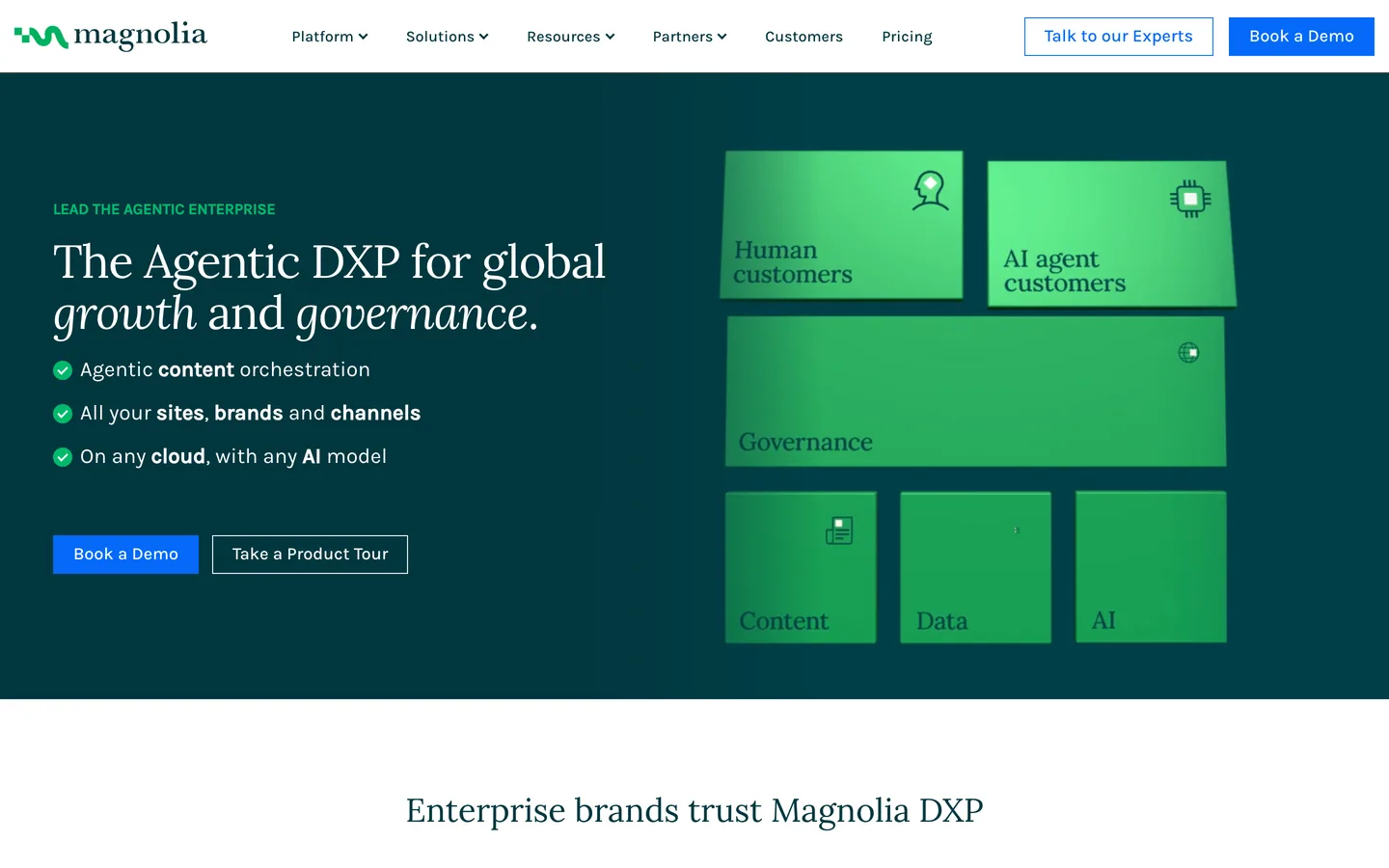



Magnolia هي نظام إدارة محتوى مؤسسي ومنصة تجربة رقمية مبنية على Java، ومع الإعداد الصحيح تصبح قاعدة قوية لـ generative engine optimization (GEO). يسمح لك مستودع المحتوى المنظم والقوالب المرنة بتقديم صفحات نظيفة وسريعة يمكن لمساعدي الذكاء الاصطناعي قراءتها والوثوق بها والاستشهاد بها. ابدأ بـ geo seo audit أساسي وتتبع كل مكسب في geo seo dashboard حي. يوضح هذا الدليل كيفية بناء وعرض والتعليق على Magnolia بحيث يفهم Google والمساعدون مثل ChatGPT و Perplexity و Claude و Gemini صفحاتك ويشيرون إليها.
لا يزال SEO التقليدي يقود حركة المرور، والآن يلخص مساعدو الذكاء الاصطناعي الويب ويعرضون قائمة قصيرة من المصادر. Generative Engine Optimization هي ممارسة أن تصبح أحد تلك المصادر المستشهد بها. Magnolia مصممة للمواقع الكبيرة والمتعددة العلامات: يعيش المحتوى في مستودع منظم، وتجمّع القوالب الصفحات من مناطق ومكونات، ويمكن لـ Delivery API كشف نفس المحتوى لـ front ends لـ headless. يمنح هذا الفصل النظيف بين المحتوى والعرض النماذج كيانات محددة جيداً لرسم علامتك ومنتجاتك وخبرتك.
ابدأ بمعيار مرجعي. اطرح على المساعدين الرائدين الأسئلة الحقيقية التي يطرحها جمهورك، ثم سجّل ما إذا كنت مذكوراً، وأي عناوين URL تظهر، وكيف يُشار إلى المنافسين. تتبع إشارات العلامة التجارية مع ai mention tracking، وراجع المصادر التي تكسبها عبر ai cited backlinks، وشغّل geo seo audit أساسياً لرسم الكيانات المرتبطة بالفعل بنطاقك.
في GEO، تأخذ نية المستخدم شكل مطالبات. اجمع الصياغة الدقيقة التي يستخدمها الناس في الدردشة والصوت، ثم جمّعها حسب المهمة: التعلم والمقارنة والقرار والحل. وسّع التغطية مع query fan-out tool ورتّب أولويات المواضيع مع keyword research. لكل مجموعة، اختر صفحة قانونية واحدة للاستشهاد بها، واجعلها موجزة وقابلة للاقتباس ومدعومة بأدلة واضحة.
تنمذج Magnolia الصفحات كقوالب مكوّنة من مناطق ومكوّنات، وتخزّن البيانات القابلة للإعادة الاستخدام في تطبيقات المحتوى. عرّف أنواعاً منظمة لمقال ومنتج و FAQ ومؤلف ومعجم، واربط حقولها بخصائص schema.org مثل name و description و image و datePublished و author و brand. نظراً لأن Magnolia تحفظ المحتوى مفصولاً عن التخطيط، تغذي نفس الحقائق القانونية كل قناة باتساق. هذه البنية هي بالضبط ما تحتاجه زواحف الذكاء الاصطناعي لربط مواضيعك في رسم معرفة متماسك.
استخدم وحدات وقوالب خفيفة لفرض أنماط جيدة. ابنِ مكوّن FAQ قابل للإعادة الاستخدام وقائمة خطوات HowTo وكتلة مؤلف مع الاعتمادات، ثم دع المحررين يجمّعون الصفحات من هذه الكتل. أرفق فئات ووسوم بحيث يرتبط المحتوى ذو الصلة بشكل طبيعي. عندما تشير الكيانات إلى بعضها بطريقة نظيفة، يستنتج المساعدون الخبرة والسياق، مما يرفع فرص اقتباسك للسؤال الدقيق الذي يطرحه المستخدم.
يمكن لـ Magnolia عرض الصفحات من جانب الخادم مع قوالب FreeMarker أو تقديم المحتوى headless عبر Delivery API إلى framework مثل React أو إنشاء ساكن. في أي حالة، تأكد من أن العلامات التي تتلقاها زواحف الذكاء الاصطناعي تحتوي على النص الكامل. للإنشاءات headless، فضّل العرض من جانب الخادم أو التوليد الساكن حتى يصل المحتوى في HTML الأولي بدلاً من بعد hydration من جانب العميل. حافظ على قوالب دلالية، مع H1 واحد لكل صفحة وترتيب عناوين منطقي.
دع Magnolia تتعامل مع الوسائط جيداً. استخدم عرض الصور damfn لتوصيل مرئيات بالحجم الصحيح تُحمّل بسرعة، وأعط كل صورة alt text وصفي يسمي الموضوع. اعرض القوائم والجداول والتعريفات كـ HTML حقيقي بدلاً من صور النص، لأن المساعدين يقرؤون العلامات وليس البكسلات. الصفحات النظيفة والمبنية جيداً تُحمل بسرعة وتُحلل بموثوقية، مما يحافظ على Google وزواحف الذكاء الاصطناعي في صفك.
أضف حقول بيانات وصفية إلى قوالب الصفحة: عنوان دقيق ووصف meta واضح وعنوان URL نظيف يتضمن الكيان الرئيسي. استخدم علامات canonical لتوحيد التكرارات، وطبّق قواعد meta robots لإبقاء الصفحات الرقيقة أو المُفلترة خارج الفهرس. تتيح لك ميزات multisite و multi-language في Magnolia إدارة هذه العلامات لكل موقع ولكل locale. تأكد من أن علامات Open Graph تتطابق مع نية الصفحة والنص المرئي، حتى تظل المعاينات وملخصات الذكاء الاصطناعي دقيقة.
اعرض JSON-LD من نموذج القالب الخاص بك حتى تتطابق البيانات المنظمة دائماً مع الصفحة المرئية. أخرج Article بالإضافة إلى WebPage و BreadcrumbList على صفحات التحرير، و Product مع offers على صفحات التجارة، و HowTo للبرامج التعليمية، و FAQPage لكتل الأسئلة. أضف كتلة Organization على مستوى الموقع مع logo و contactPoint و foundingDate وروابط sameAs إلى ملفاتك التعريفية المتحقق منها. نظراً لأن القيم تأتي من حقول المحتوى، تبقى كل صفحة متسقة وقابلة للقراءة بواسطة الآلات عبر مواقع Magnolia الخاصة بك.
قد كل صفحة بملخص من جملتين يذكر الإجابة، ثم امتد بمخطط قابل للمسح. أبقِ الفقرات أقل من 120 كلمة واكتب كتل أسئلة وإجابات صريحة تعكس مطالبات حقيقية. يجب أن تجلس كل إجابة بين 50 و 120 كلمة، وتستشهد بعنوان URL الداخلي ذي الصلة، وتتضمن مصدراً خارجياً موثوقاً واحداً. للإجراءات، اذكر المواد والخطوات والوقت المطلوب حتى تكون كتلة HowTo سهلة العرض.
حافظ على sitemap.xml نظيف وقدّمه في Google Search Console؛ يمكنك توليد خرائط موقع من محتوى Magnolia أو من الـ front end الخاص بك. في robots.txt، اسمح بالأدلة التي تحتوي على محتوى قابل للاقتباس واحظر الضجيج الداخلي. أضف ملف llms.txt في الجذر للإشارة إلى قواعد الزحف المفضلة لوكلاء الذكاء الاصطناعي، وعناوين URL ذات الأولوية للاقتباس، وشروط إعادة الاستخدام. تمنح هذه الملفات الصغيرة المساعدين خريطة واضحة لما هو مهم في موقعك.
ابنِ مراكز مواضيع تجمع المحتوى ذا الصلة وتحدد إجاباتك القانونية. استخدم breadcrumbs للتعبير عن التسلسل الهرمي وأضف روابط سياقية مع anchors وصفية، معززة بـ topical cluster generator. إذا كانت أجزاء أخرى من المكدس الخاص بك تعمل في مكان آخر، طبّق نفس المبادئ على adobe experience manager و liferay dxp و wordpress.
لا يزال GEO يعمل على السلطة. اكسب اقتباسات من منشورات موثوقة وأبحاث أولية ومجتمعات متخصصة. انشر تحت خبراء مسمّين، واعرض بيانات اعتماد المراجعين، واحتفظ بسير المؤلفين وصفحة About التي تعزز E-E-A-T. تتبع التقدم مع domain authority tracker وشاهد أي مصادر يقتبسها المساعدون في الغالب.
تتعامل Magnolia مع العديد من المواقع واللغات من مثيل واحد، وهذه ميزة حقيقية لـ GEO عبر الأسواق. أعط كل لغة بنية URL نظيفة، وعيّن خصائص اللغة الصحيحة، وترجم أسماء الكيانات و FAQs التي يقتبسها المساعدون. أعد استخدام القوالب وتطبيقات المحتوى المشتركة حتى تظل البنية متسقة عبر المناطق بينما تتكيف الصياغة. عند نشر صفحات دقيقة ومنظمة جيداً في كل سوق، يمكن للمساعدين الاستشهاد بالإجابة المحلية الصحيحة للجمهور الصحيح.
يركز مودول REST في Magnolia على التوصيل، لذلك فإن كتابة المقالات في محتواها ليس متاحاً جاهزاً. تتعامل Sorank مع هذا بمدونة مستضافة ذاتياً: تنشر وتستضيف مقالات SEO المحسّنة على مدونة تديرها Sorank، في نطاق فرعي أو مجلد فرعي خاص بك، تربط من تنقل Magnolia، مع ربط داخلي كامل. تحصل على مدونة متمتمتة تماماً وقابلة للفهرسة دون مقاومة API مركز التوصيل في Magnolia. أنتج مسودات محسّنة بسرعة مع blog article generator، ثم وجّه روابط داخلية من صفحات Magnolia الرئيسية لديك إلى المقالات المستضافة حتى تتدفق السلطة عبر كامل النطاق.
تتبع أي مطالبات تُشغّل علامتك، وأي صفحات تُستشهد بها، وأين يفوز المنافسون. قارن نفسك مع seo competitor spy، وشاهد ترتيبك على geo leaderboard، وانسب التحويلات من المساعدين بصفحات هبوط موسومة و UTMs فريدة. تعامل مع GEO كحلقة: قس وعدّل نموذج المحتوى، وانشر مجدداً. تسهّل Magnolia تحديث القوالب مرة واحدة وطرح تحسينات عبر كل صفحة.
راقب الأسئلة التي تكاد تحتل مرتبة فيها. عندما يستشهد مساعد بمنافس لمطالبة تستهدفها، افتح تلك الصفحة، واشحذ الإجابة، وأضف إدخال FAQ دقيقاً، وعزّز الأدلة الداعمة. تتراكم التعديلات الصغيرة والمتكررة على الصفحات الصحيحة إلى اقتباسات دائمة. نظراً لأن Magnolia تمركز المحتوى والقولبة، تُنشر كل إصلاح تقوم به باتساق، بحيث تستمر مكاسبك بدلاً من التلاشي بعد تحديث واحد.
تمنحك Magnolia بنية محتوى على مستوى مؤسسي وتوصيل headless؛ ويمنحك GEO الاستراتيجية. عندما يكشف موقعك عن كيانات واضحة وبيانات وصفية دقيقة وأدلة موثوقة، يستشهد بك المساعدون بثقة. أعد قوالب منظمة وعرضاً سريعاً و JSON-LD وإجابات قابلة للاقتباس، ثم دع Sorank يقود عمليات التدقيق ومدونة مستضافة وروابط من مكان واحد. مع منصة منظمة وحلقة GEO منضبطة، تكسب صفحاتك مكاناً ثابتاً داخل الإجابات التي يقرأها عملاؤك كل يوم.

Magnolia تؤدي بشكل جيد لـ GEO لأنها CMS مؤسسي منظم وذو قدرة headless. يعيش المحتوى في مستودع وتجمّع القوالب الصفحات من مناطق ومكوّنات، لذا توجد المنتجات والمقالات والمؤلفون ككيانات نظيفة يمكن لزواحف الذكاء الاصطناعي رسمها. تكشفها بعناوين دقيقة و meta descriptions و JSON-LD معروض من نموذج القالب الخاص بك. سواء كنت تعرض من جانب الخادم مع FreeMarker أو تقدم headless عبر Delivery API، احتفظ بالنص الكامل في HTML الأولي، أنشئ sitemap.xml، وأضف ملف llms.txt. مع هذا الإعداد، يمكن للمساعدين مثل ChatGPT و Perplexity و Claude و Gemini الوصول إلى محتواك والاستشهاد به.
اكتب محتوى answer-first مخططاً لمطالبات حقيقية. ابدأ كل صفحة بملخص من جملتين، ثم مخطط قابل للمسح، وأبقِ الفقرات أقل من 120 كلمة. استخدم تسلسلاً هرمياً صارماً للعناوين وكتل FAQ صريحة بإجابات من 50 إلى 120 كلمة وقسم حقائق واضح. استند بكل ادعاء إلى مصدر وأضف JSON-LD (Article و FAQPage و HowTo و Organization) معروضاً من نموذج القالب الخاص بك. تتيح لك Magnolia بناء مكوّنات قابلة للإعادة الاستخدام لهذه الأنماط مرة واحدة وإعادة استخدامها عبر كل موقع، مما يشير إلى العمق الموضوعي الذي تعترف به النماذج كسلطة وتستشهد به في إجاباتها.
يركز مودول REST في Magnolia على التوصيل، لذلك فإن دفع المقالات إلى محتواها ليس متاحاً جاهزاً. تتعامل Sorank مع هذا بمدونة مستضافة ذاتياً: تنشر وتستضيف مقالات SEO المحسّنة على مدونة تديرها Sorank، في نطاق فرعي أو مجلد فرعي خاص بك، تربط من تنقل Magnolia، مع ربط داخلي كامل. بالإضافة إلى النشر، تُشغّل Sorank عمليات تدقيق GEO و SEO مخصصة لموقعك، وتتبع إشارات الذكاء الاصطناعي عبر ChatGPT و Perplexity و Claude و Gemini، وتراقب المنافسين، وتقترح تحسينات من لوحة تحكم واحدة، بحيث يستمر كامل النطاق في كسب الظهور.







.svg)
.svg)