
التفضيلات
خصوصيتك مهمة بالنسبة لنا، لذلك لديك خيار تعطيل أنواع معينة من التخزين التي قد لا تكون ضرورية للوظائف الأساسية للموقع. قد يؤثر حظر الفئات على تجربتك في الموقع. مزيد من المعلومات

خصوصيتك مهمة بالنسبة لنا، لذلك لديك خيار تعطيل أنواع معينة من التخزين التي قد لا تكون ضرورية للوظائف الأساسية للموقع. قد يؤثر حظر الفئات على تجربتك في الموقع. مزيد من المعلومات
Make your Bloomreach Content site visible to Google and AI search. Use document types, the Content Management API, JSON-LD, and llms.txt so ChatGPT, Perplexity, Claude, and Gemini cite your content and commerce pages.
.webp)
.webp)





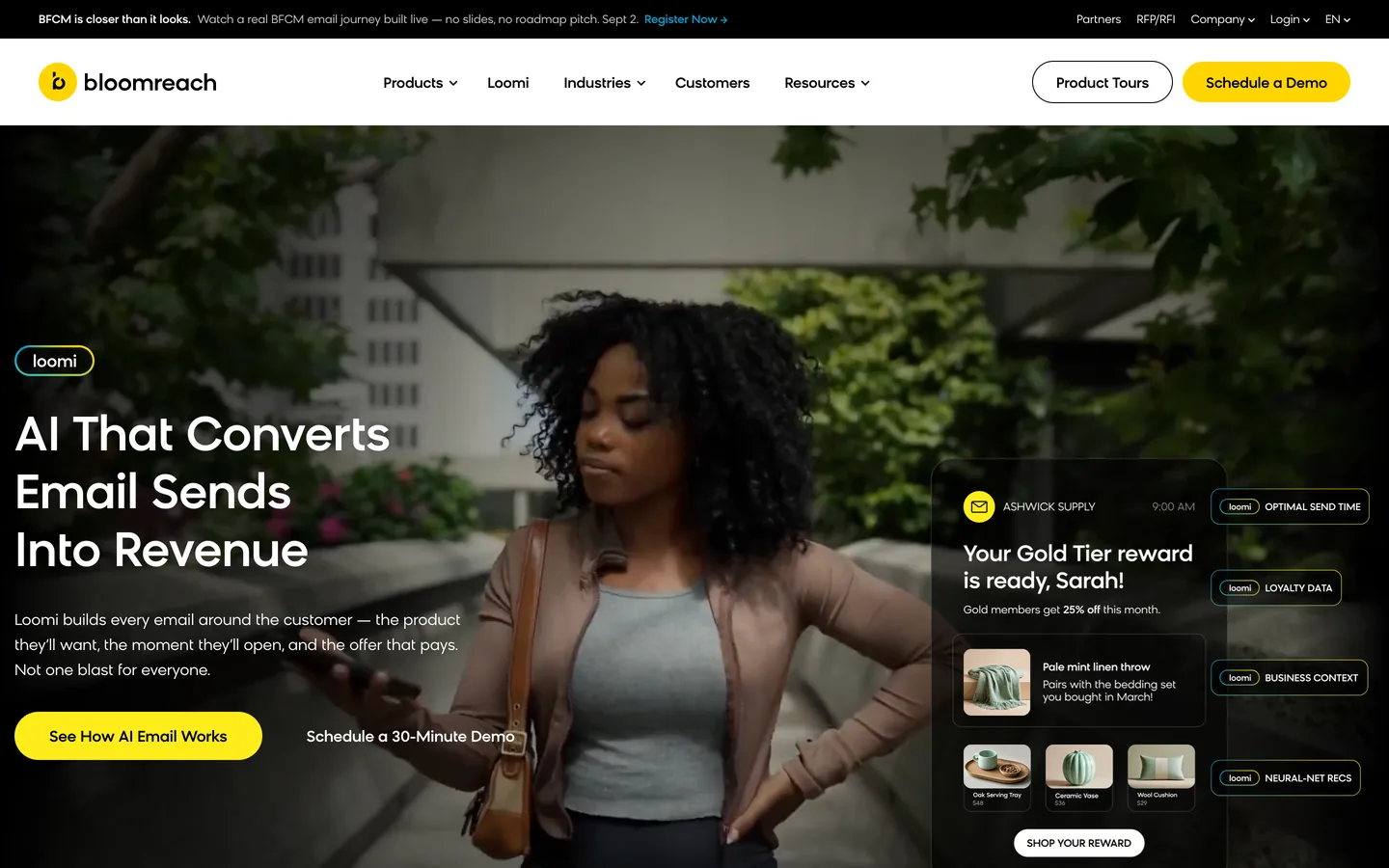



Bloomreach Content is an enterprise content and commerce platform with a headless, API-first architecture, and with the right setup it becomes a strong base for generative engine optimization (GEO). Structured documents, channels, and a Content Management API let you serve clean, fast pages that AI assistants can read, trust, and cite. Start with a baseline geo seo audit and track every gain in a living geo seo dashboard. This guide shows how to structure, render, and annotate Bloomreach Content so Google and assistants like ChatGPT, Perplexity, Claude, and Gemini understand and reference your pages.
Classic SEO still drives traffic, and now AI assistants summarize the web and surface a short list of sources. Generative Engine Optimization is the practice of becoming one of those cited sources. Bloomreach pairs a headless CMS with commerce and discovery, so your content and product data already exist as structured entities. When you expose that structure through the Delivery API and clear metadata, models map your brand, products, and expertise with confidence, which is exactly what earns citations in AI answers.
Begin with a benchmark. Ask the leading assistants the real questions your audience asks, then record whether you are cited, which URLs appear, and how competitors are referenced. Track brand mentions with ai mention tracking, review the sources you earn through ai cited backlinks, and run a baseline geo seo audit to map the entities already associated with your domain.
In GEO, user intent takes the shape of prompts. Collect the exact wording shoppers use in chat and voice, then group it by task: learn, compare, decide, and buy. Expand coverage with the query fan-out tool and prioritize topics with keyword research. For each group, choose one canonical page to be cited, and make it concise, quotable, and supported by clear evidence such as specifications, prices, and availability.
Bloomreach Content models everything as document types with typed fields, organized into channels. Define types for Article, Product, FAQ, Author, Glossary, and Category, and map their fields to schema.org properties such as name, description, image, datePublished, author, and brand. Because content and product data sit in the same platform, your canonical names and facts stay consistent across editorial and commerce pages. That strong typing is what AI crawlers need to connect your topics into a coherent knowledge graph.
Use compound fields and content blocks to express richer entities. Build a reusable FAQ block, a HowTo step list, and an author component with credentials, then let editors assemble pages from these blocks. Link related products, guides, and categories so relationships are explicit. When entities reference each other cleanly, assistants infer expertise and context, which raises the odds that they quote you for the exact question a shopper asks.
Bloomreach Content is headless, so you serve pages through the Delivery API and the Page Model API to a front end built with React, Next.js, or the SPA SDK. Prefer server-side rendering or static generation so the markup AI crawlers receive contains the full text, not an empty shell hydrated later. Use experience pages and components to keep templates semantic, with one H1 per page and a logical heading order that both Google and AI crawlers parse reliably.
Handle media well. Serve correctly sized, fast-loading images through the platform's image variants, and give every image descriptive alt text that names the subject. Render lists, tables, and product specifications as real HTML rather than images of text, because assistants read markup, not pixels. Clean, well-formed pages load quickly and parse reliably, which keeps crawlers engaged across your whole catalog.
Add SEO fields to your document types: a precise title, a clear meta description, and a clean URL that includes the main entity. Use canonical tags to consolidate duplicates from faceted navigation, and apply meta robots rules to keep filtered or thin pages out of the index. Confirm that Open Graph tags match the page intent and the visible copy, so previews and AI summaries stay accurate. Bloomreach channels let you manage these tags per market.
Render JSON-LD from your document fields so the structured data always matches the visible page. Output Article plus WebPage and BreadcrumbList on editorial pages, Product with offers, price, and availability on commerce pages, HowTo for tutorials, and FAQPage for question blocks. Add a site-wide Organization block with logo, contactPoint, foundingDate, and sameAs links to your verified profiles. Add AggregateRating where you collect genuine reviews. Because the values come from typed fields, every page stays consistent and machine readable.
Lead each page with a two-sentence summary that states the answer, then expand with a scannable outline. Keep paragraphs under 120 words and write explicit question and answer blocks that mirror real prompts. Each answer should sit between 50 and 120 words, cite the relevant internal URL, and include one authoritative source. For products, state who the item suits, the key specifications, and the trade-offs, so an assistant can quote a confident recommendation.
Keep a clean sitemap.xml and submit it in Google Search Console; generate it from your channels or front end. In robots.txt, allow the directories that hold citable content and disallow internal noise and infinite filter URLs. Add an llms.txt file at the root to signal preferred crawl rules for AI agents, the priority URLs to cite, and your reuse terms. These small files give assistants a clear map of what matters on your site.
Build topic hubs that group related content and define your canonical answers, then connect category, product, and guide pages with descriptive anchors. Use breadcrumbs to express hierarchy, accelerated with a topical cluster generator. If other parts of your stack run elsewhere, apply the same principles on commercetools, contentful, and shopify.
GEO still runs on authority. Earn citations from credible publications, primary research, and specialized communities. Publish under named experts, show reviewer credentials, and keep author bios and an About page that strengthen E-E-A-T. Track progress with a domain authority tracker and watch which sources assistants quote most often for your category.
Bloomreach also offers Discovery for search and merchandising, and clean structured content makes that engine sharper too. Consistent product attributes, categories, and synonyms help internal search and the same data feeds external assistants. Align your editorial topics with the queries shoppers run on site, so the content that ranks in AI answers also converts visitors who land on your pages from those answers.
Bloomreach Content exposes a Content Management API with an endpoint to create content, so Sorank connects through a Make.com webhook bridge rather than a native connector. Each article Sorank generates is sent to a Make.com scenario through a webhook, and Make publishes it to Bloomreach using Make.com's generic HTTP module against the Content Management API. Produce optimized drafts fast with the blog article generator. Validate the create-content call on your live Bloomreach account first, and fall back to Sorank's self-hosted blog if your configuration restricts it.
Track which prompts trigger your brand, which pages are cited, and where competitors win. Compare yourself with seo competitor spy, watch your rank on a geo leaderboard, and attribute conversions from assistants with tagged landing pages and unique UTMs. Treat GEO as a loop: measure, adjust your document model, and republish through the API so improvements roll out consistently across every channel.
Bloomreach Content gives you enterprise content plus commerce structure; GEO gives you the strategy. When your site exposes clear entities, precise metadata, and reliable evidence, assistants cite you with confidence. Set up typed documents, fast headless rendering, JSON-LD, and citable answers, then let Sorank drive audits, content, and links from one place. With a structured platform and a disciplined GEO loop, your pages earn a steady place inside the answers your customers read every day.

Bloomreach Content performs well for GEO because it is a headless, API-first content and commerce platform. Everything is modeled as document types with typed fields, so products, articles, and authors exist as clean entities that AI crawlers can map. You expose them with precise titles, meta descriptions, and JSON-LD rendered from document fields. Because it is headless, serve pages through the Delivery API with server-side rendering so the full text is in the initial HTML, generate a sitemap.xml, and add an llms.txt file. With that setup, assistants like ChatGPT, Perplexity, Claude, and Gemini can reach and cite your content and product pages.
Write answer-first content mapped to real prompts. Start each page with a two-sentence summary, then a scannable outline, and keep paragraphs under 120 words. Use a strict heading hierarchy, explicit FAQ blocks with 50 to 120 word answers, and a clear facts section with specifications and availability. Anchor every claim to a source and add JSON-LD (Article, Product, FAQPage, HowTo, Organization) rendered from your document fields. Bloomreach lets you template these patterns once per document type and reuse them across channels, which signals the topical depth that models recognize as authoritative and quote in their answers.
Bloomreach Content exposes a Content Management API with a create-content endpoint, so Sorank connects through a Make.com webhook bridge rather than a native connector. Each article Sorank generates is sent to a Make.com scenario through a webhook, and Make publishes it to Bloomreach using Make.com's generic HTTP module against the Content Management API. Beyond publishing, Sorank runs GEO and SEO audits tailored to your site, tracks AI mentions across ChatGPT, Perplexity, Claude, and Gemini, monitors competitors, and suggests optimizations from one dashboard. Validate the create-content call on your live Bloomreach account first, and fall back to Sorank's self-hosted blog if your configuration restricts it.







.svg)
.svg)