設定
当社はプライバシーを重視しており、ウェブサイトの基本機能に必要のない特定のストレージを無効にするオプションを提供しています。カテゴリーをブロックすると、ウェブサイトでの体験に影響が出る可能性があります。詳細はこちら

当社はプライバシーを重視しており、ウェブサイトの基本機能に必要のない特定のストレージを無効にするオプションを提供しています。カテゴリーをブロックすると、ウェブサイトでの体験に影響が出る可能性があります。詳細はこちら

YMYL(Your Money or Your Life)とは、健康、お金、安全に影響しうるコンテンツです。Google がそれを厳しく審査する理由と、最適化の方法を学びましょう。








Summary
YMYL, short for Your Money or Your Life, is Google's label for content that could significantly affect a person's health, finances, safety, or society's well-being, and which it holds to a much higher quality and trust standard.
出典
YMYL stands for Your Money or Your Life, and it refers to content that can meaningfully impact a person's health, finances, safety, or well-being. Google introduced the concept in 2013 in its Search Quality Rater Guidelines to flag topics where inaccurate or untrustworthy information could cause real harm. For these pages, the bar for quality, accuracy, and credibility is set far higher than for ordinary content.
This matters because YMYL pages are judged against a stricter standard, and getting it wrong has consequences. Pages with the lowest quality ratings on these topics can lose visibility after algorithm updates. As AI engines increasingly summarize and cite content, that same caution carries over: high-stakes answers demand sources that are demonstrably trustworthy.
YMYL describes any topic that could significantly impact someone's financial stability or health, or society's welfare. The harm can come two ways: the topic itself may be dangerous, such as self-harm or violent extremism, or the topic may be safe in principle but harmful if the information is wrong, such as a medication dosage or tax advice. Either way, accuracy is not optional.
Crucially, YMYL exists on a spectrum. Some topics clearly qualify, a cancer treatment guide or a retirement-savings plan, while others clearly do not, like a recipe or a movie review. Many sit in between, and Google's raters judge how much a given page could affect a person's life when deciding how strictly to evaluate it.
Google groups YMYL into a few broad areas. Health or safety covers medical conditions, treatments, nutrition, fitness, and personal safety. Financial security covers banking, loans, investments, insurance, cryptocurrency, and taxes. Society covers government information, legal services, civic participation, and news affecting public welfare. A catch-all category captures other high-impact topics that do not fit neatly elsewhere.
The scope has expanded over time. Since September 2025, the guidelines explicitly include civic information, from voting procedures to content that affects trust in institutions. This reflects a broader view of harm: misinformation that undermines public welfare is now treated with the same seriousness as a dangerous medical claim.
YMYL and E-E-A-T are inseparable. E-E-A-T, which stands for experience, expertise, authoritativeness, and trustworthiness, is the framework Google's raters use to judge credibility, and Google gives it even more weight on YMYL topics. The reasoning is direct: when the consequences of bad information are severe, the source must be demonstrably qualified and trustworthy.
Within that framework, trust is the most important element. A page can appear experienced, expert, and authoritative, but if it lacks trust, its E-E-A-T is low regardless. For YMYL specifically, raters focus on accuracy and preventing harm, checking that content aligns with well-established expert consensus rather than fringe or unsupported claims. Strong author authority is therefore central to performing on these topics.
The justification is harm reduction. A misleading article about a hobby is a minor annoyance, but a misleading article about drug interactions or loan terms can damage someone's health or finances. Because the stakes are higher, Google applies stricter scrutiny and rewards content that is accurate, current, and clearly sourced.
This is not a single direct ranking factor but an influence that shapes algorithmic decisions over time. Pages that earn the lowest quality ratings on YMYL topics are candidates for reduced visibility when updates roll out. In effect, YMYL raises the cost of thin or unverified content and rewards genuine content authority and reliable content quality signals.
Optimization works at two levels. At the site level, establish credibility: a comprehensive About page, accessible contact information, author and leadership biographies, clear privacy policies and disclaimers, disclosed monetization relationships, and solid security. At the page level, ensure factual accuracy with current data, avoid clickbait and unsupported claims, and cite authoritative sources such as peer-reviewed research or reputable publications.
Beyond that, show your work. Disclose contributor credentials and fact-checking processes, add original examples and graphics, and implement relevant structured data. Hiring writers with real, in-depth experience in the field, and displaying their bylines and bios prominently, signals the expertise raters look for. Pairing this with disciplined keyword research and content planning ensures you answer high-stakes questions thoroughly and accurately.
Generative AI changes the YMYL calculus in two ways. First, AI can assist with research workflows, outlines, and source gathering, but all AI-generated YMYL content requires human expert review. Direct copying or unreviewed paraphrasing risks both inaccuracy and a low-quality rating, and unchecked AI hallucination could produce harmful medical, financial, or safety advice.
Second, AI engines are cautious on these very topics. Industry data has shown AI Overviews appearing in only a small fraction of health queries and close to none of finance queries at points in time, reflecting how carefully these systems treat high-stakes subjects. For publishers, the lesson is that demonstrable expertise and trust are the price of entry for visibility in YMYL, in both classic search and generative answers.
YMYL standards apply most directly to sites in medicine, finance, law, insurance, and news, where nearly all content carries real-world consequences. A health publisher, a fintech blog, a legal-services firm, or a news outlet operates almost entirely within YMYL and must build credibility into every page. For these organizations, E-E-A-T is not a tactic but a baseline requirement.
Even sites outside these industries encounter YMYL on specific pages. An e-commerce store that publishes safety guidance, or a lifestyle site that covers supplements, crosses into YMYL on those topics. Recognizing which of your pages are high-stakes, and applying stricter standards there, is the practical takeaway for almost any publisher.
YMYL is demanding because it raises the cost of every page. Producing accurate, expert-reviewed, well-sourced content takes more time and often requires qualified contributors, which is expensive. Smaller sites can struggle to compete against established authorities that already carry strong reputations in a field.
There is also no precise checklist. Because YMYL operates on a spectrum and influences rankings indirectly, you cannot point to a single switch that fixes it. The reliable approach is to treat trust and accuracy as ongoing commitments, building credibility signals across the whole site rather than chasing a quick fix, and accepting that high-stakes topics simply demand higher investment.
YMYL is Google's label for content that can affect health, finances, safety, or society, and it triggers a stricter standard built around E-E-A-T, with trust as the decisive element. For publishers in high-stakes fields, the path forward is concrete: accurate, current, expert-reviewed content, transparent credentials and sourcing, and strong site-level trust signals. The same rigor that satisfies Google's raters also earns the confidence of cautious AI engines.
To go further, connect this with E-E-A-T and helpful content, and use Sorank's research and content planning tools to cover high-stakes questions with the depth they require. Reference sources: Search Engine Land and Positional.

YMYL は Your Money or Your Life の略です。人の健康、お金、安全、または社会の幸福に大きく影響しうるコンテンツを指す Google の用語です。Google は 2013 年に検索品質評価ガイドラインでこれを導入し、こうしたトピックの不正確な情報は実害を生みうるので、これらのページに正確さ、専門性、信頼についてはるかに高い基準を課しています。
主なカテゴリーは、病気や栄養などの健康や安全、ローン、投資、税金などの経済的な安定、そして行政、法律、市民生活の情報などの社会です。2025 年 9 月以降、このカテゴリーには投票の手続きなどの市民生活のコンテンツも明示的に含まれています。YMYL には幅があり、明らかに当てはまるトピックもあれば、明らかに当てはまらないものもあり、多くはその中間にあります。
サイトとページの両方の単位で信頼性を築きましょう。明確な会社概要ページ、連絡先、著者の経歴、免責事項を加え、収益化があれば開示します。各ページでは、最新のデータで事実の正確さを確保し、査読付きの研究などの権威ある情報源を引用し、資格が示された本物の専門性を持つ書き手を起用します。AI を活用したコンテンツでは、有害な誤りを防ぐために必ず人の専門家の確認を求めましょう。
先行導入企業のご紹介
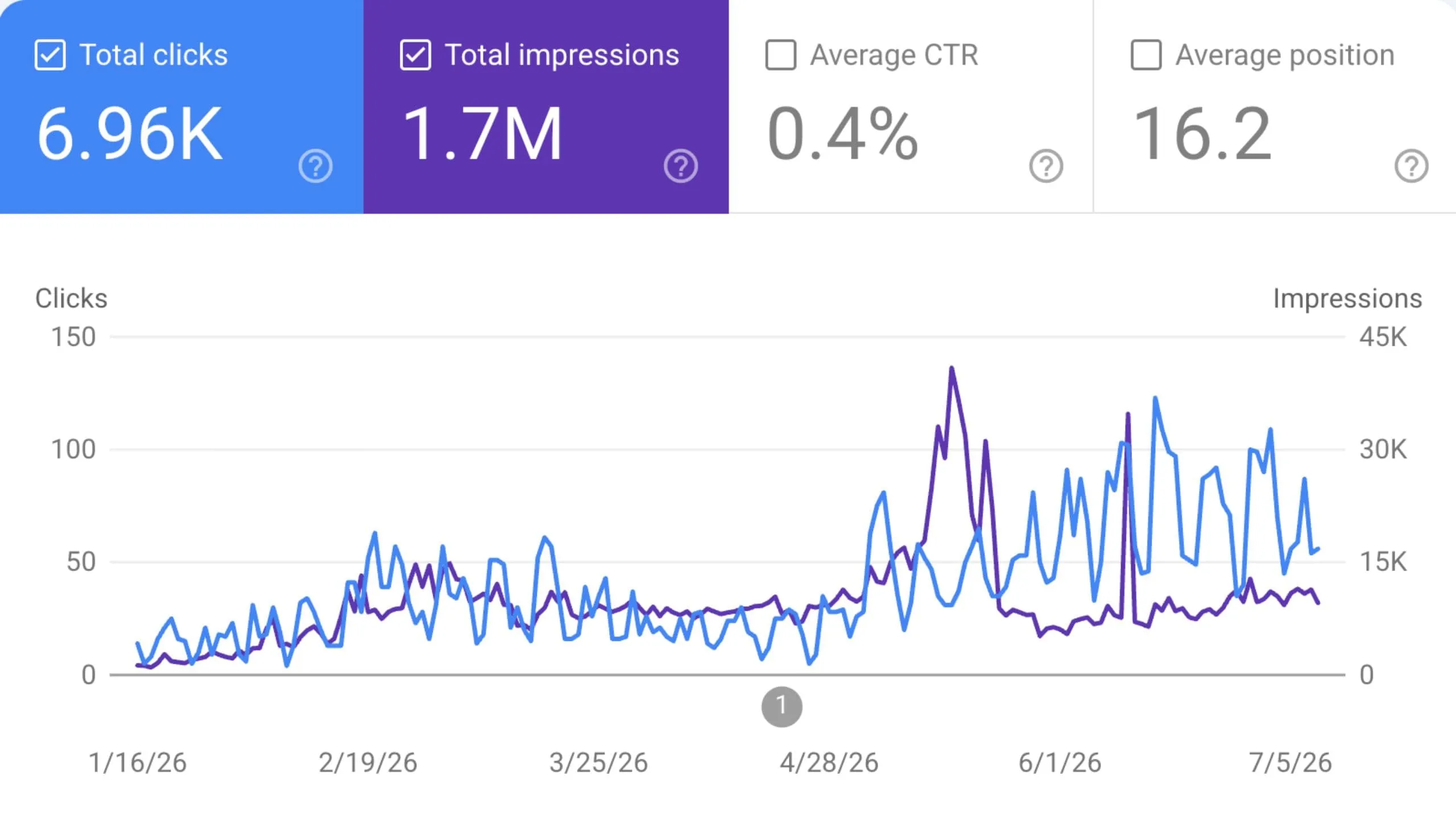
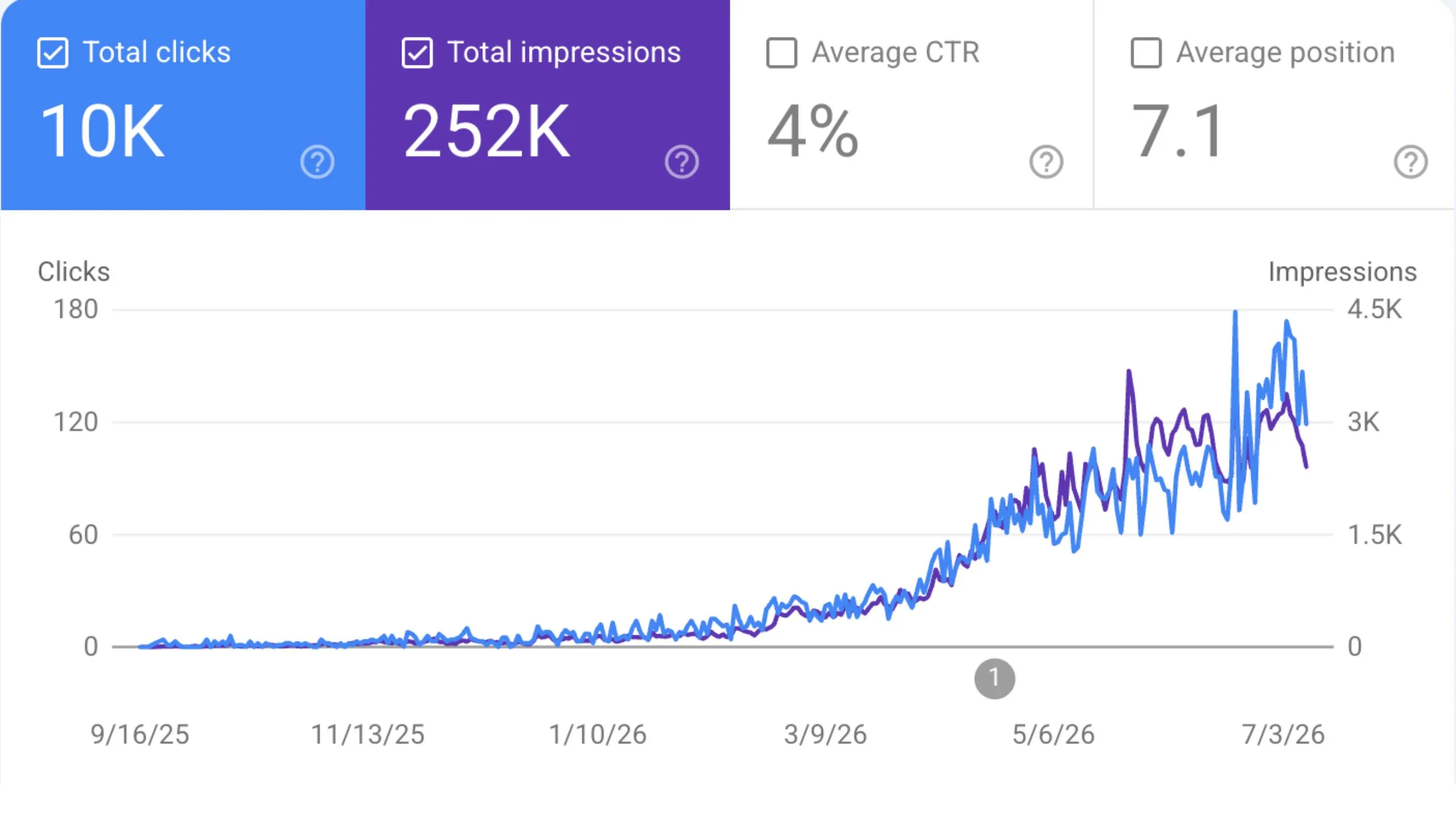
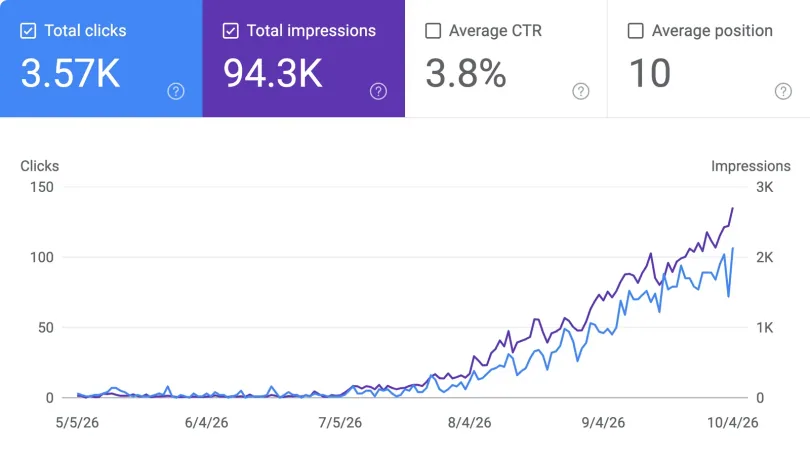
 “2年間、クライアントの100%がLinkedIn経由でした。毎日の投稿、コメント、DMでのフォローアップ…完全にアルゴリズム頼みでした。SEOに取り組むべきだとわかっていても、時間がかかる、技術的すぎる、自分の仕事ではないと、いつも後回しにしていました。Sorankでようやく一歩を踏み出しました。4か月で、何も投稿しなくても毎月15件のオーガニックリードを獲得しています。まだLinkedInと半々ではありませんが、自動で育つ2つ目のリード源ができたことで安心して眠れるようになりました。”
 Valentin Thomyコールドメール専門エージェンシー“Sorankは、クライアントに提供する成果を大きく変えてくれました。AIが実際に使っているキーワードを特定し、特定の競合が引用される理由を理解し、以前は完全に見落としていたチャンスを見つけられるようになりました。クライアントは、より早い順位上昇、AIの回答での可視性向上、そしてすべての施策のROIがより明確になったことを実感しています。”

 Benjamin Rouxovirank.com
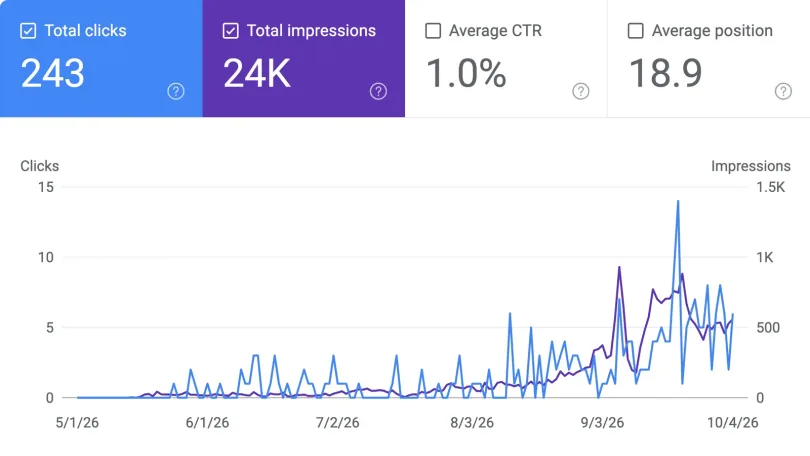
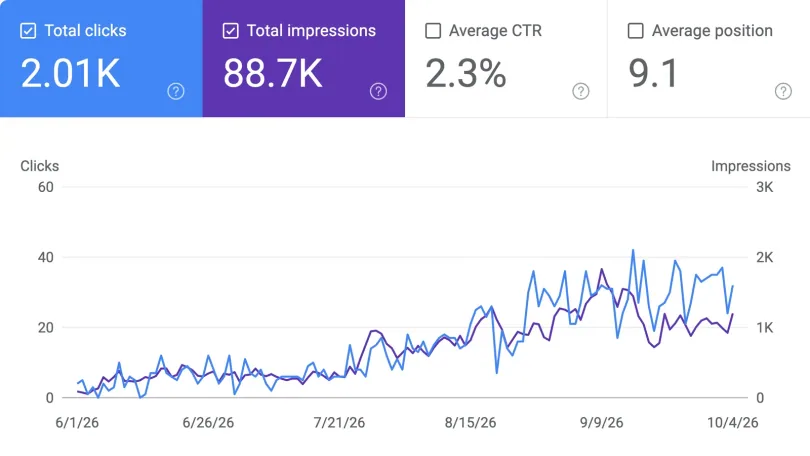
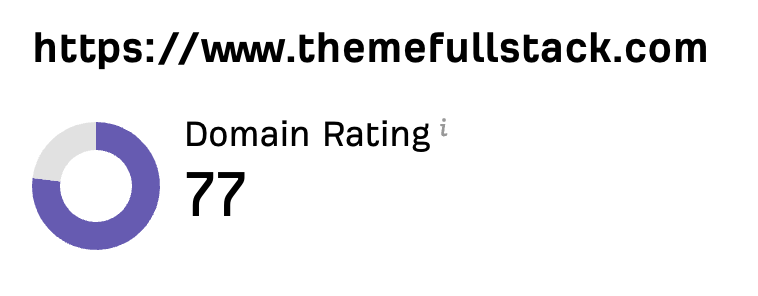 “私はマーケターではなく開発者です。私のShopifyテーマは口コミと広告だけで売れていました。Sorankのおかげで、SEOの組み立て方と上位表示される記事の書き方がようやくわかりました。監査で商品ページが遅すぎることも判明しました。2か月でオーガニックトラフィックは2倍になり、ShopifyテーマについてChatGPTで検索されたときの回答にも表示され始めています。しかも、週に約2時間の作業だけです。”

 Thème FullStackthemefullstack.com“Sorankのおかげで、私たちのSEOエージェンシーの働き方は大きく変わりました。すべてが一元化・自動化されたため、クライアント1社あたりにかける時間が大幅に減りました。以前は何時間もかかっていた作業が今では数分で終わり、ようやくビジネスの中で働くのではなく、ビジネスそのものに取り組めるようになりました。”

 Océane Bondismaison-leverage.com