設定
当社はプライバシーを重視しており、ウェブサイトの基本機能に必要のない特定のストレージを無効にするオプションを提供しています。カテゴリーをブロックすると、ウェブサイトでの体験に影響が出る可能性があります。詳細はこちら

当社はプライバシーを重視しており、ウェブサイトの基本機能に必要のない特定のストレージを無効にするオプションを提供しています。カテゴリーをブロックすると、ウェブサイトでの体験に影響が出る可能性があります。詳細はこちら

検索ボリュームは、キーワードが毎月どのくらい検索されるかを推定します。その測り方、限界、SEO と GEO での使い方を学びましょう。







Summary
Search volume is the estimated number of times a specific keyword is searched on a search engine over a set period, usually expressed as an average monthly figure, and it signals how much demand exists for a topic.
出典
Search volume is a metric that estimates how many times people search a given keyword on a search engine over a defined period, most often one month. It is one of the first numbers marketers look at when deciding which topics to pursue, because it hints at how many people could find a page that ranks for that term.
The figure is an estimate, not a counter. Tools derive it from advertising data and clickstream samples, then express it as an average. Used well, search volume reveals real demand and helps prioritize effort. Used in isolation, it can mislead, which is why it is always read alongside difficulty and intent.
Search volume is the number of searches for a given keyword on a certain search engine over a specified period of time. Most tools report it as an average monthly volume, calculated as the total searches over the previous twelve months divided by twelve. So a keyword listed at 5000 searches per month averaged that figure across a year, not necessarily last month.
Because it counts queries rather than visitors, volume measures demand, not traffic you will actually receive. A term can show high volume yet send few clicks if results are dominated by ads, featured snippets, or zero-click answers. This is why volume is a starting signal and connects directly to broader keyword volume analysis.
There are two main data sources. Google Keyword Planner reports an average monthly figure pulled straight from Google's advertising data, which makes it reliable but rounded and aggregated, and it requires a Google Ads account. It also suppresses some sensitive queries and cannot split data by device. The second source is clickstream data, collected from users who install browser extensions, which captures trending terms in near real time and distinguishes subtle keyword variants.
Every number is an estimate built on sampling, so absolute figures vary between tools. What stays meaningful is relative comparison: if two keywords come from the same source, the one with higher reported volume genuinely has more demand. That makes volume most useful for ranking opportunities against each other rather than as a precise traffic forecast.
High volume keywords carry strong demand but tend to be broad and competitive, so ranking for them often requires significant content depth and link building. Low volume keywords are narrower and more niche, less frequently searched but easier to rank for and usually tied to clearer intent. Targeting several low volume terms can deliver more total traffic than fighting for one head term where you only reach page two.
This is the logic behind long-tail strategy. Individually modest, long-tail queries aggregate into substantial traffic and often convert better because the intent is specific. A strong seed keyword can be expanded into dozens of these lower volume variations that together outperform a single competitive phrase.
Volume alone never tells the full story. A term worth targeting must balance three signals: how many people search it, how hard it is to rank, and what the searcher actually wants. A high volume keyword with brutal competition may be a worse bet than a modest one you can realistically win. This is why tools display volume next to keyword difficulty rather than on its own.
Intent matters just as much. A keyword can have high volume but the wrong intent for your page, sending visitors who bounce immediately. Matching content to search intent turns raw volume into qualified traffic. The right question is not which term has the biggest number, but which term has demand you can both rank for and satisfy.
An average monthly figure hides seasonal patterns. A keyword listed at a steady volume might actually spike around a holiday and stay quiet the rest of the year. Month-to-month trending reveals demand patterns that yearly averages flatten out, which is especially valuable for ecommerce and event-driven topics.
Trend direction also matters. A keyword whose volume is declining year over year may signal fading interest, while a rising term can be an early opportunity worth claiming before competition arrives. Reading the trend, not just the snapshot, separates timely content from content that lands after demand has passed.
For traditional SEO, volume guides prioritization. It helps you invest where real demand exists and avoid pouring effort into terms almost no one searches. Combined with difficulty and intent, it shapes a realistic content roadmap and informs paid strategy too, since the same demand signal underpins both organic and paid reach.
For generative engine optimization the picture is shifting. As assistants like ChatGPT, Perplexity, and Gemini answer directly, some high volume queries produce fewer clicks, a trend tied to zero-click attribution. Demand still exists, but it is increasingly satisfied inside the answer. That makes volume a signal of which topics AI systems will field most often, and therefore where being a cited source pays off.
Treat volume as one input among several. Start from a seed term, expand it into a list of related keywords, then layer in difficulty, intent, and trend before deciding. Favor clusters of related terms over single keywords, because covering a topic thoroughly captures many reformulations at once.
Use consistent tooling so your comparisons stay valid, and revisit estimates periodically since demand shifts. Pairing volume data with disciplined keyword research and content planning turns a rough estimate into a prioritized plan rather than a vanity number.
Search volume is an estimate without access to the platform's true data, so never treat the number as exact. It does not reliably predict traffic, because featured snippets and zero-click results absorb clicks, and Google suppresses reporting for sensitive queries. Two tools can disagree sharply on the same keyword.
The metric also misses context an average cannot show: seasonality, device split, and the difference between informational and transactional intent. Use it to compare and prioritize, then validate with your own performance data once content is live. The number opens a question, it does not answer it.
Search volume is the demand signal at the heart of keyword research: an estimated, averaged count of how often a term is searched. It is invaluable for prioritizing topics, but only when read alongside difficulty, intent, seasonality, and trend, and never mistaken for guaranteed traffic.
Combine it with a clear view of keyword difficulty and search intent, and use Sorank's research and content planning tools to turn demand data into a roadmap. Reference sources: Semrush and Search Engine Journal.

いいえ。検索ボリュームは推定値で、通常は過去 12 か月から計算した月間の平均値として報告されます。ツールは広告データやクリックストリームのサンプルからそれを導くので、絶対的な数値は提供元によって異なります。同じ情報源の中での相対的な比較は意味を保ちますが、数値を正確な件数やトラフィックの保証として扱うべきではありません。
検索ボリュームの多いキーワードは需要を測るもので、受け取るクリックではありません。広告、強調スニペット、ゼロクリックの AI の回答が占める結果は、その検索の大部分を吸収することがあります。検索ボリュームの多い語句は競争も激しいので、上位表示も難しくなります。多くの場合、検索ボリュームは少なくても意図が具体的な複数のキーワードを合わせたほうが、1 つの幅広い語句より質の高いトラフィックをもたらします。
検索ボリュームは、ChatGPT、Perplexity、Gemini などの AI アシスタントが最も頻繁に受けるトピックを示します。これらのツールが直接答えるにつれ、答えがチャットの中に表示されるので、検索ボリュームの多いクエリの一部はウェブサイトへのクリックが減ります。それでも需要は存在するので、検索ボリュームは AI の応答で引用される情報源になることが最も価値を持つ場所を見極める助けになります。
先行導入企業のご紹介
 “2年間、クライアントの100%がLinkedIn経由でした。毎日の投稿、コメント、DMでのフォローアップ…完全にアルゴリズム頼みでした。SEOに取り組むべきだとわかっていても、時間がかかる、技術的すぎる、自分の仕事ではないと、いつも後回しにしていました。Sorankでようやく一歩を踏み出しました。4か月で、何も投稿しなくても毎月15件のオーガニックリードを獲得しています。まだLinkedInと半々ではありませんが、自動で育つ2つ目のリード源ができたことで安心して眠れるようになりました。”
 Valentin Thomyコールドメール専門エージェンシー“Sorankは、クライアントに提供する成果を大きく変えてくれました。AIが実際に使っているキーワードを特定し、特定の競合が引用される理由を理解し、以前は完全に見落としていたチャンスを見つけられるようになりました。クライアントは、より早い順位上昇、AIの回答での可視性向上、そしてすべての施策のROIがより明確になったことを実感しています。”

 Benjamin Rouxovirank.com
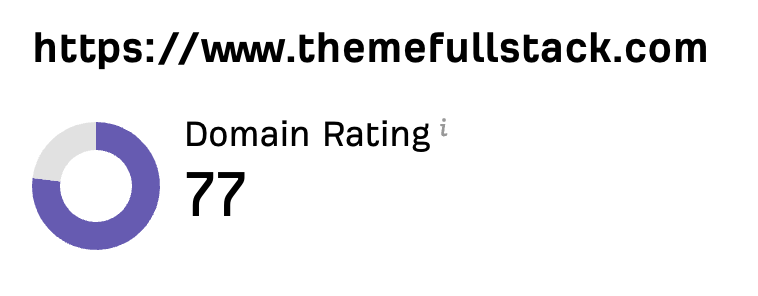 “私はマーケターではなく開発者です。私のShopifyテーマは口コミと広告だけで売れていました。Sorankのおかげで、SEOの組み立て方と上位表示される記事の書き方がようやくわかりました。監査で商品ページが遅すぎることも判明しました。2か月でオーガニックトラフィックは2倍になり、ShopifyテーマについてChatGPTで検索されたときの回答にも表示され始めています。しかも、週に約2時間の作業だけです。”

 Thème FullStackthemefullstack.com“Sorankのおかげで、私たちのSEOエージェンシーの働き方は大きく変わりました。すべてが一元化・自動化されたため、クライアント1社あたりにかける時間が大幅に減りました。以前は何時間もかかっていた作業が今では数分で終わり、ようやくビジネスの中で働くのではなく、ビジネスそのものに取り組めるようになりました。”

 Océane Bondismaison-leverage.com