設定
当社はプライバシーを重視しており、ウェブサイトの基本機能に必要のない特定のストレージを無効にするオプションを提供しています。カテゴリーをブロックすると、ウェブサイトでの体験に影響が出る可能性があります。詳細はこちら

当社はプライバシーを重視しており、ウェブサイトの基本機能に必要のない特定のストレージを無効にするオプションを提供しています。カテゴリーをブロックすると、ウェブサイトでの体験に影響が出る可能性があります。詳細はこちら

RankBrain は、クエリと意図を理解するための Google の機械学習のシステムです。その仕組み、なぜ重要か、それに向けた最適化の方法を学びましょう。







Summary
RankBrain is Google's machine learning system, launched in 2015, that interprets the meaning behind search queries, especially unfamiliar ones, and helps rank results by how well they satisfy user intent.
出典
RankBrain is a machine learning system that helps Google understand search queries and deliver more relevant results. Google rolled it out in spring 2015 and confirmed it that October, and it marked the first time machine learning was built into the core of search. Rather than matching keywords literally, RankBrain works out what a searcher actually means and ranks pages accordingly.
Its importance was immediate. In 2015 Google called RankBrain the third most important ranking factor, behind links and content, out of roughly 200 signals. That single fact reframed SEO: pleasing an algorithm now meant satisfying user intent, not just stuffing keywords.
RankBrain is an AI system that interprets queries and helps judge which results best answer them. It was designed to solve a real problem: roughly 15 percent of the searches Google sees every day are queries it has never seen before. Exact keyword matching cannot handle truly novel phrasing, so Google needed a system that could reason about meaning.
It builds on Hummingbird, the 2013 update that shifted Google from matching strings of characters to understanding things, or entities. RankBrain added a learning layer on top, using machine learning to keep improving its interpretation of language over time.
RankBrain converts search phrases into conceptual meanings rather than treating them as literal text. It maps words into vectors, sometimes called distributed representations, so it can recognize that two differently worded queries mean nearly the same thing. This is the same family of technique that lets a system learn that Paris relates to France the way Berlin relates to Germany.
For an unfamiliar query, RankBrain guesses which known words or phrases carry a similar meaning, then groups the query with patterns it already understands. It also weighs context such as location and search trends to infer what the user wants. This reliance on embeddings to capture meaning is what makes it good at ambiguous and never-before-seen searches, and it directly serves search intent.
Beyond interpreting queries, RankBrain is widely understood to learn from how people interact with results. The signals most often cited are organic click-through rate, dwell time, bounce rate, and pogo-sticking, the pattern of a user bouncing rapidly between results looking for a better one. When users consistently abandon a result, that behavior suggests the page did not satisfy them.
The practical reading is that a page which earns clicks and keeps people engaged sends positive signals, while one users quickly leave sends negative ones. That is why strong dwell time and a healthy click-through rate are treated as proxies for relevance, even if Google does not disclose their exact weighting.
The headline statistic comes from Google itself: RankBrain guesses what the rest of the search algorithm will pick as the top result about 80 percent of the time, compared with 70 percent for human search engineers. In head-to-head tests, the system outperformed Google's own experts, which is why it was trusted with so much influence.
Originally applied only to the 15 percent of novel queries, RankBrain was expanded to be involved in essentially every query. It does not necessarily change the ranking for every search, but it is part of how Google processes them all, making it a permanent layer of the algorithm rather than a one-off update among the usual algorithm updates.
RankBrain ended the era of optimizing for exact-match keywords. Because it understands concepts, you rank by comprehensively covering a topic and matching intent, not by repeating a phrase. This pushed SEO toward thorough, well-structured content that answers the real question behind a query, which is exactly the discipline generative engines now reward too.
The continuity matters. RankBrain pioneered intent understanding, later systems like the BERT algorithm deepened language comprehension, and today AI search extends the same logic to synthesized answers. Content built to satisfy intent, supported by sound keyword research and content planning, performs across all of them.
Start with intent. Study what the results already reward for a query and produce the format that fits, whether a guide, a comparison, or a product page, then answer the core question clearly and early. Cover the topic in depth so the page resolves the search rather than sending users back to look elsewhere.
Then strengthen the signals RankBrain watches. Write compelling titles and descriptions to lift click-through rate, and keep readers engaged with clear structure, a tight introduction, and genuinely useful content so they stay rather than pogo-stick away. You are not gaming a metric; you are making a page that satisfies the searcher, which is what the system is built to detect.
RankBrain brought machine learning into the heart of Google search, interpreting the meaning behind queries, handling the 15 percent of searches that are brand new, and learning from how users engage with results. It reframed SEO around intent and topical depth rather than exact keywords, and it set the trajectory that BERT and today's AI search continue.
The durable response is content that genuinely satisfies the searcher, built with Sorank's research and content planning tools. Reference sources: Backlinko, Wikipedia, and Search Engine Journal.

RankBrain は、キーワードを字面どおりに照合するだけでなく、人々が検索するときに本当に何を意味しているかを理解するために、Google が 2015 年に導入した機械学習のシステムです。見慣れないクエリやあいまいなクエリを、すでに知っている概念やパターンに結びつけて解釈するのが特に得意です。Google はこれを、リンクとコンテンツと並ぶ最も重要な順位要因の一つと呼んでいます。
RankBrain は、クリック率、滞在時間、直帰率、結果の間を行き来するポゴスティッキングなど、ユーザーの行動のシグナルから学ぶと広く理解されています。ユーザーがすぐにページを離れれば、その結果が満足させなかったことを示します。Google は正確な重みづけを公表していないので、最も安全な方法は、単一の指標を追うのではなく、本当に意図を満たすことです。
関連はしていますが、同じではありません。2015 年の RankBrain は、機械学習を使ってクエリの意味と意図を解釈する先駆けでした。後に導入された BERT は、周囲の語が意味をどう変えるかを含め、クエリの中の言語と語の関係についての Google の理解を深めました。両者は別々のシステムで、どちらも Google をキーワードの照合から意図の理解へと押し進めています。
先行導入企業のご紹介
 “2年間、クライアントの100%がLinkedIn経由でした。毎日の投稿、コメント、DMでのフォローアップ…完全にアルゴリズム頼みでした。SEOに取り組むべきだとわかっていても、時間がかかる、技術的すぎる、自分の仕事ではないと、いつも後回しにしていました。Sorankでようやく一歩を踏み出しました。4か月で、何も投稿しなくても毎月15件のオーガニックリードを獲得しています。まだLinkedInと半々ではありませんが、自動で育つ2つ目のリード源ができたことで安心して眠れるようになりました。”
 Valentin Thomyコールドメール専門エージェンシー“Sorankは、クライアントに提供する成果を大きく変えてくれました。AIが実際に使っているキーワードを特定し、特定の競合が引用される理由を理解し、以前は完全に見落としていたチャンスを見つけられるようになりました。クライアントは、より早い順位上昇、AIの回答での可視性向上、そしてすべての施策のROIがより明確になったことを実感しています。”

 Benjamin Rouxovirank.com
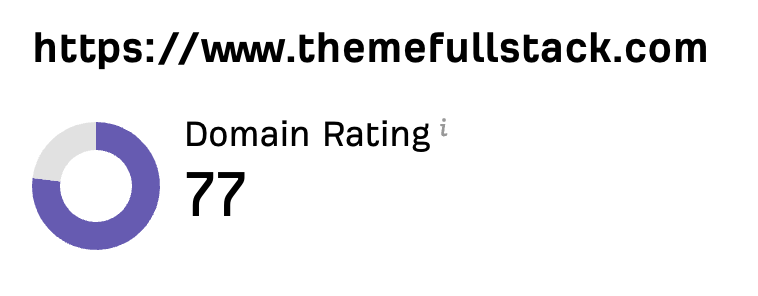 “私はマーケターではなく開発者です。私のShopifyテーマは口コミと広告だけで売れていました。Sorankのおかげで、SEOの組み立て方と上位表示される記事の書き方がようやくわかりました。監査で商品ページが遅すぎることも判明しました。2か月でオーガニックトラフィックは2倍になり、ShopifyテーマについてChatGPTで検索されたときの回答にも表示され始めています。しかも、週に約2時間の作業だけです。”

 Thème FullStackthemefullstack.com“Sorankのおかげで、私たちのSEOエージェンシーの働き方は大きく変わりました。すべてが一元化・自動化されたため、クライアント1社あたりにかける時間が大幅に減りました。以前は何時間もかかっていた作業が今では数分で終わり、ようやくビジネスの中で働くのではなく、ビジネスそのものに取り組めるようになりました。”

 Océane Bondismaison-leverage.com