設定
当社はプライバシーを重視しており、ウェブサイトの基本機能に必要のない特定のストレージを無効にするオプションを提供しています。カテゴリーをブロックすると、ウェブサイトでの体験に影響が出る可能性があります。詳細はこちら

当社はプライバシーを重視しており、ウェブサイトの基本機能に必要のない特定のストレージを無効にするオプションを提供しています。カテゴリーをブロックすると、ウェブサイトでの体験に影響が出る可能性があります。詳細はこちら

クエリとは、人々が検索に入力したり話しかけたりする実際の言葉です。キーワードとの違い、主なクエリの種類、なぜ重要かを学びましょう。








Summary
A query is the actual phrase a person types or speaks into a search engine or AI assistant to find what they want, the raw real-world input that a system then has to interpret.
出典
Queries are the real combinations of words people enter into search engines and AI assistants to find information, products, or pages. A query is what the user actually types or says, in their own words, in the moment. It is the starting point of every search interaction, and everything a search system does begins with interpreting that string.
Understanding queries matters because they reveal intent in the user's own language, not the marketer's. The closer your content maps to the queries real people use, the more likely you are to be found, whether the answer comes from a results page or an AI assistant.
A query is a phrase or keyword combination a user enters in a search engine to find things of interest. It can be a single word, a full question, a misspelling, or a spoken sentence. The defining feature is that it is real input from a real person, messy and varied, rather than a tidy term chosen in advance.
Every search system, from Google to an AI chatbot, takes that raw query and tries to work out what the person wants. The query is therefore both the signal a user sends and the problem a search engine has to solve, which is why so much of search technology is about reading queries correctly.
Queries and keywords are related but not the same. A query is the real-life string a person enters, while a keyword is the term a marketer or analyst associates with content and chooses to target. Many different queries can map to a single keyword: "how do I bake bread," "easy bread recipe," and "baking bread at home" are distinct queries that an SEO might group under one keyword theme.
This distinction matters in practice. You optimize for keywords, but users search with queries, so the art is anticipating the many ways a real person might phrase the same need. Reporting tools often show the exact queries that brought visitors, which is gold for refining content.
Queries are traditionally sorted into three types by intent. Informational queries seek knowledge or answers, like "how to bake bread," with no purchase in mind. Navigational queries look for a specific brand, site, or page, like a login or a company name. Transactional queries aim to act or buy, signaled by words like buy, order, price, or near me.
Informational queries dominate by volume; a commonly cited estimate puts them at roughly 80 percent of searches, with navigational and transactional each near 10 percent. Whatever the exact split, the practical point is that most searches are people seeking answers, which is why useful content wins so much traffic. Matching the right content to each type is the essence of serving search intent.
Classifying a query by keywords alone is unreliable. A phrase like "best buy laptops" looks transactional but is often navigational, so the surest way to read intent is to study what the search results already reward. If the page is full of blog posts, the query is informational; if it is product pages, it is transactional.
A deeper framework looks at the content type, format, and angle that win: a guide versus a product page, a how-to versus a listicle, and the angle such as freshness or price. Reading these signals tells you what a query really wants far better than the words in isolation, which is the foundation of branded query analysis and intent mapping alike.
For classic SEO, queries are the bridge between user need and your content. The exact queries that surface your pages, visible in search analytics, show which needs you already serve and which you miss, guiding what to write next. Aligning pages with real queries, rather than guessed keywords, is what earns durable visibility.
In the AI era, queries are changing shape. People increasingly type long, conversational questions, and assistants answer them directly. This shift toward natural language queries and conversational search means content must answer fuller questions, not just match short terms. Pairing query analysis with keyword research and content planning keeps you aligned with how people actually ask.
AI assistants have made queries longer and more complex, and they often decompose a single question into several sub-questions behind the scenes. Through query fanout, one user question can spawn many internal searches, each pulling from different sources. This means a page can be cited for a sub-question it answers well, even if it never targeted the original phrasing.
The practical takeaway is to cover the full breadth of a topic and answer specific sub-questions clearly. As assistants interpret intent more aggressively, content that anticipates the many angles of a query is far more likely to be surfaced and cited than content built around a single exact-match term.
A query is the real, in-the-moment phrase a person types or speaks, distinct from the keyword a marketer targets. Queries come in informational, navigational, and transactional flavors, with informational dominating, and the surest way to read their intent is to study what the results already reward. As AI reshapes search, queries are growing longer, more conversational, and more decomposed.
Winning means mapping content to real queries and the sub-questions they spawn, supported by Sorank's research and content planning tools. Reference sources: GrowHackScale, Ahrefs, and Mirasvit.

クエリは、人が自分の言葉で検索に入力したり話しかけたりする実際のフレーズです。キーワードは、マーケターやアナリストが狙うものとして選び、コンテンツと結びつける語句です。多くの異なるクエリが 1 つのキーワードのテーマに対応しうるので、最適化はキーワードに向けて行いますが、実際のユーザーはその場で思いつく、より雑然として多様なクエリで検索します。
情報収集型、案内型、取引型です。情報収集型のクエリは、何かのやり方など知識を求めます。案内型のクエリは、特定のブランド、サイト、ページを探します。取引型のクエリは購入や行動を目指し、多くの場合「購入」「注文」「価格」などの語で示されます。情報収集型のクエリが圧倒的に多く、だからこそ役に立つコンテンツが多くのトラフィックを得るのです。
AI アシスタントは、より長く会話的な質問を促し、多くの場合 1 つの質問を内部でいくつかの小さな質問に分けます。そのため、コンテンツは短い語句に一致するだけでなく、より完全で具体的な質問に答える必要があります。ページはうまく答えている小さな質問で引用されうるので、1 つの正確なフレーズを狙うより、トピックを網羅的にカバーすることのほうが重要です。
先行導入企業のご紹介
 “2年間、クライアントの100%がLinkedIn経由でした。毎日の投稿、コメント、DMでのフォローアップ…完全にアルゴリズム頼みでした。SEOに取り組むべきだとわかっていても、時間がかかる、技術的すぎる、自分の仕事ではないと、いつも後回しにしていました。Sorankでようやく一歩を踏み出しました。4か月で、何も投稿しなくても毎月15件のオーガニックリードを獲得しています。まだLinkedInと半々ではありませんが、自動で育つ2つ目のリード源ができたことで安心して眠れるようになりました。”
 Valentin Thomyコールドメール専門エージェンシー“Sorankは、クライアントに提供する成果を大きく変えてくれました。AIが実際に使っているキーワードを特定し、特定の競合が引用される理由を理解し、以前は完全に見落としていたチャンスを見つけられるようになりました。クライアントは、より早い順位上昇、AIの回答での可視性向上、そしてすべての施策のROIがより明確になったことを実感しています。”

 Benjamin Rouxovirank.com
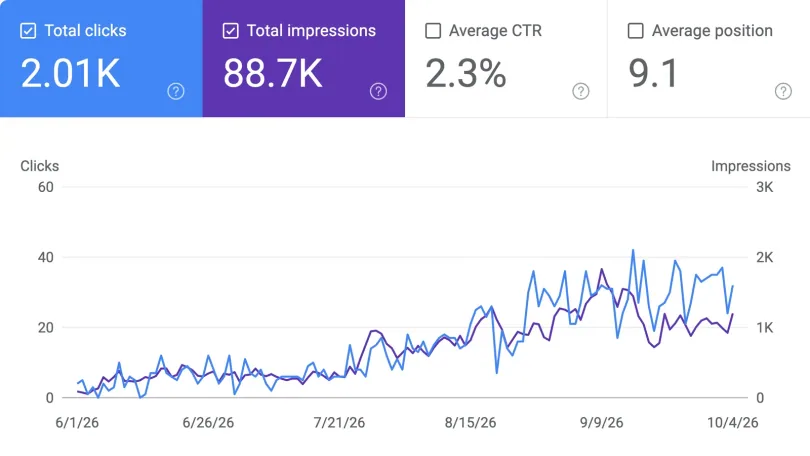
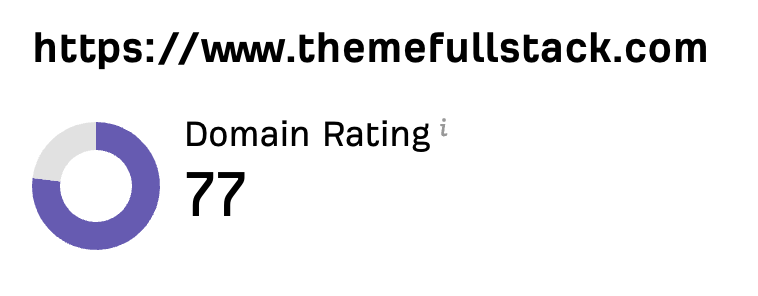 “私はマーケターではなく開発者です。私のShopifyテーマは口コミと広告だけで売れていました。Sorankのおかげで、SEOの組み立て方と上位表示される記事の書き方がようやくわかりました。監査で商品ページが遅すぎることも判明しました。2か月でオーガニックトラフィックは2倍になり、ShopifyテーマについてChatGPTで検索されたときの回答にも表示され始めています。しかも、週に約2時間の作業だけです。”

 Thème FullStackthemefullstack.com“Sorankのおかげで、私たちのSEOエージェンシーの働き方は大きく変わりました。すべてが一元化・自動化されたため、クライアント1社あたりにかける時間が大幅に減りました。以前は何時間もかかっていた作業が今では数分で終わり、ようやくビジネスの中で働くのではなく、ビジネスそのものに取り組めるようになりました。”

 Océane Bondismaison-leverage.com