設定
当社はプライバシーを重視しており、ウェブサイトの基本機能に必要のない特定のストレージを無効にするオプションを提供しています。カテゴリーをブロックすると、ウェブサイトでの体験に影響が出る可能性があります。詳細はこちら

当社はプライバシーを重視しており、ウェブサイトの基本機能に必要のない特定のストレージを無効にするオプションを提供しています。カテゴリーをブロックすると、ウェブサイトでの体験に影響が出る可能性があります。詳細はこちら

パッセージランキングでは、Google がページ全体だけでなく、ページの関連する 1 つのセクションを順位付けできます。その仕組みと最適化の方法を学びましょう。








Summary
Passage ranking is a Google system that scores and surfaces individual sections of a page, so a single relevant paragraph can rank for a query even when the overall page is about something broader.
出典
Passage ranking is Google's ability to identify the most relevant part of a page and rank it for a query, rather than judging the page only as a whole. Google described it as finding the needle in a haystack: even if a page covers many topics, the system can zoom in on the one passage that best answers a specific, often long-tail question and rank the page on the strength of that section.
Crucially, this is a ranking improvement, not a new index. Google still indexes full pages, and it has been explicit that passage ranking does not change how content is indexed. The engine simply got better at understanding the meaning of individual sections so it can reward the right paragraph buried in a long article.
Passage ranking lets Google evaluate the relevance of specific passages within a page in addition to the page's overall topic. Before this change, a narrow but excellent answer sitting inside a sprawling page could be overlooked because the page as a whole did not look focused on the query. With passage ranking, that buried answer can win the position on its own merit.
The name itself caused confusion, so Google shifted from passage indexing to passage ranking to make the point clear. Nothing is stored or indexed at the passage level. The system reads pages it has already crawled and indexed, then ranks the most relevant section when a query calls for it.
When a query is highly specific, Google scores the individual sections of candidate pages and asks which passage most directly answers the intent. If a paragraph in the middle of a broad article fits best, that page can rank or even be linked with an anchor that jumps the user straight to the relevant section. This is why a comprehensive page can suddenly rank for many narrow questions it never targeted explicitly.
This granular understanding builds directly on Google's language models. It extends the comprehension introduced by the BERT algorithm, and Google developed a model called SMITH to read longer documents, reportedly processing up to 2,048 words against BERT's 512-word window. Treating content as discrete, meaningful chunks mirrors the logic of content chunking, where each section is built to stand on its own.
Passage ranking is often confused with featured snippets, but they work differently. A featured snippet pulls an extract onto a results page and still leans on the page's overall topical relevance. Passage ranking instead considers the relevance of the individual passage itself, independent of how focused the surrounding page is. One decides where a page ranks; the other decides what gets quoted in a SERP feature.
The two can reinforce each other. A page that ranks because of one strong passage is also a natural candidate for a snippet drawn from that same passage, which is why clean, self-contained sections pay off twice.
When Google launched the change, it estimated passage ranking would affect roughly 7 percent of search queries across all languages. That sounds modest, but for comparison BERT eventually grew to touch about 99 percent of queries, so the long-term trend is toward ever more granular understanding of content.
The practical upside is that long-form, well-structured content gets more chances to rank. A single deep guide can now earn visibility for dozens of narrow questions, each answered by a different section, which rewards depth and clear organization. Pages that match search intent at the section level, not just the page level, capture more of this traffic.
Google has said there is nothing to do specifically for passage ranking, because it is the engine getting better at understanding existing content. In practice, the same habits that help everywhere help here: structure each page with descriptive headings, and make every section a clean, self-contained answer to one question.
Use clear subheadings, keep one idea per section, and answer the question directly within the first sentence or two of that section. Add schema markup where relevant so machines can parse your facts, and connect related sections with internal links. This discipline also feeds AI surfaces like the AI Overview, which extract self-contained passages, and it pairs naturally with sound keyword research and content planning.
Long-form pillar pages, comprehensive guides, and FAQ-rich articles benefit most, because they contain many distinct sections that can each match a different query. A single guide about a broad subject can rank for the head term and for many long-tail questions answered inside it.
Conversely, very short pages have less to gain, since they offer few distinct passages to score. Sites that previously relied on thin pages may see long-form competitors absorb queries they used to win, which makes consolidating related content into deeper, well-organized pages a sensible response.
You cannot directly target passage ranking, and you will rarely see it isolated in your analytics, since it blends into normal rankings. That makes it hard to attribute a specific traffic change to this system alone, so it is better treated as one more reason to write clear, deep, well-structured content than as a tactic to chase.
There is also a risk of over-optimizing. Stuffing a page with disconnected sections to fish for passages produces a worse page for readers. The durable approach is genuine topical depth, organized so both people and machines can navigate it.
Passage ranking lets Google reward the single best section of a page, so a buried paragraph can rank for a precise query even on a broad page. It is a ranking change, not an indexing one, and it favors long-form content organized into clear, self-contained sections. There is no special trick: structure your pages well and answer each question directly.
Combine clean structure with strong content chunking and intent-matched sections, supported by Sorank's research and content planning tools. Reference sources: Search Engine Land, Stan Ventures, and Hurrdat Marketing.

いいえ。Google は今もページ全体をインデックスしており、パッセージランキングはインデックスを変えないとはっきり述べています。システムはすでにインデックスしたページを読み、クエリに最も関連するセクションをよりうまく採点するようになっただけです。Google は、この混乱を解くために名前をパッセージインデックスからパッセージランキングに変えたほどです。
Google によれば、直接はできません。ベストプラクティスは、明確な見出しでコンテンツを構成し、各セクションを 1 つの質問に絞り、セクションの冒頭近くでその質問に直接答えることです。スキーママークアップと強い内部リンクを加えれば、機械がコンテンツを解析してつなげる助けになり、パッセージランキングと AI の面の両方を支えます。
長くよく整理されたコンテンツが最も恩恵を受けます。それぞれが異なるロングテールのクエリに合いうる、明確に分かれたセクションを多く含むからです。1 つの網羅的なガイドが、主要なトピックと、その中で答えている数多くの狭い質問の両方で上位に表示されることがあります。非常に短いページや薄いページは、Google が採点する文章が少ないので、ほとんど恩恵を受けません。
先行導入企業のご紹介
 “2年間、クライアントの100%がLinkedIn経由でした。毎日の投稿、コメント、DMでのフォローアップ…完全にアルゴリズム頼みでした。SEOに取り組むべきだとわかっていても、時間がかかる、技術的すぎる、自分の仕事ではないと、いつも後回しにしていました。Sorankでようやく一歩を踏み出しました。4か月で、何も投稿しなくても毎月15件のオーガニックリードを獲得しています。まだLinkedInと半々ではありませんが、自動で育つ2つ目のリード源ができたことで安心して眠れるようになりました。”
 Valentin Thomyコールドメール専門エージェンシー“Sorankは、クライアントに提供する成果を大きく変えてくれました。AIが実際に使っているキーワードを特定し、特定の競合が引用される理由を理解し、以前は完全に見落としていたチャンスを見つけられるようになりました。クライアントは、より早い順位上昇、AIの回答での可視性向上、そしてすべての施策のROIがより明確になったことを実感しています。”

 Benjamin Rouxovirank.com
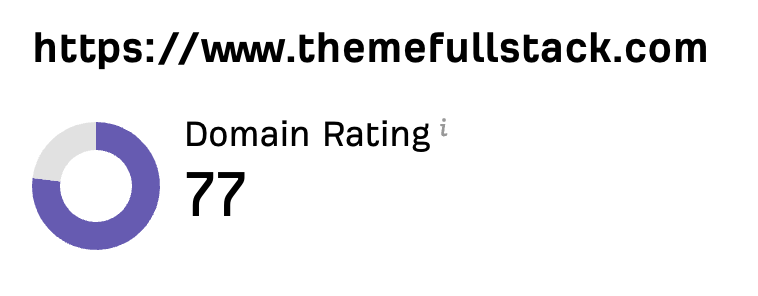 “私はマーケターではなく開発者です。私のShopifyテーマは口コミと広告だけで売れていました。Sorankのおかげで、SEOの組み立て方と上位表示される記事の書き方がようやくわかりました。監査で商品ページが遅すぎることも判明しました。2か月でオーガニックトラフィックは2倍になり、ShopifyテーマについてChatGPTで検索されたときの回答にも表示され始めています。しかも、週に約2時間の作業だけです。”

 Thème FullStackthemefullstack.com“Sorankのおかげで、私たちのSEOエージェンシーの働き方は大きく変わりました。すべてが一元化・自動化されたため、クライアント1社あたりにかける時間が大幅に減りました。以前は何時間もかかっていた作業が今では数分で終わり、ようやくビジネスの中で働くのではなく、ビジネスそのものに取り組めるようになりました。”

 Océane Bondismaison-leverage.com