AI 爬虫是抓取网页以训练模型和支撑 AI 答案的机器人。了解 GPTBot、ClaudeBot 等如何工作,以及如何管控它们。






工具


摘要
AI 爬虫是自动化机器人,它们抓取网页以训练大语言模型并支撑 AI 搜索答案,使用 GPTBot、ClaudeBot、PerplexityBot 这类用户代理标明身份,而且大多数都遵守 robots.txt 规则。
想深入了解?请询问
AI 爬虫是访问网站、为人工智能系统采集内容的自动化程序。它们的工作方式与传统搜索引擎爬虫很像,都是抓取页面并阅读文本,但它们服务于 AI 特有的目的:训练基础模型、为 AI 答案建立索引,以及在用户提问时实时取回页面。活跃度最高的三个是 OpenAI 的 GPTBot、Anthropic 的 ClaudeBot 和 Perplexity 的 PerplexityBot。
它们重要,是因为它们是通向 AI 可见度的入口。如果 AI 爬虫无法抵达您的内容,那些内容就无法在 ChatGPT、Claude 或 Perplexity 中被引用,也无法输入给人们日益依赖的模型。了解存在哪些爬虫、如何管控它们,如今是技术 SEO 和 GEO 的核心内容。
AI 爬虫是为 AI 系统而非传统搜索索引抓取网页的机器人。每一个都在其 HTTP 请求头中用一个独特的用户代理字符串标明身份,因此站点所有者可以识别它、在 AI 爬虫日志中研究它的行为,并决定放行还是封锁。从这个意义上说,每个都是一个有明确身份的专用爬虫机器人。
采集到的内容会流向三种用途之一:训练下一代模型、为页面建立索引以便在 AI 答案中被引用,或提供一个实时页面来回答某个具体提示词。弄清楚一个爬虫服务于哪种用途,是管好它们的关键,因为封锁它们的后果差异很大。
OpenAI 运行 GPTBot 用于训练和 ChatGPT 搜索,OAI-SearchBot 支撑其搜索功能,ChatGPT-User 用于用户触发的实时抓取。Anthropic 的安排类似:ClaudeBot 用于训练,Claude-SearchBot 用于产品内搜索的索引,Claude-User 处理按需请求。Perplexity 则运行 PerplexityBot 做索引,Perplexity-User 处理用户发起的抓取。
另外两个对训练很重要。Google-Extended 控制您的内容是否被用于 Gemini 和 AI Overviews,而且重要的是,它不会影响您在 Google 搜索中的普通排名。CCBot 为 Common Crawl 供数,那是一个公开归档库,许多模型会间接使用它训练。仅OpenAI 爬虫就展现了这一规律:同一家公司,多个机器人,各司其职。
AI 公司通常采用三层爬虫架构。训练机器人,包括 GPTBot、ClaudeBot、Google-Extended 和 CCBot,按计划抓取大量文本以改进未来的模型,为决定模型知识的 AI 训练数据供料。它们的活动与任何单一查询无关。
OAI-SearchBot、Claude-SearchBot 和 PerplexityBot 这类搜索机器人,对页面建立索引,以便在 AI 答案中被展示和引用。用户触发的抓取代理,包括 ChatGPT-User、Claude-User 和 Perplexity-User,则在有人提出相关问题的那一刻实时取回页面。这个区别至关重要:即使您的内容已经被用于训练,封锁实时抓取代理仍可能把您从正在生成的答案中移除。
位于站点根目录的 robots.txt 文件告诉爬虫它们可以访问哪些路径,而大多数 AI 爬虫会像传统搜索机器人一样遵守它。因此您可以逐个有选择地放行或封锁,例如在公开页面上允许搜索和实时抓取代理,同时限制训练机器人或敏感区域。若想阻止训练但保留在实时答案中,您可以禁止 GPTBot,同时放行 ChatGPT-User。
但有一个前提。robots.txt 只是一个礼貌性的请求,并非每个爬虫都遵守。字节跳动的 Bytespider 有记录在案的不遵守历史,HAProxy 报告称,2024 年接近 90% 的 AI 爬虫流量仅来自 Bytespider,其中很大一部分无视了禁止规则。还有记录显示,部分 Perplexity 的抓取会轮换用户代理和 IP 地址以绕开禁止抓取指令,因此真正保护私密内容需要通过防火墙或机器人管理在服务器层面封锁,而不能只靠 robots.txt。
能被访问是被引用的前提。如果您的内容被抓取、被索引并获得信任,它就可能出现在 AI 答案中并丰富模型的知识;如果被封锁,则不可能。封锁所有 AI 机器人会把您的品牌从 ChatGPT Search、Claude 的网页搜索和 Perplexity 的答案中移除,这对您的 AI 搜索可见度是直接的损失,通常超过了它对公开页面带来的保护。
经济账也越来越倾向于放行。据 Semrush 报告,AI 搜索访客的价值是普通传统自然搜索访客的 4.4 倍,因为他们是在读完一段总结后带着强烈意图而来。时效性同样重要:大约 65% 的 AI 机器人访问针对的是过去一年内发布的页面,这奖励的是持续发布。
先确定您的目标。大多数营销和 SaaS 品牌应该放行主要爬虫以最大化可见度,而保护知识产权的发布者可能会选择封锁训练机器人。然后在 robots.txt 中有选择地实施:在公开内容上放行能带来引用的代理和实时抓取代理,只限制真正敏感或付费墙后的内容。
通过查看服务器日志并按 IP 确认爬虫身份,来核实实际发生了什么,因为用户代理可以被伪造。对不遵守规则的机器人,要加上服务器层面的规则。最后,确保爬虫能抵达的页面也是值得被引用的页面,这正是严谨的关键词研究与内容规划把访问与需求对齐的地方,也支持对您最优质内容的顺畅抓取。
最大的挑战是可见度与控制权之间的张力。放行爬虫会把您并未直接变现的内容供给模型和答案引擎,而封锁它们虽能保护知识产权,却会抹去 AI 可见度。这里没有普适的正确答案,一切取决于您的商业模式。
第二个挑战是执行力。因为 robots.txt 是自愿性的,封锁只能拦住守规的机器人,要拦住其余的则需要基础设施层面的工作。爬虫的名称、行为和守规情况也会随时间变化,因此一次设定的策略如果不定期复查并盯着日志,就会逐渐过时。
AI 爬虫是那些抓取您页面以训练模型、为 AI 答案建立索引并响应实时查询的机器人,其中 GPTBot、ClaudeBot 和 PerplexityBot 最为领先。大多数遵守 robots.txt,因此您可以有选择地放行或封锁,但少数并不遵守,而全部封锁会把您从增长最快的发现渠道中移除。对大多数品牌而言,正确的做法是放行主要爬虫、保持内容新鲜,并只保护真正敏感的部分。
要更进一步,请把它与 AI 爬虫日志和 AI 索引连接起来,并使用 Sorank 的研究与内容规划工具,确保被抓取的页面与真实需求相匹配。参考来源:Contently 和 Soar。
来源

对大多数营销和 SaaS 品牌而言,不应该。封锁所有 AI 爬虫会把您从 ChatGPT Search、Claude 的网页搜索和 Perplexity 的答案中移除,这是直接的可见度损失。一些保护知识产权的发布者会封锁训练机器人,同时放行搜索和实时抓取代理。正确的选择取决于您的商业模式,而不是一条通用规则。
大多数会。GPTBot、ClaudeBot、OAI-SearchBot、PerplexityBot 和 Google-Extended 都遵守 robots.txt,因此您可以有选择地放行或封锁它们。不过,robots.txt 只是一个礼貌性的请求,有些机器人会无视它。Bytespider 有记录在案的不遵守历史,因此要保护私密内容不被这类爬虫读取,需要通过防火墙或机器人管理在服务器层面封锁。
GPTBot、ClaudeBot 这类训练机器人按计划抓取,采集内容以改进未来的模型。OAI-SearchBot、PerplexityBot 这类搜索机器人对页面建立索引,以便在 AI 答案中被引用。ChatGPT-User 这类用户触发的抓取代理,则在有人提问时实时取回页面。封锁实时抓取代理,可能把您从正在生成的答案中移除。
他们已先于您体验了 SORANK
 “两年来,我 100% 的客户都来自 LinkedIn。每天发帖、评论、私信跟进……完全依赖算法。我知道自己需要做 SEO,但总是往后拖:太花时间、太技术、不是我的本行。有了 Sorank,我终于迈出了这一步。4 个月里,我在什么都不发的情况下每月获得 15 个自然线索。目前还没有做到和 LinkedIn 各占一半,但知道自己现在有了第二个能自动增长的线索来源,我睡得更踏实了。”
 Valentin Thomy冷邮件营销机构
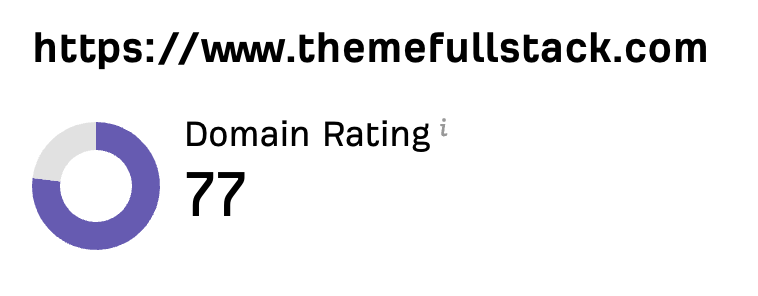 “我是开发者,不是做市场的。我的 Shopify 主题此前只靠口碑和广告在卖。有了 Sorank,我终于明白该如何搭建自己的 SEO,以及怎样写出能获得排名的文章。审计发现我的产品页面太慢了。两个月内,我的自然流量翻了一倍,当人们搜索 Shopify 主题时,我也开始出现在 ChatGPT 的回答里。而这一切每周只花大约 2 小时。”
 Thème FullStackthemefullstack.com
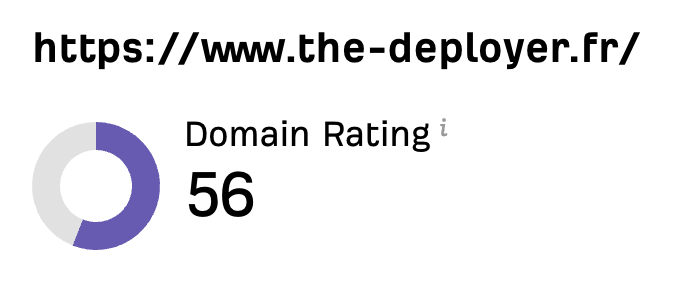 “对市场营销机构来说是个很棒的工具!用它来审计网站、找出加载慢的页面、确定需要补充哪些内容以及补在哪里,都非常快。”
 Thomas Giraudthe-deployer.fr“我们是一家广告代理商,想要一劳永逸地把 SEO 重新做起来。Sorank 让我们清楚地看到自己网站的情况,帮助我们排定优化的优先级,并把内容结构梳理好。这个工具易于使用,很适合团队,而且非常实用,可以集中跟踪,不用在多个平台之间来回切换。这是我们重新开始做 SEO 的一个非常扎实的基础。”
 Gaspard Madoui广告代理商