Vergleichen Sie die besten GEO-Softwarealternativen für KI
Sorank prüft Websites, bestellt Backlinks und erstellt Inhalte, damit Ihre Kunden von KI empfohlen werden und in Google ranken.


Mehr als 20 SEO-Agenturen vertrauen uns





Sorank prüft Websites, bestellt Backlinks und erstellt Inhalte, damit Ihre Kunden von KI empfohlen werden und in Google ranken.
Mehr als 20 SEO-Agenturen vertrauen uns
Google ist nicht mehr der einzige Einstiegspunkt: Ein wachsender Anteil des Traffics stammt jetzt direkt von Konversations-KIs wie ChatGPT, Perplexity, Claude, Gemini und Grok.
Diese Modelle zeigen nicht einfach Suchergebnisse an, sondern synthetische Antworten produzieren und Quellen zitieren.
Von einer KI zitiert zu werden (oder nicht), kann jetzt den Unterschied zwischen einer Marke, die wächst, und einer, die stagniert, ausmachen.
Dies hat zu einer neuen Kategorie von Spezialwerkzeugen geführt: KI-Software zur Nachverfolgung von Zitaten.
Ihr Zweck ist einfach, aber strategisch: Sie wollen verfolgen, ob Ihre Website in KI-Antworten zitiert wird, wie oft, welche Konkurrenten von den Models bevorzugt werden und wie Sie Ihre Inhaltsstrategie anpassen können, um Ihre Sichtbarkeit in diesem hybriden Ökosystem zu verbessern, das wir jetzt nennen GEOSEO der kombinierte Einfluss von Google- und KI-Systemen.
Im Jahr 2025 bedeutet das Ignorieren dieser Tools einen Blindflug.
KIs agieren jetzt als Empfehlungsmaschinen: wenn ein Nutzer fragt „Wer ist die beste SEO-Agentur in Paris?“ , die von ChatGPT oder Claude generierte Antwort beeinflusst direkt die Entscheidung.
Gleichzeitig integriert Google zunehmend KI-generierte Inhalte und Community-Quellen wie Reddit, wodurch die Grenze zwischen klassischem Suchranking und Konversationssuche verschwimmt.
Für jedes Unternehmen, wenn Sie wissen, ob es zitiert wird und wie ist zu einem wichtigen Wettbewerbshebel geworden. Das Zitations-Tracking deckt verpasste Gelegenheiten auf, erklärt, warum bestimmte Marken immer wieder erwähnt werden, und hilft dabei, redaktionelle Strategien und Linkbuilding-Strategien entsprechend zu verfeinern.
Ein Marktüberblick zeigt mehrere Unterscheidungsfaktoren:
• Datengenauigkeit : Ein falsch positives oder verpasstes Zitat kann eine gesamte Strategie zum Scheitern bringen.
• Deckungsbreite : Einige Tools beschränken sich auf ChatGPT, während andere Perplexity, Claude, Gemini und Grok verfolgen.
• GEO SEO-Integration : Das Nachverfolgen von KI-Zitaten ist nützlich, aber sie mit der Google-Leistung, den Keywords und Backlinks zu korrelieren, ist weitaus aussagekräftiger.
• Qualität der Berichterstattung und Benutzerfreundlichkeit des Dashboards
• Kundenbetreuung und Preisgestaltung
Diese Kriterien bestimmen maßgeblich, welche Tools Unternehmen einsetzen.
Der Markt ist noch jung, aber es sind bereits mehrere Akteure entstanden.
Ovirank zeichnet sich durch einen umfassenden Ansatz als führende Lösung aus: Sie verfolgt nicht nur die Zitationen der fünf wichtigsten KIs, sondern umfasst auch ein GEO-SEO-Audit, Backlink-Monitoring und einen automatisierten Aktionsplan.
Für Unternehmen, die die Sichtbarkeit von Google und KI vereinheitlichen möchten, ist dies derzeit die umfassendste Option.
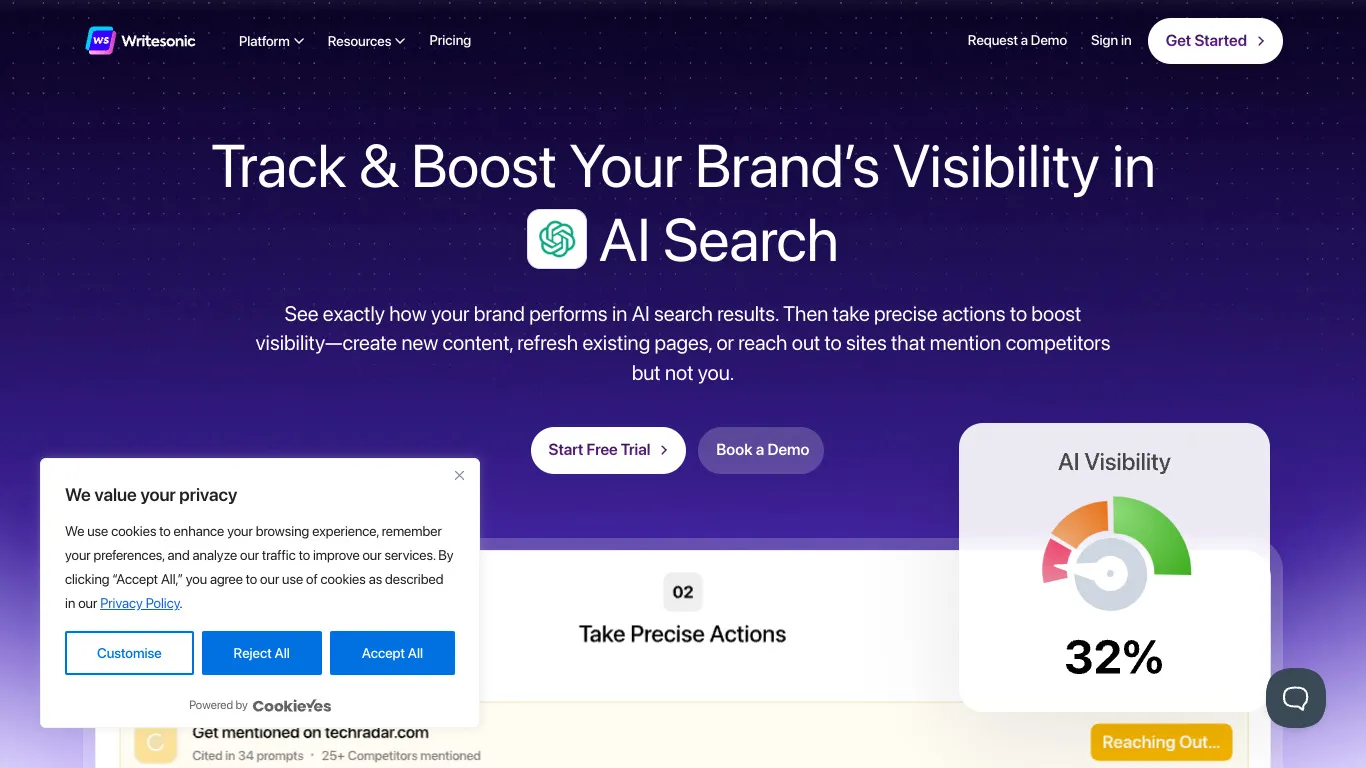
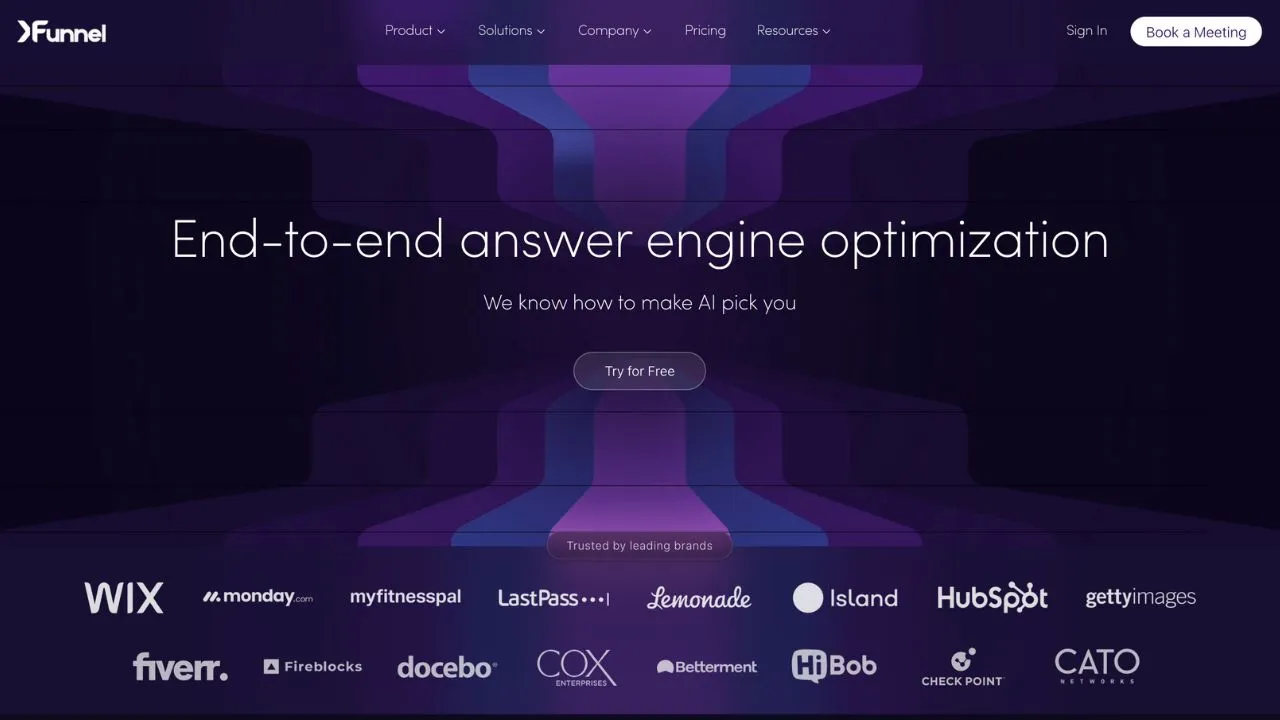
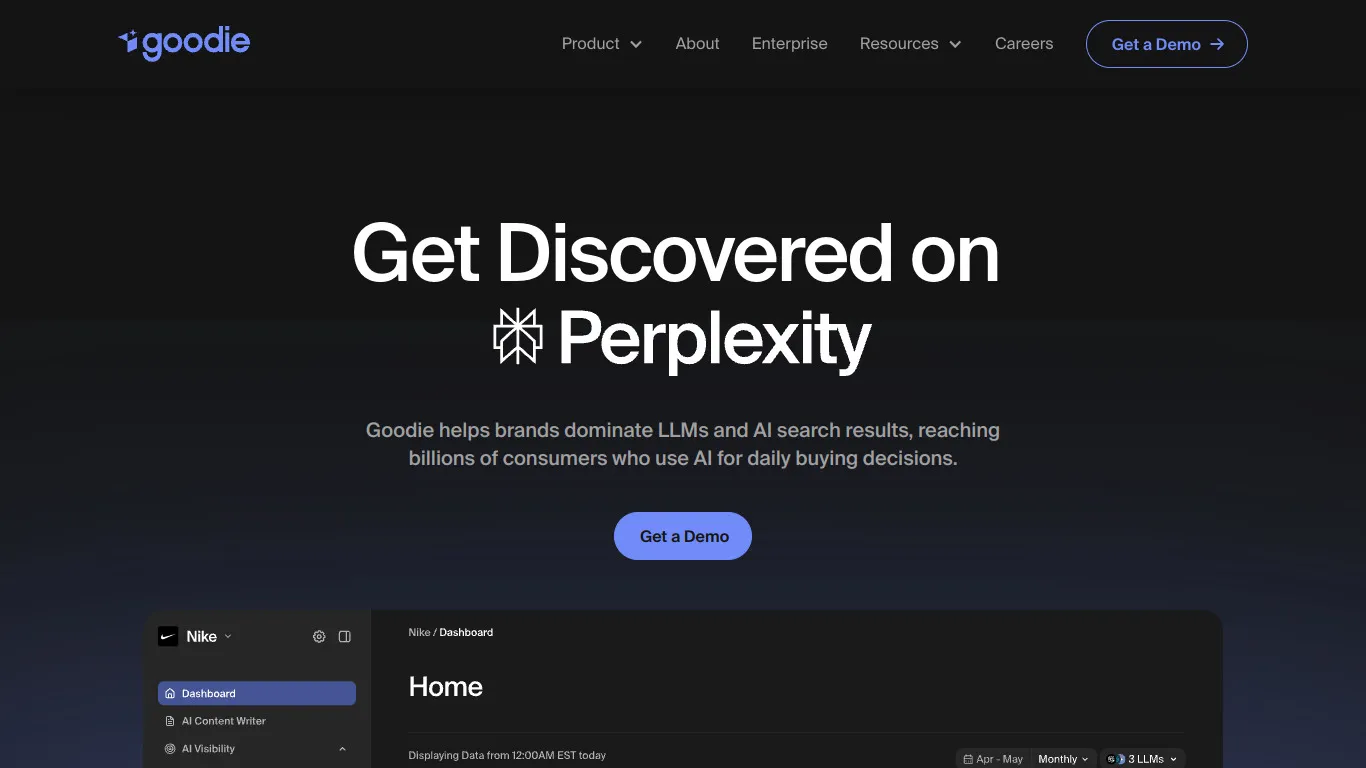
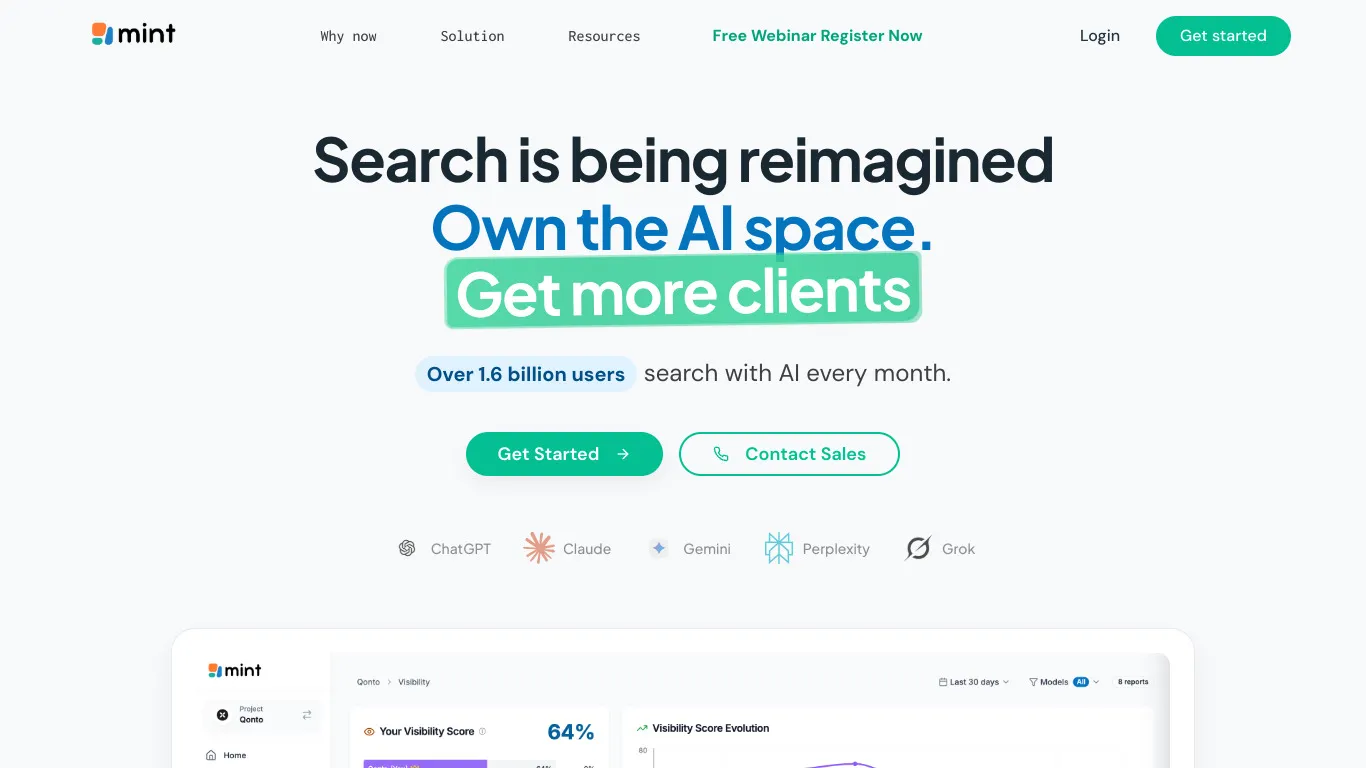
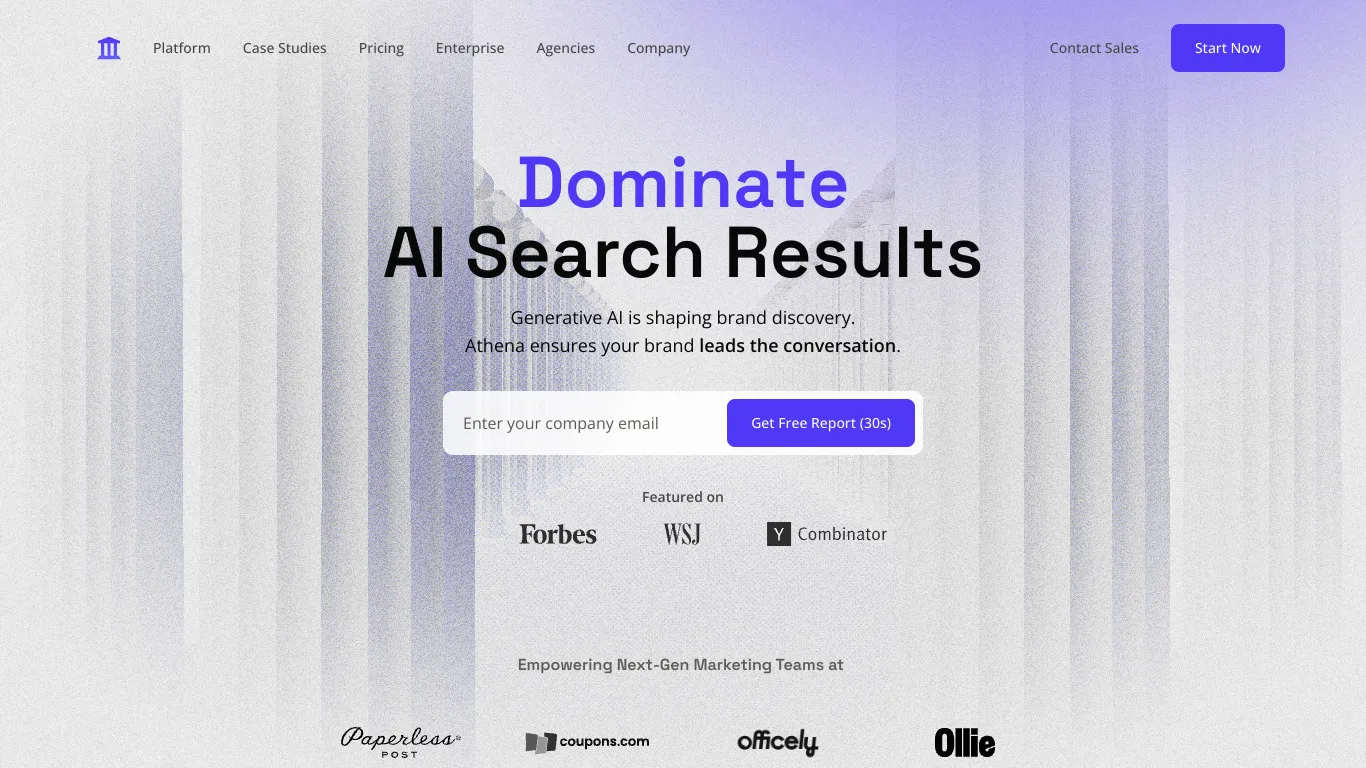
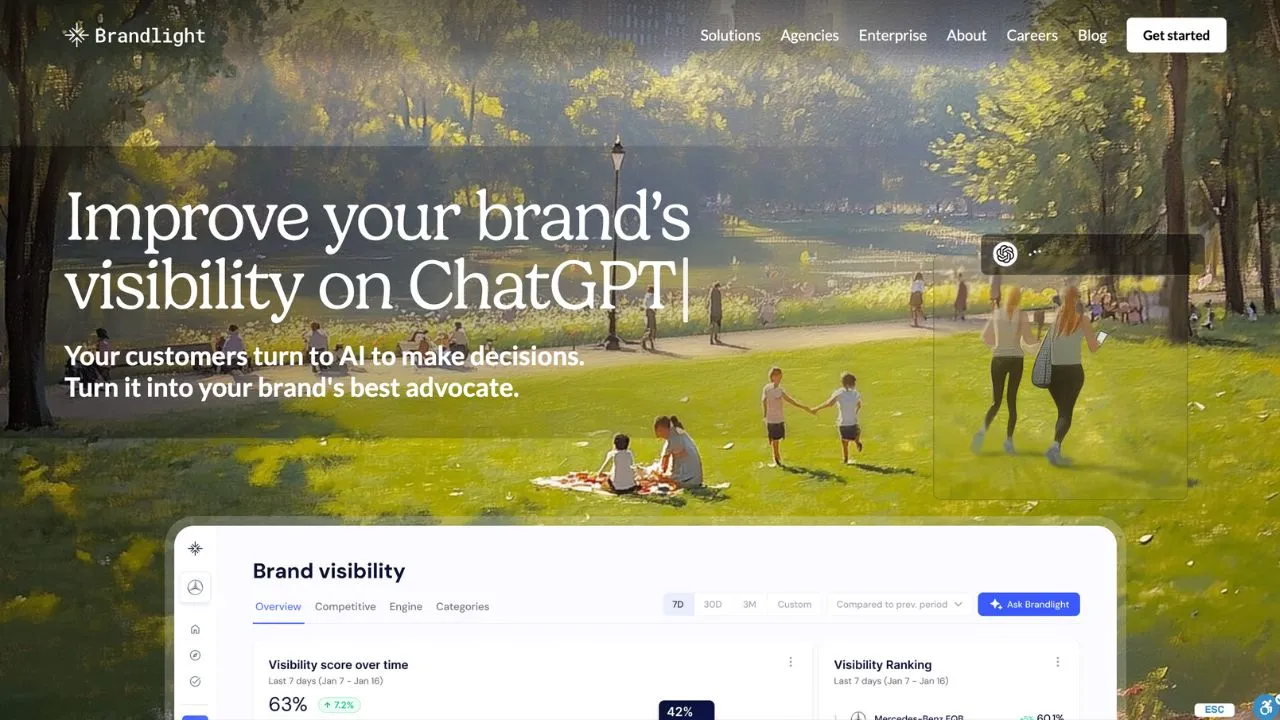
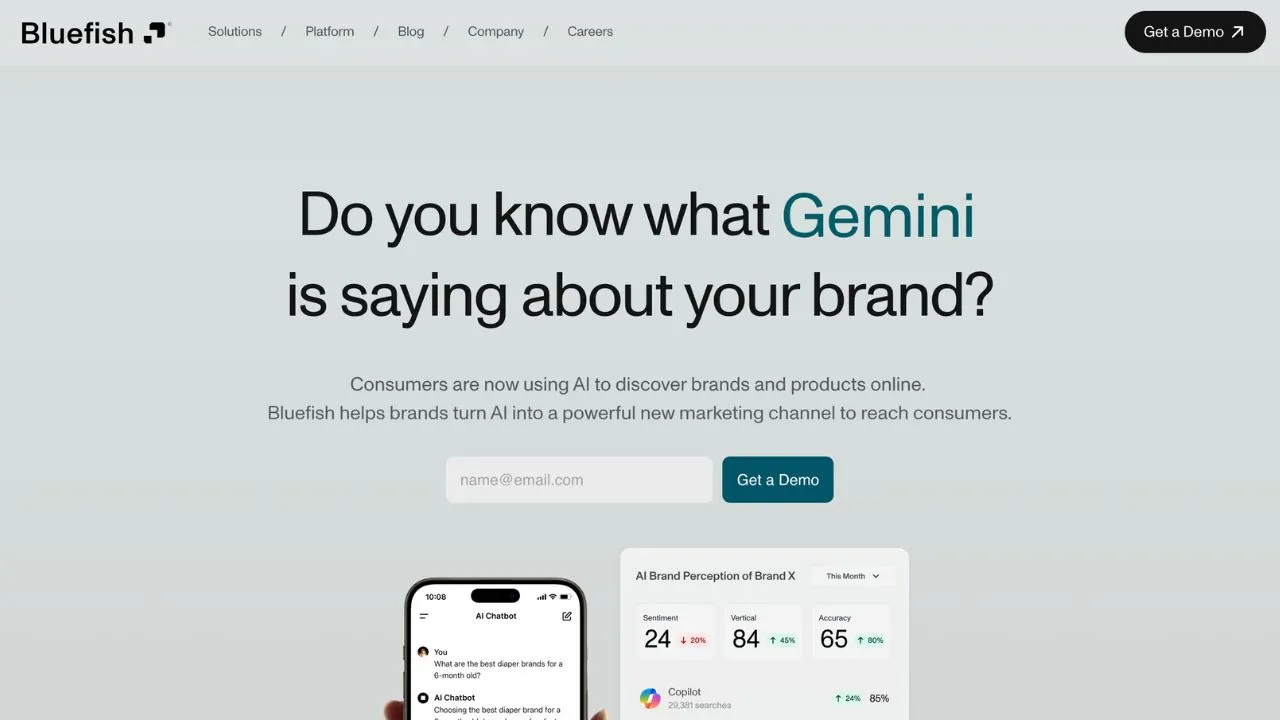
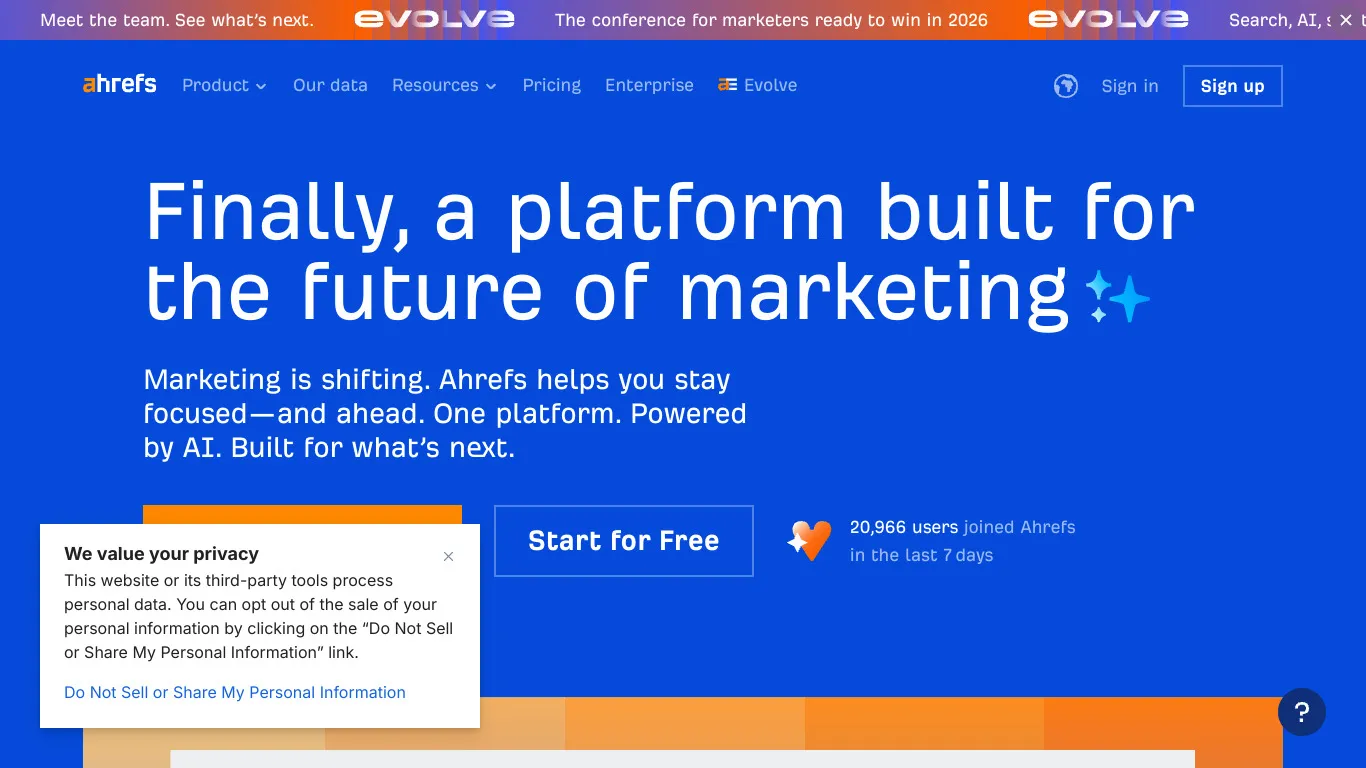
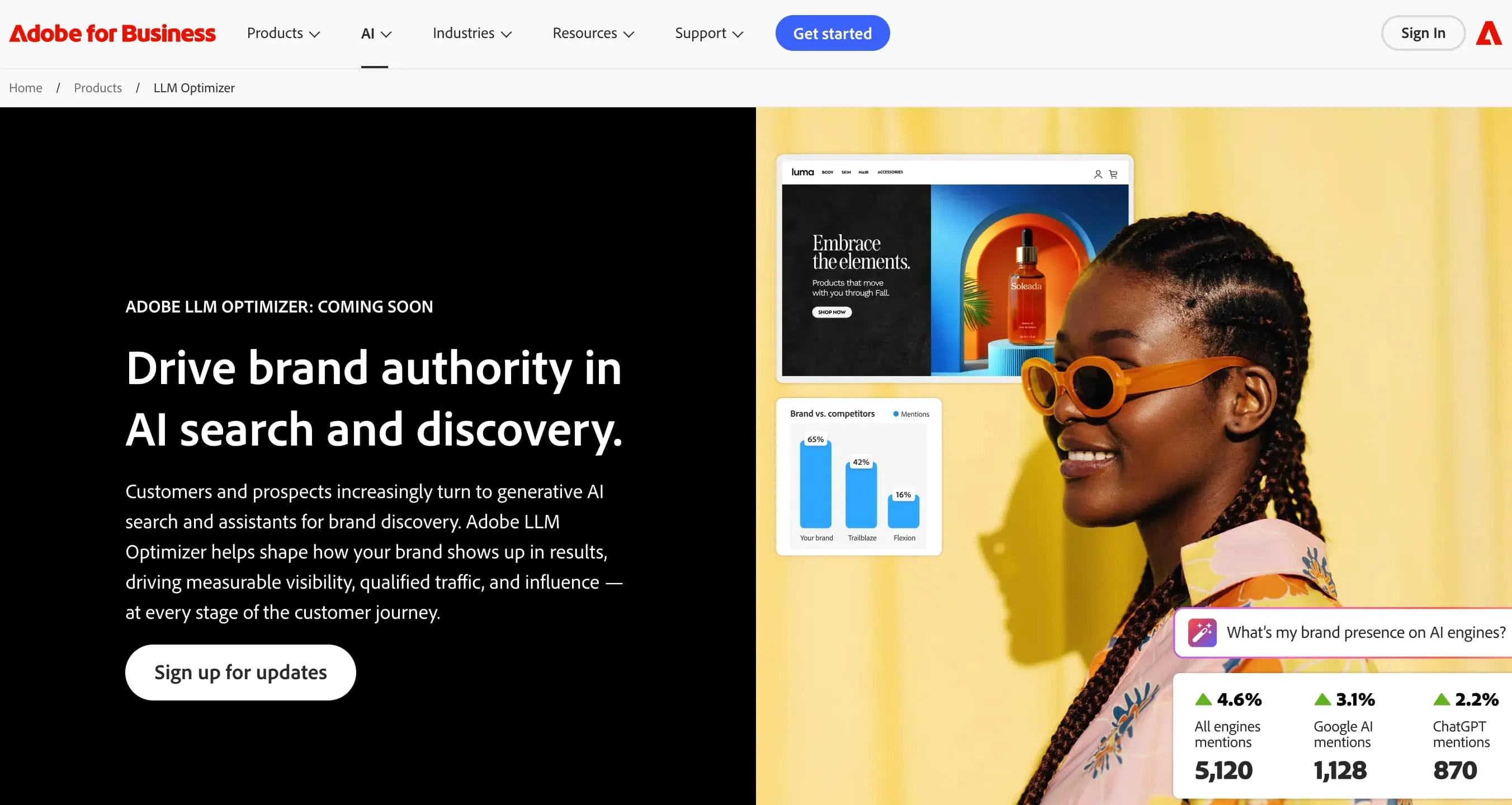
Es gibt noch andere Tools, jedes mit Stärken und Grenzen:
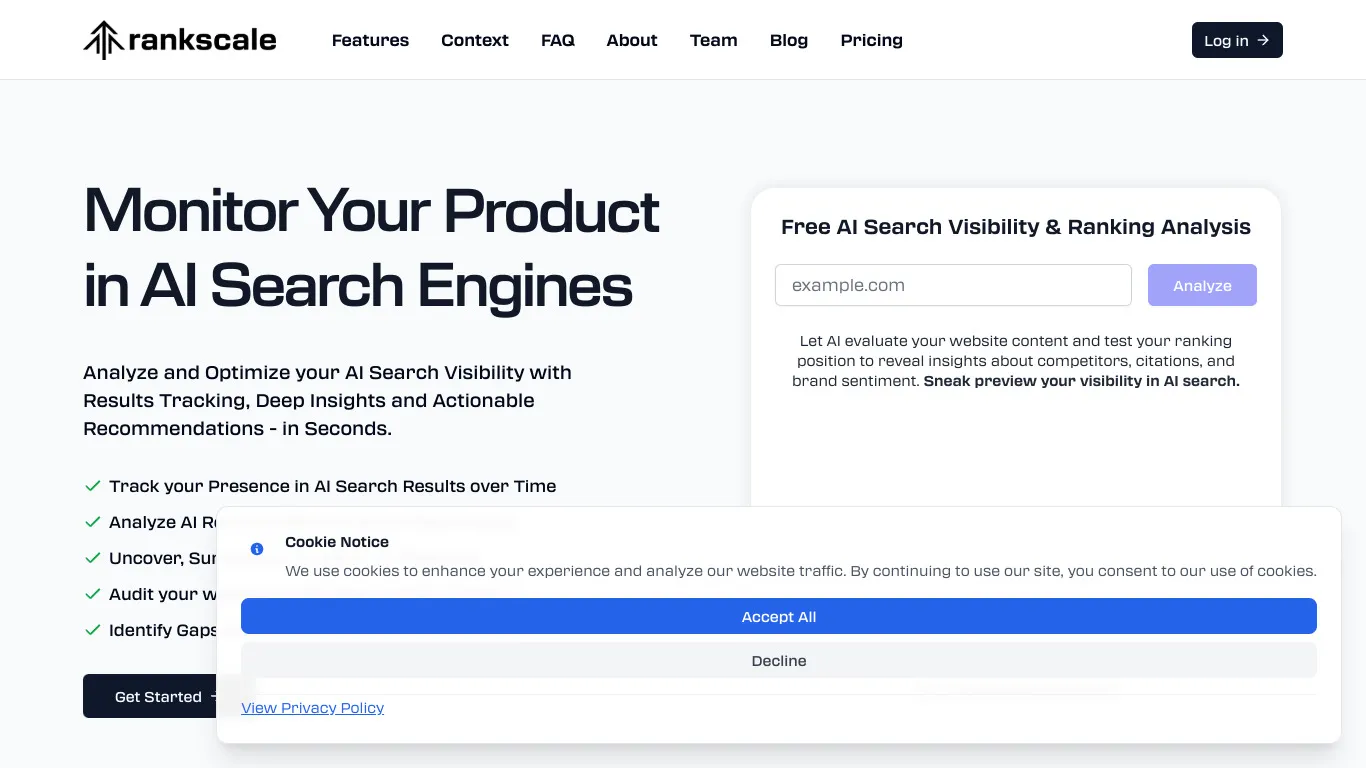
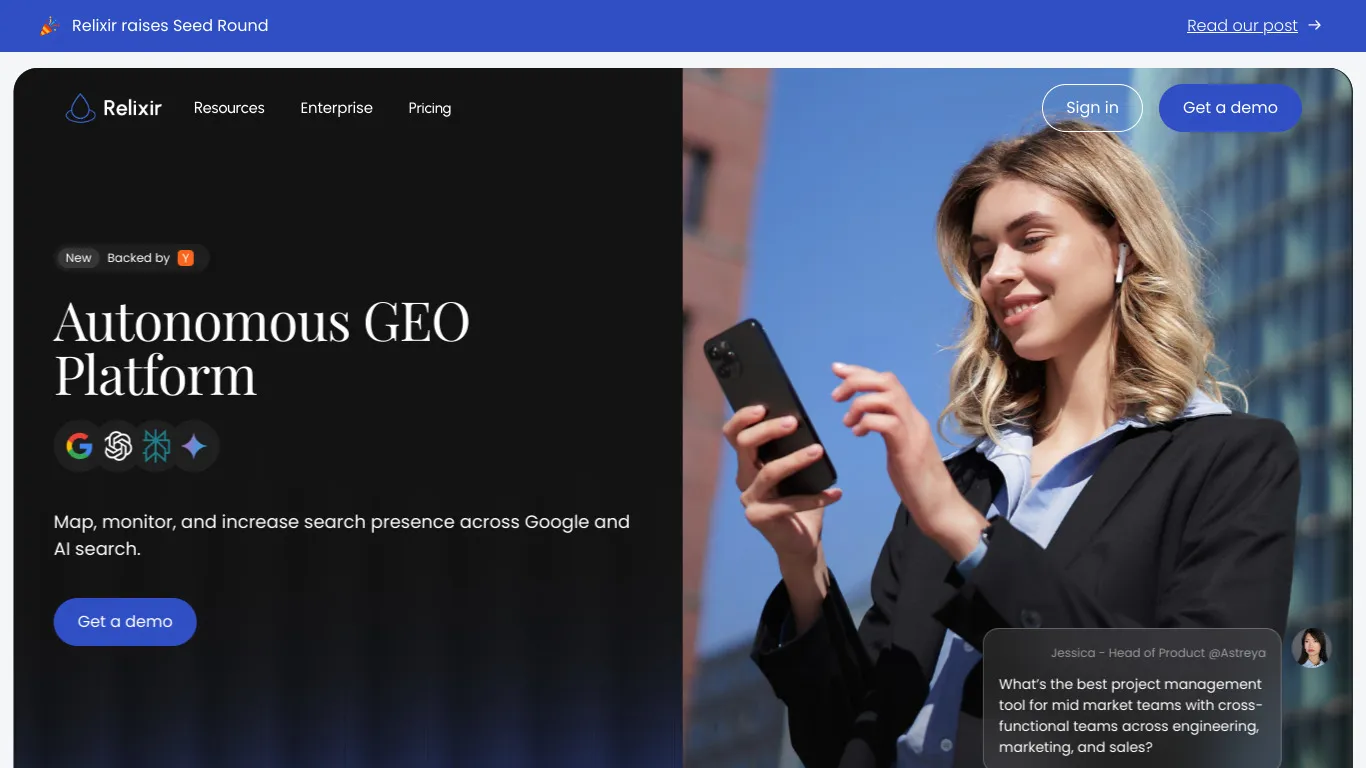
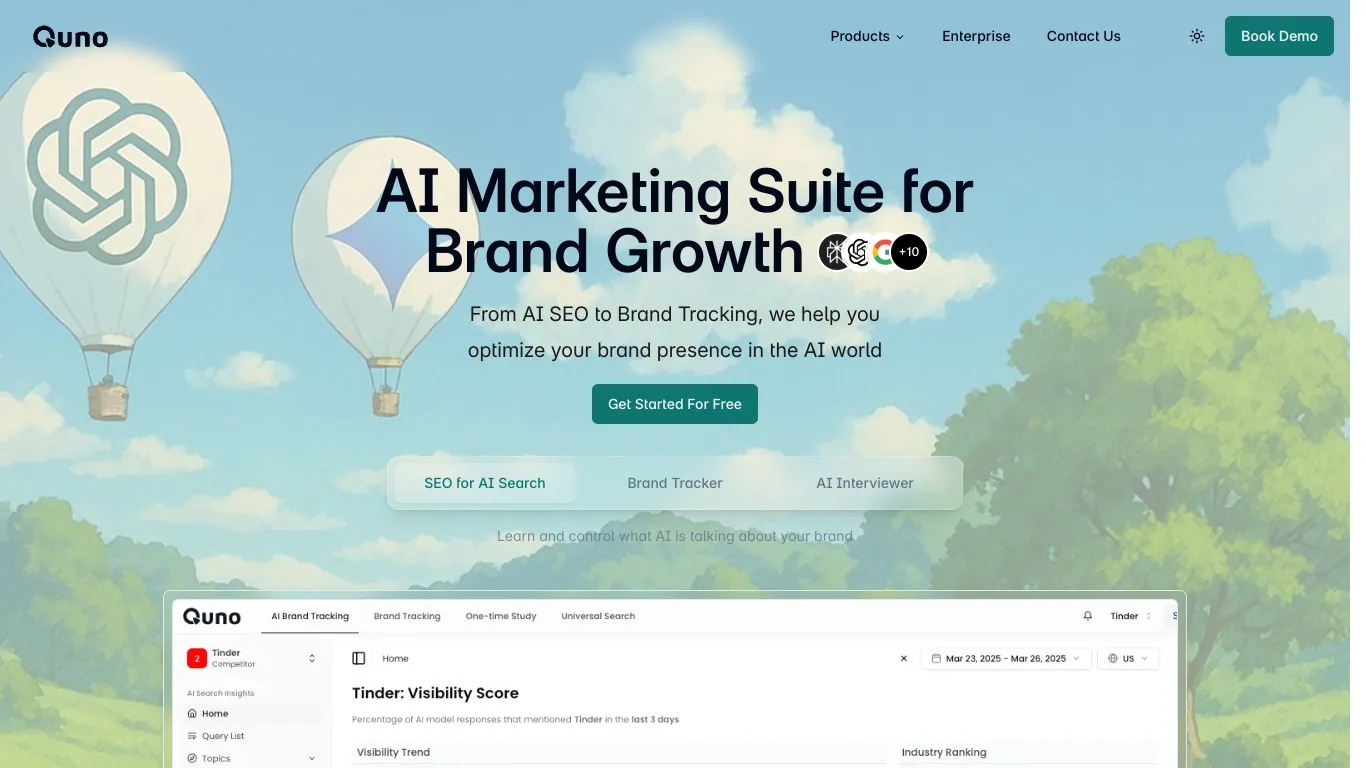
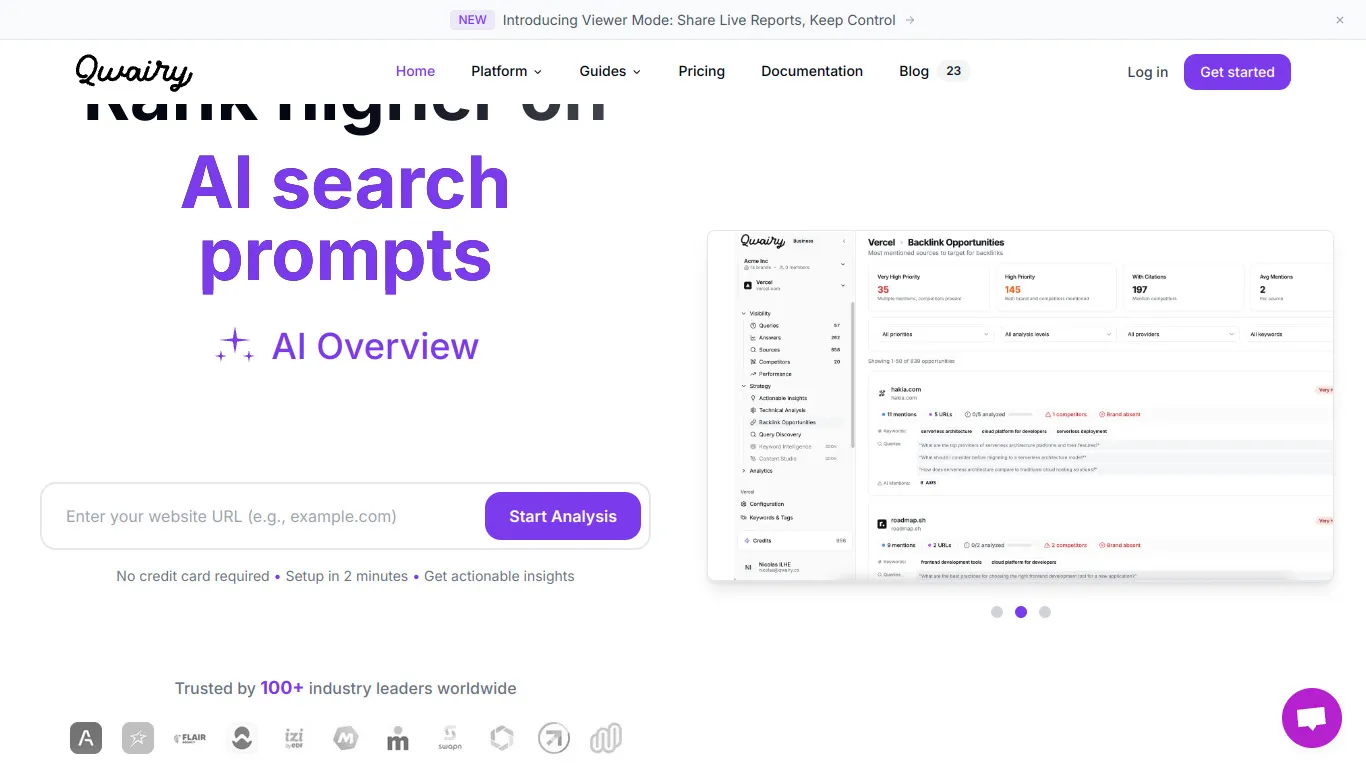
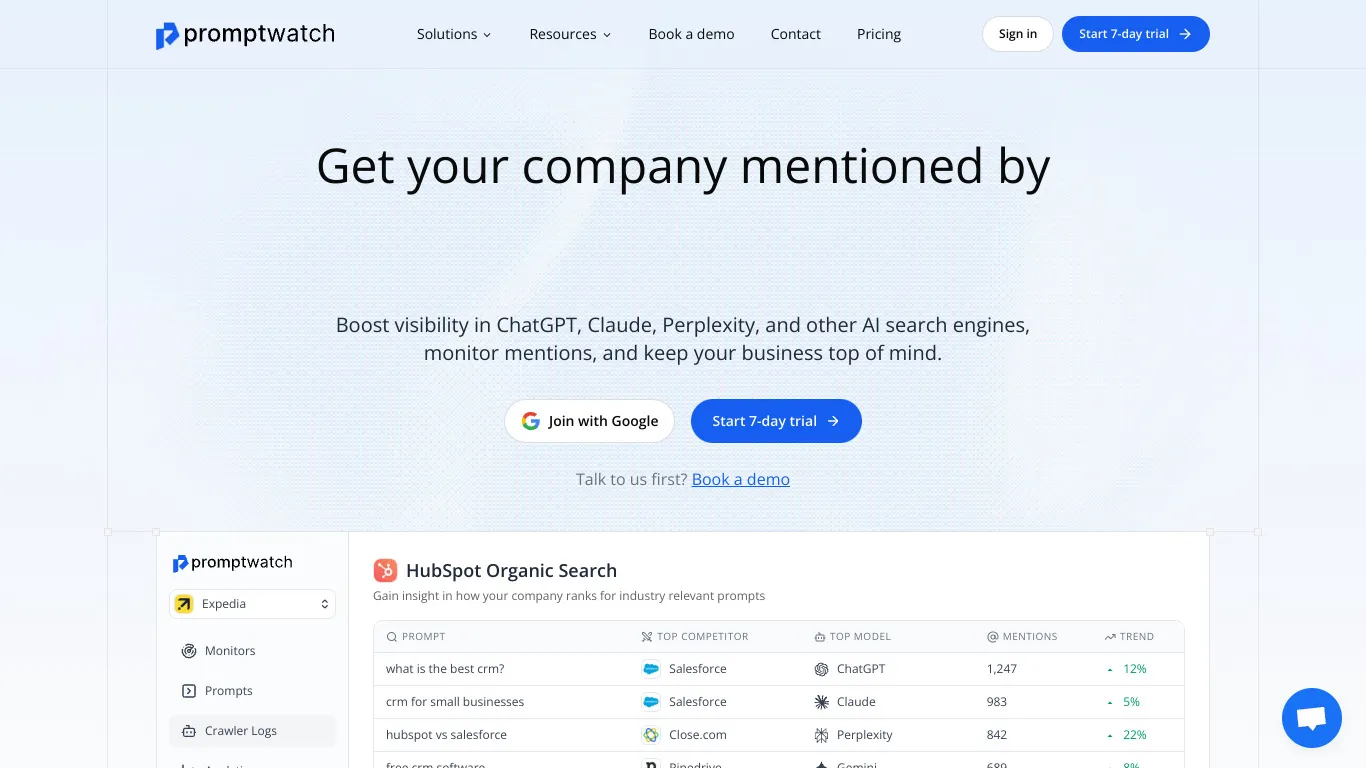
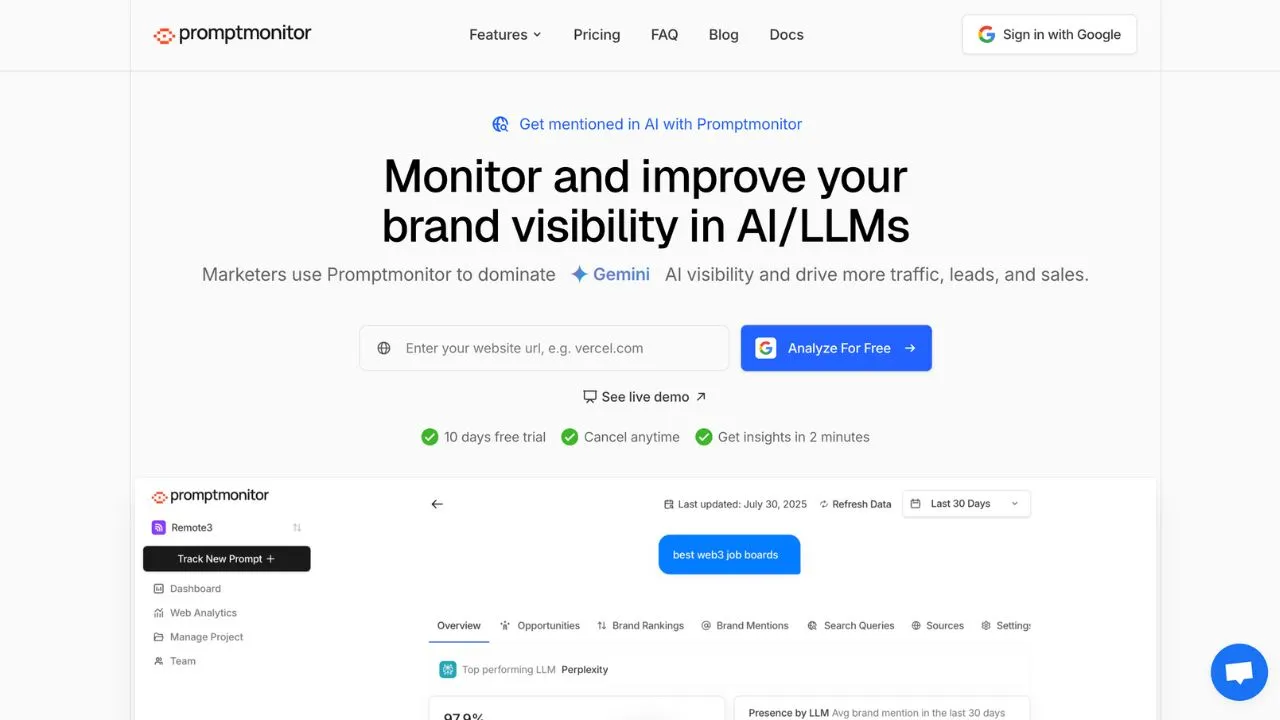
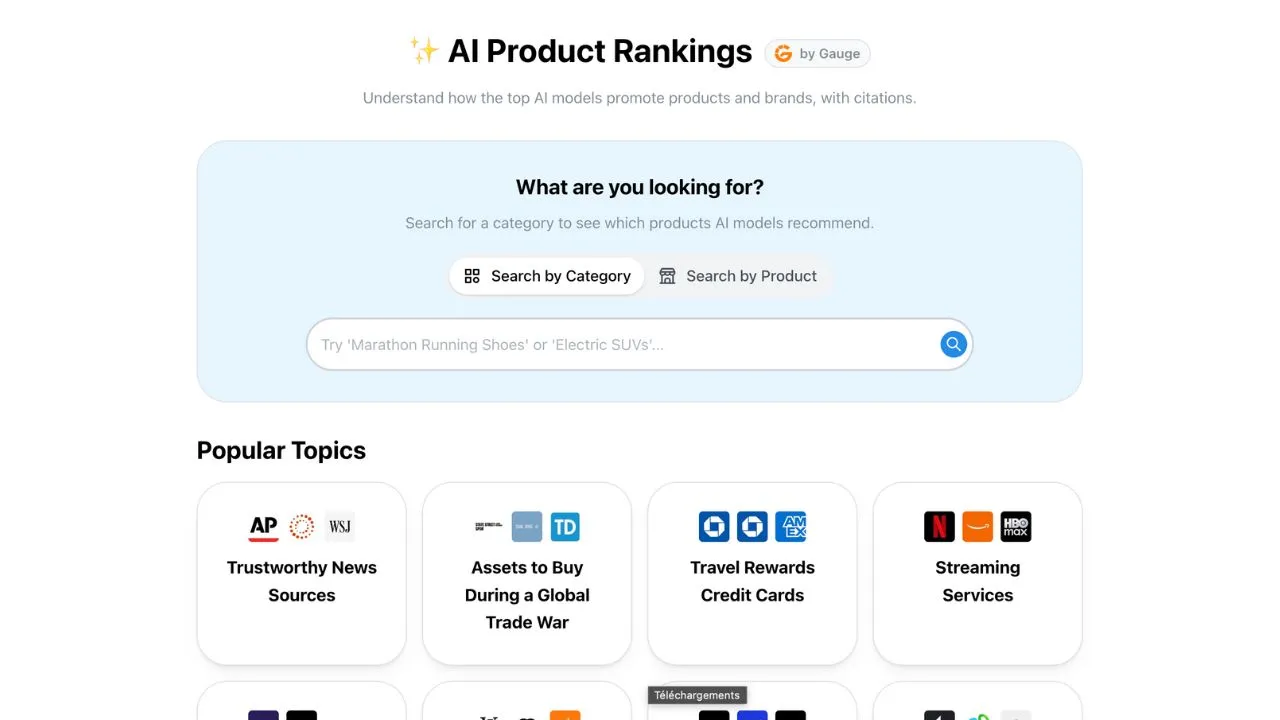
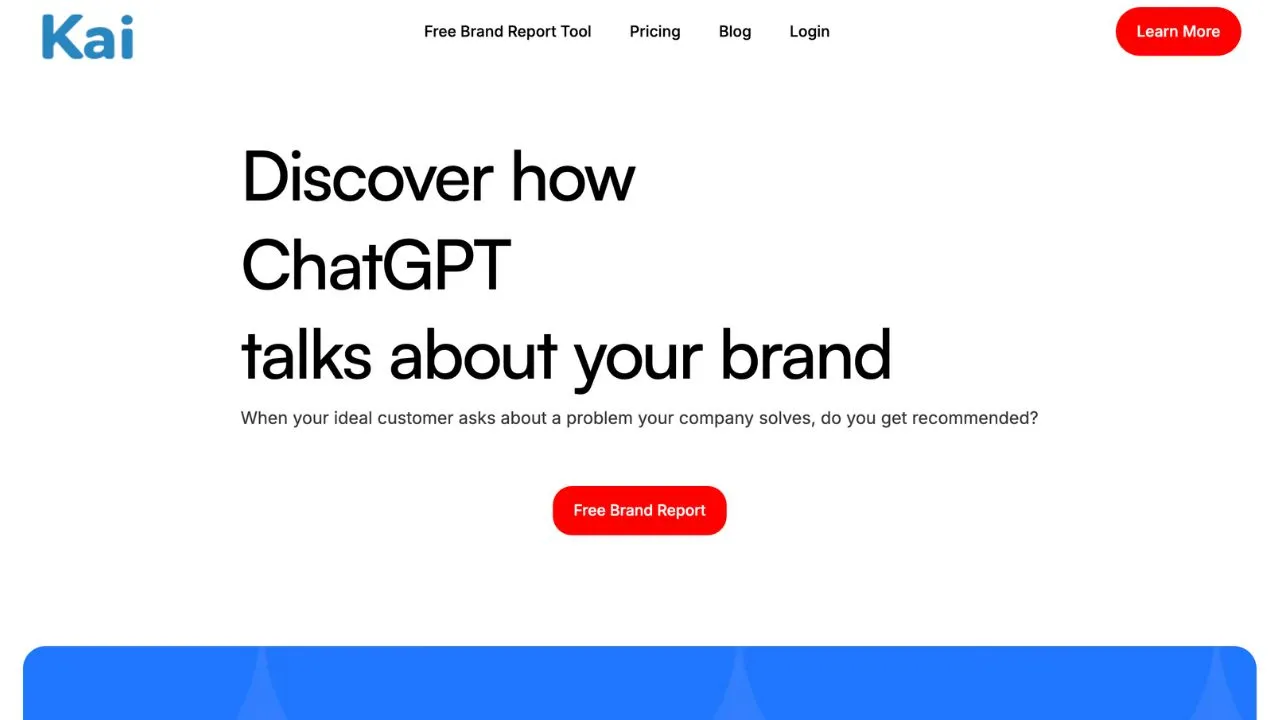
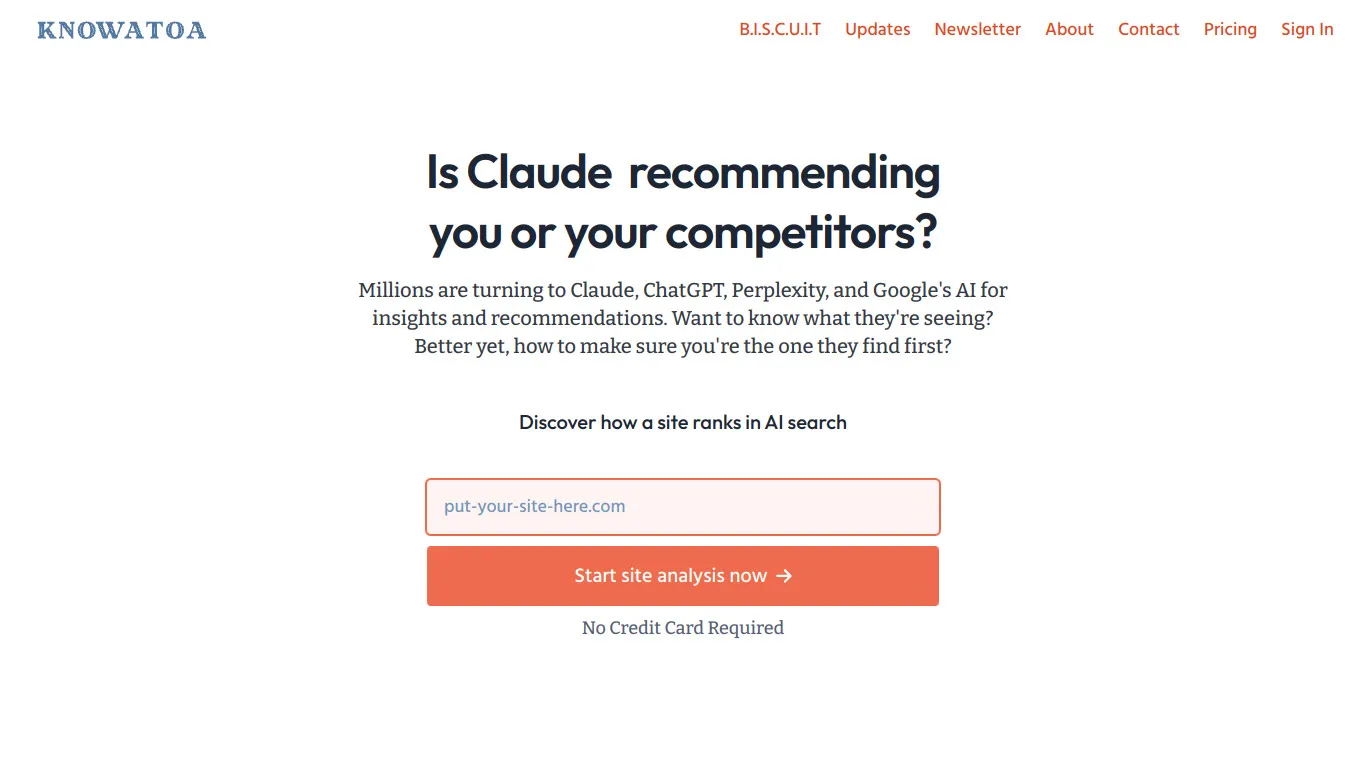
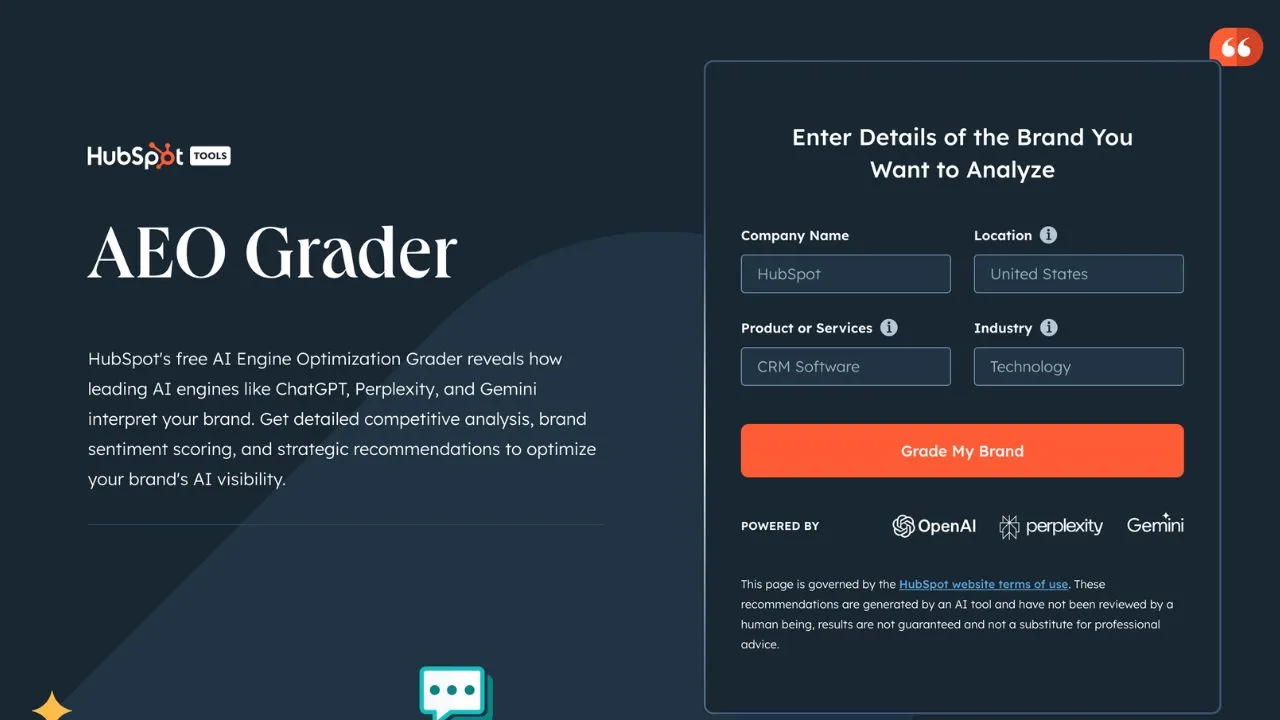
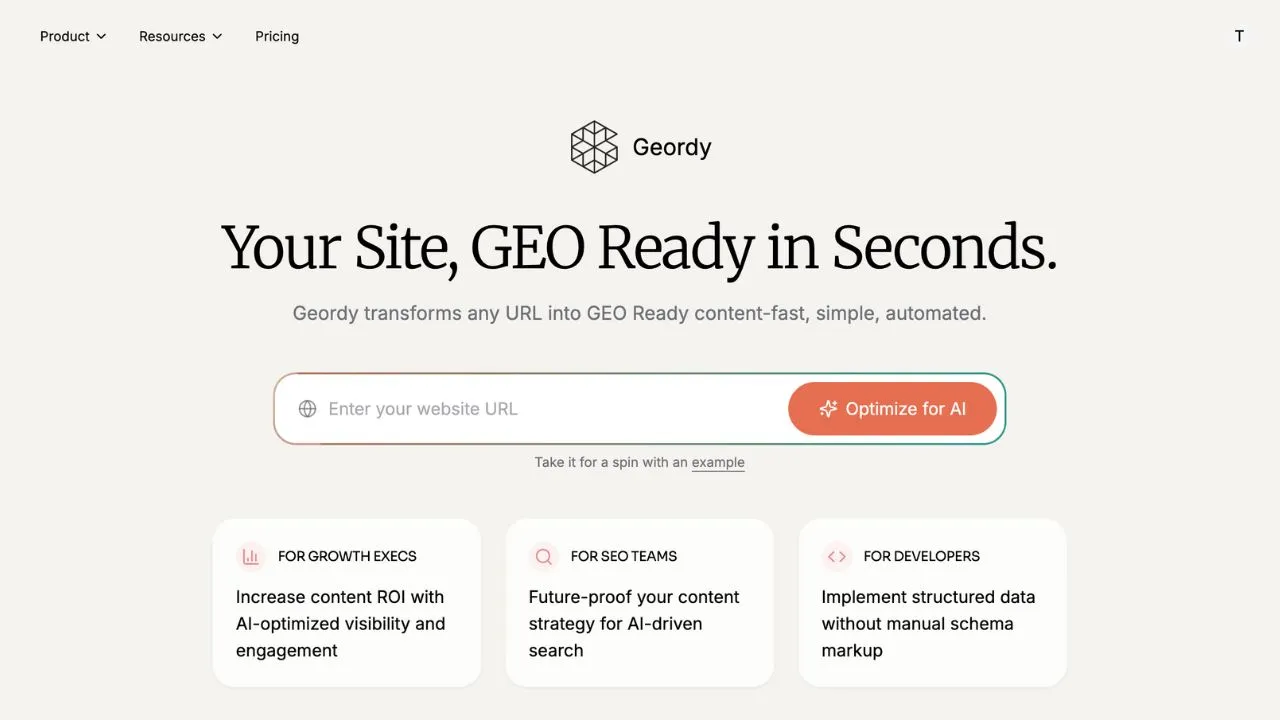
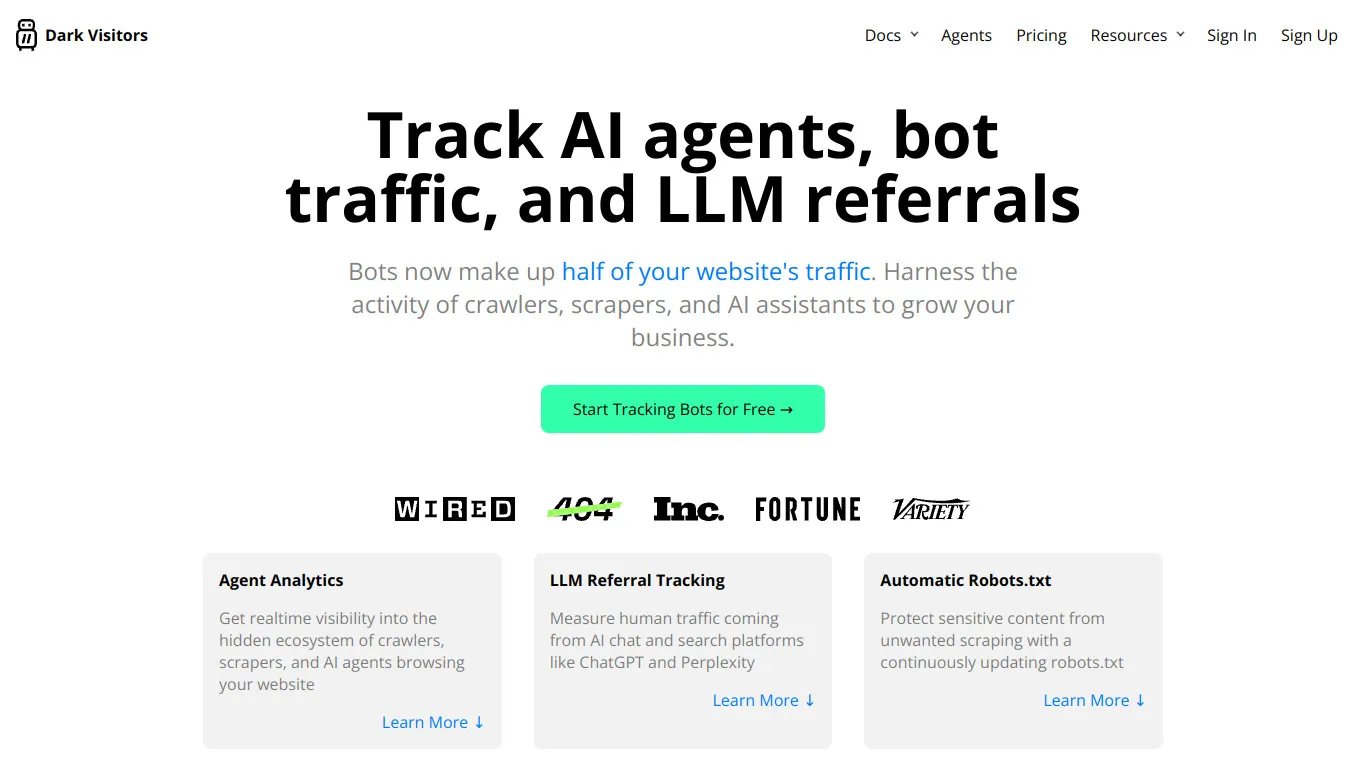
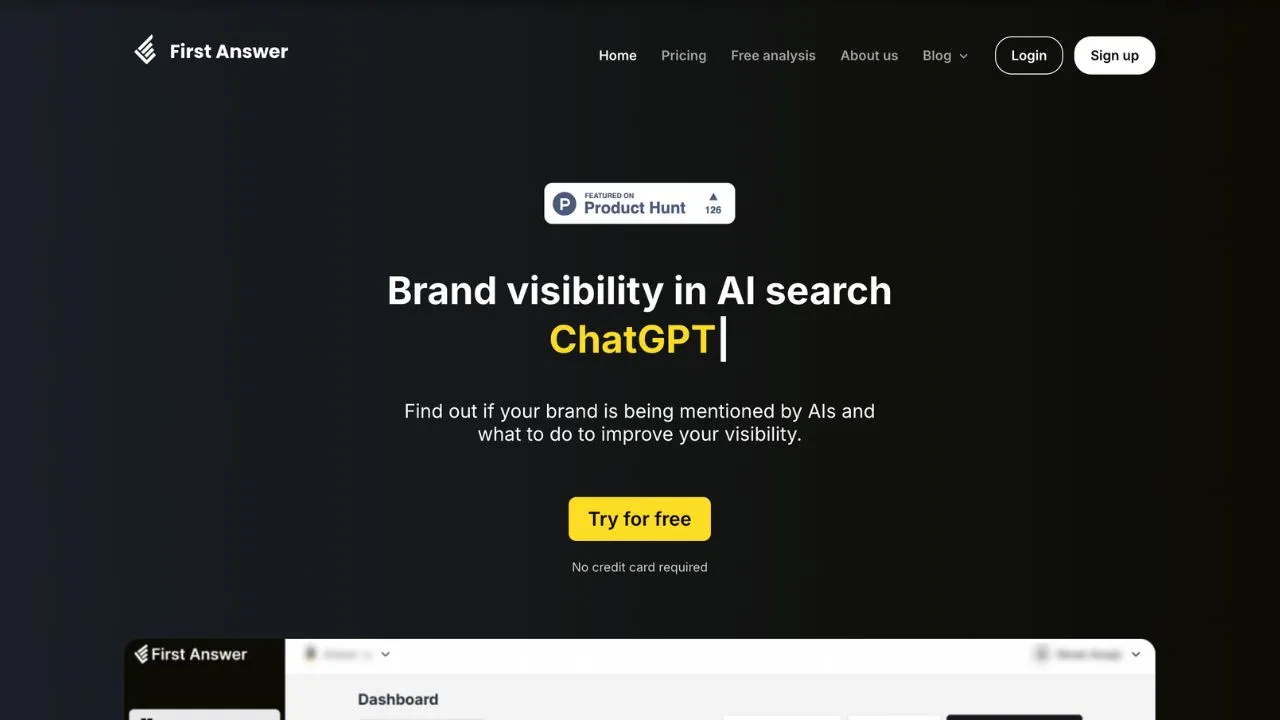
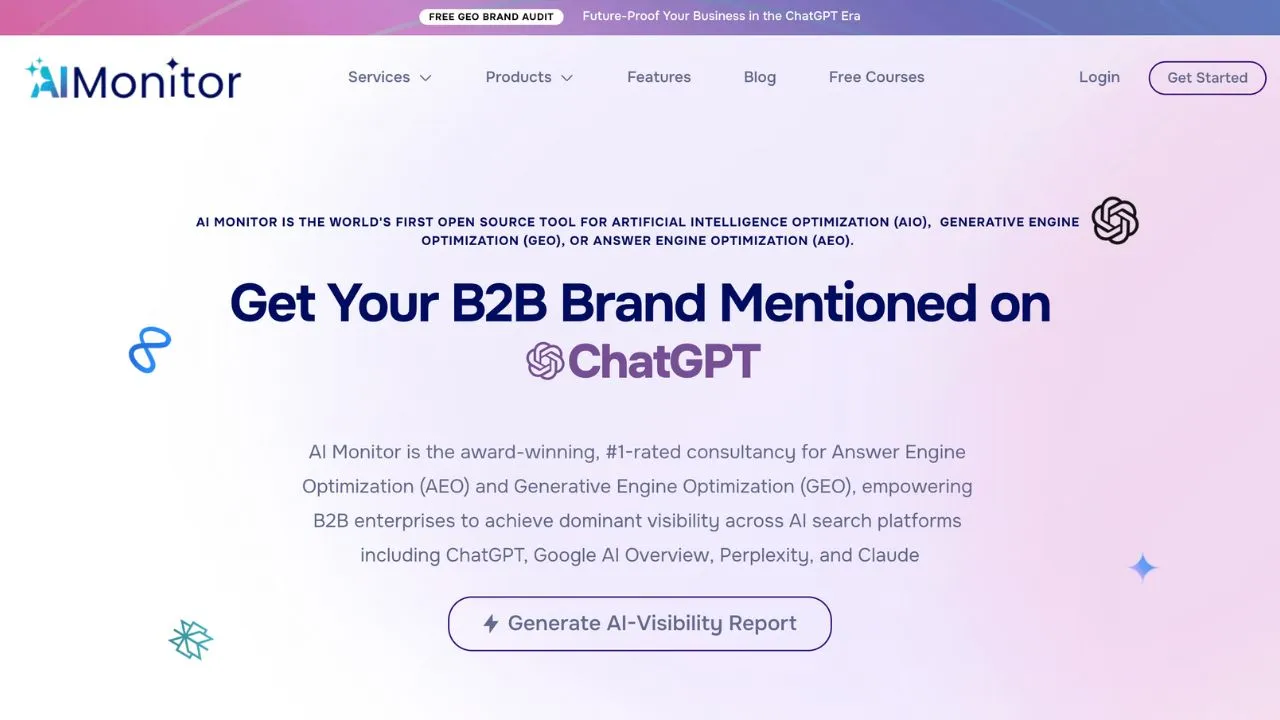
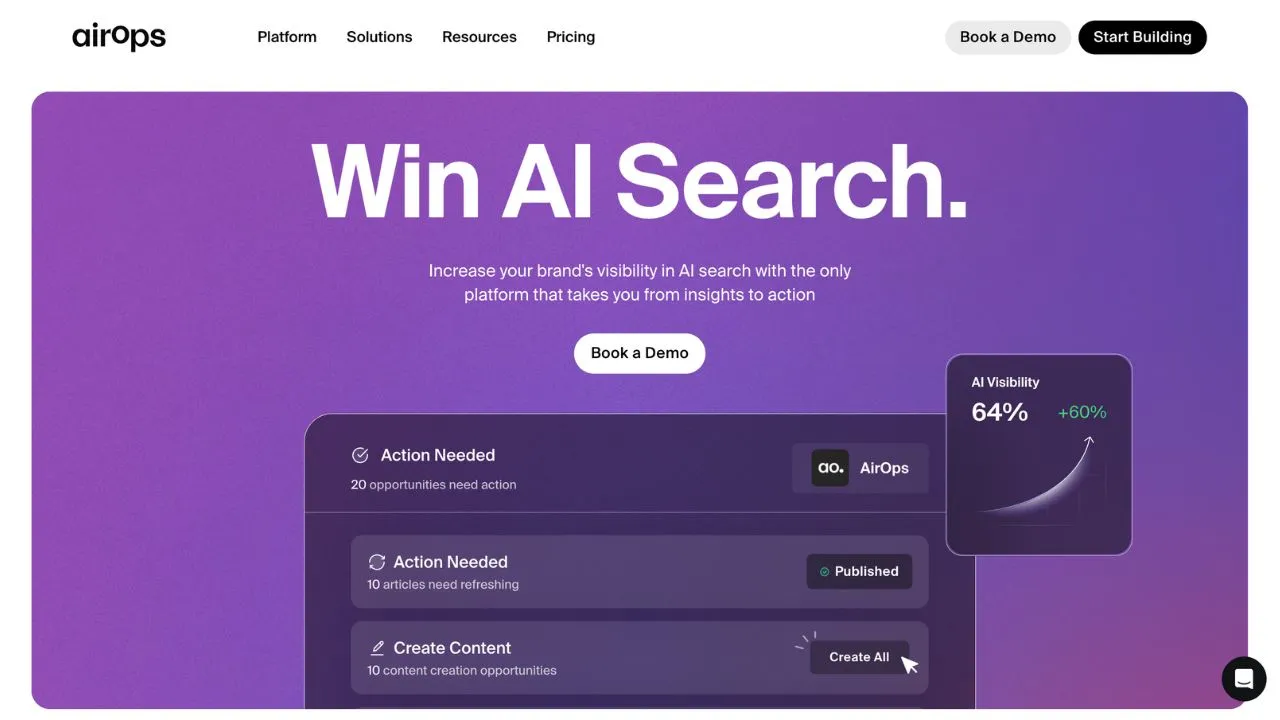
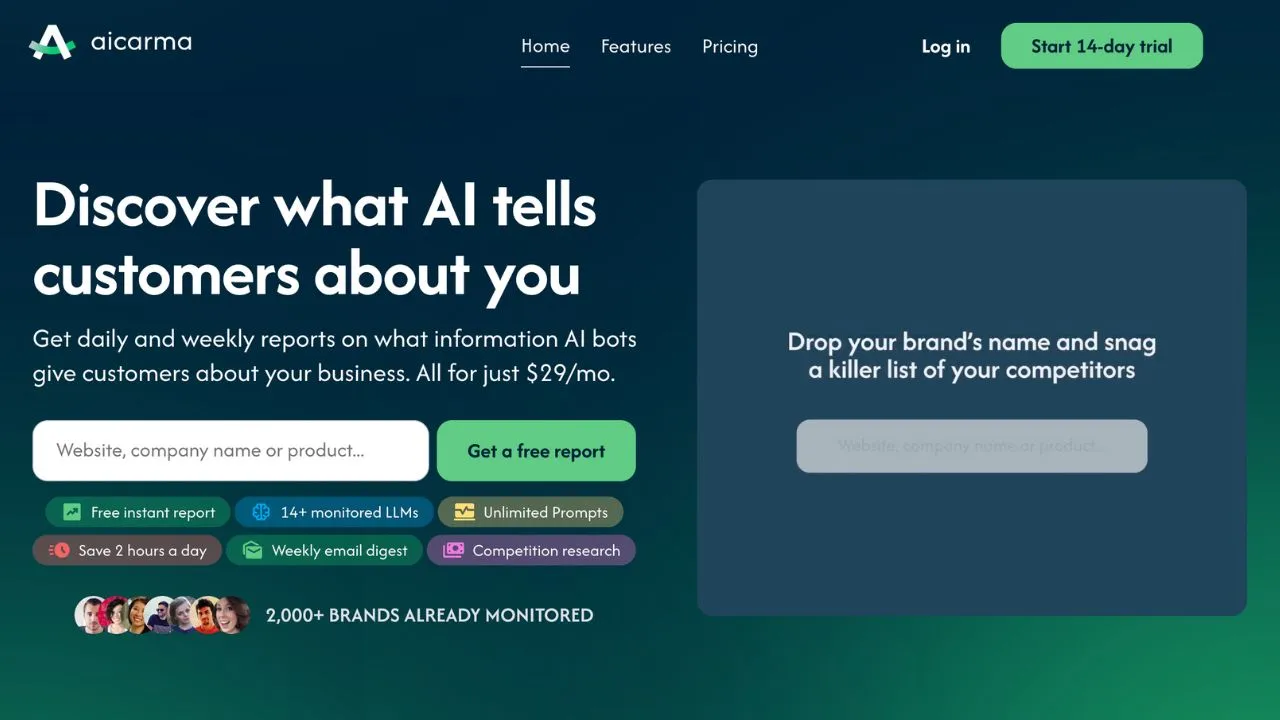
Inzwischen eine Welle von Neuankömmlingen Prompt Uhr, LLM-Referenzen, ProductRank.aiusw. Konzentrieren Sie sich ausschließlich auf KI-Zitate.
Oft mangelt es ihnen jedoch an Ergonomie, Zuverlässigkeit und Integration in die SEO-Tools, die Marketingteams bereits verwenden.
Beim Vergleich dieser Tools geht es nicht nur darum, Funktionen oder Preise aufzulisten.
Es geht darum, sich zu identifizieren welcher Ansatz passt zu Ihrer Strategie.
Der Vergleich von 2025 verdeutlicht auch eine wichtige Erkenntnis: Die Marktreife ist sehr unterschiedlich.
Bei einigen Tools handelt es sich um etablierte SEO-Plattformen, die eine KI-Ebene hinzufügen. Andere wurden speziell für diese neue Herausforderung entwickelt, innovativ, aber es fehlt ihnen an der Tiefe eines ausgereiften Ökosystems.
2025 markiert den Aufstieg der hybriden Suche.
GEO SEO erfordert, dass Unternehmen über ihre Google-Sichtbarkeit nachdenken und ihre KI-Präsenz gleichzeitig.
KI-Tools zum Nachverfolgen von Zitaten sind kein Gadget; sie sind Eckpfeiler der modernen Suchmaschinenoptimierung.
Sie sagen dir, wo du auftauchst, wo nicht und, was entscheidend ist, warum.
Marken, die früh investieren, haben einen entscheidenden Vorteil: Sie optimieren Inhalte für doppelte Sichtbarkeit, stärken ihre wahrgenommene Autorität innerhalb von KI-Systemen und erfassen hochqualifizierten Traffic.
Der Vergleich von KI-Software zur Zitationsverfolgung im Jahr 2025 zeigt einen klaren Trend:
der Markt organisiert sich nach zwei Ansätzen:
Für Unternehmen hängt die richtige Wahl vom Ehrgeiz ab.
Eines ist jedoch sicher: Wenn Sie das KI-Citation-Tracking ignorieren, verpassen Sie enorme Chancen für Traffic und Kunden.
SEO wird nicht mehr ausschließlich in den SERPs von Google gespielt. Es wird auch täglich von Millionen von KI-generierten Konversationen geprägt.
Wenn Sie noch heute einen vollständig integrierten Ansatz ausprobieren möchten, können Sie ein kostenloses Audit mit starten Sorank und entdecken Sie, wie Ihre Website nicht nur von Google, sondern auch von ChatGPT, Claude, Perplexity, Gemini und Grok wahrgenommen wird.



















.svg)
.svg)